
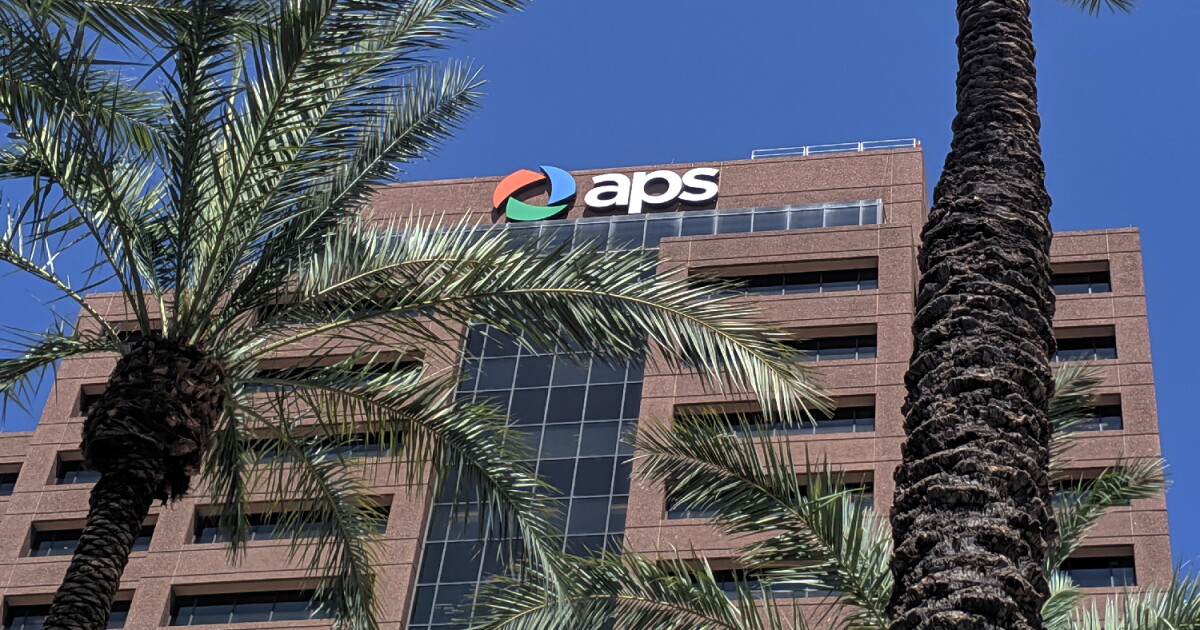
Arizona utility customers may have unknowingly been footing part of the bill for the state’s booming data center industry — and now the state’s top law enforcement officer wants answers. The Arizona Attorney General is calling on utility regulators to dig into whether Arizona Public Service has been passing large industrial customers’ energy costs onto everyday ratepayers.
Attorney General Kris Mayes sent a formal letter to the Arizona Corporation Commission on October 9, urging members to investigate claims that Arizona Public Service (APS) shifted hundreds of millions of dollars in costs — costs tied to serving large industrial clients like data centers — onto the broader pool of ratepayers. Mayes warned that a failure to act would damage the credibility of both the commission and the utility itself.
The allegations stem from an independent analysis by data analyst Abhay Padgaonkar. According to his findings, roughly 100 data centers and other large industrial customers have been responsible for nearly all of the surge in electricity demand on APS’s system in recent years. To meet that demand, Padgaonkar says APS has been purchasing additional power from outside suppliers — and then spreading those costs across its entire customer base, including residential and small-business customers.
An analysis he sent to the commission on Oct. 2 estimates that large industrial users may have underpaid by as much as $600 million for their energy over that period, with the difference quietly absorbed by everyone else on the APS system.
AG Demands APS Prove the Analysis Wrong
In her October 9 letter to the commission, Mayes cited Padgaonkar’s work and pushed regulators to take a harder look at APS’s position that growth is paying for growth. She argued the utility should not simply be allowed to dispute the analysis without backing it up with data.
“If that is the case, APS should show how the Commission and its ratepayers, using the underlying records and calculations, why Mr. Padgaonkar is incorrect.”
APS responded to Padgaonkar’s analysis and 12News reporting on it with a post on X, pushing back on what it called inaccurate claims.
The utility wrote:
“With misleading claims circulating about whether data center growth is affecting energy bills, we know our customers want clear, accurate information. The simple fact is: APS is ensuring that residential and small-business customers are not paying for data center power usage.”
Commission Responds — But Says Its Hands Are Tied
Late on October 9, a spokesperson for the Arizona Corporation Commission issued a statement pushing back on Padgaonkar’s conclusions. The spokesperson also noted that Padgaonkar had the opportunity to formally participate in APS’s ongoing rate case as an intervenor but chose not to.
“The author, Mr. Abhay Padgoankar, as APS customer has the opportunity to intervene in the APS rate cases and participate in the creation of a thorough evidentiary record. He did not choose to participate in the current APS rate case as an intervenor,”
the commission spokesperson said.
The spokesperson added that APS’s expenditures and power purchases are currently being audited by commission staff along with 23 other intervenors involved in the current rate case. Because the rate case is still active, commissioners are not permitted to comment on evidence that is part of the ongoing record.
The broader debate over who pays for energy infrastructure tied to Arizona’s fast-growing tech sector is playing out against the backdrop of the state’s political landscape and ongoing utility policy debates. Related coverage from reporters tracking the issue has shed additional light on the tension between the state’s economic development goals and the question of fairness for everyday utility customers.
Other utility-related stories gaining attention in Arizona include Mayes asking an appeals court to intervene in a separate utility rate dispute involving Robson Ranch, and Phoenix announcing it will resume shutting off water for residents with seriously delinquent accounts. Meanwhile, a new report examines how carbon-intensive electricity generation varies widely across Mountain West states.










Comments are closed.