
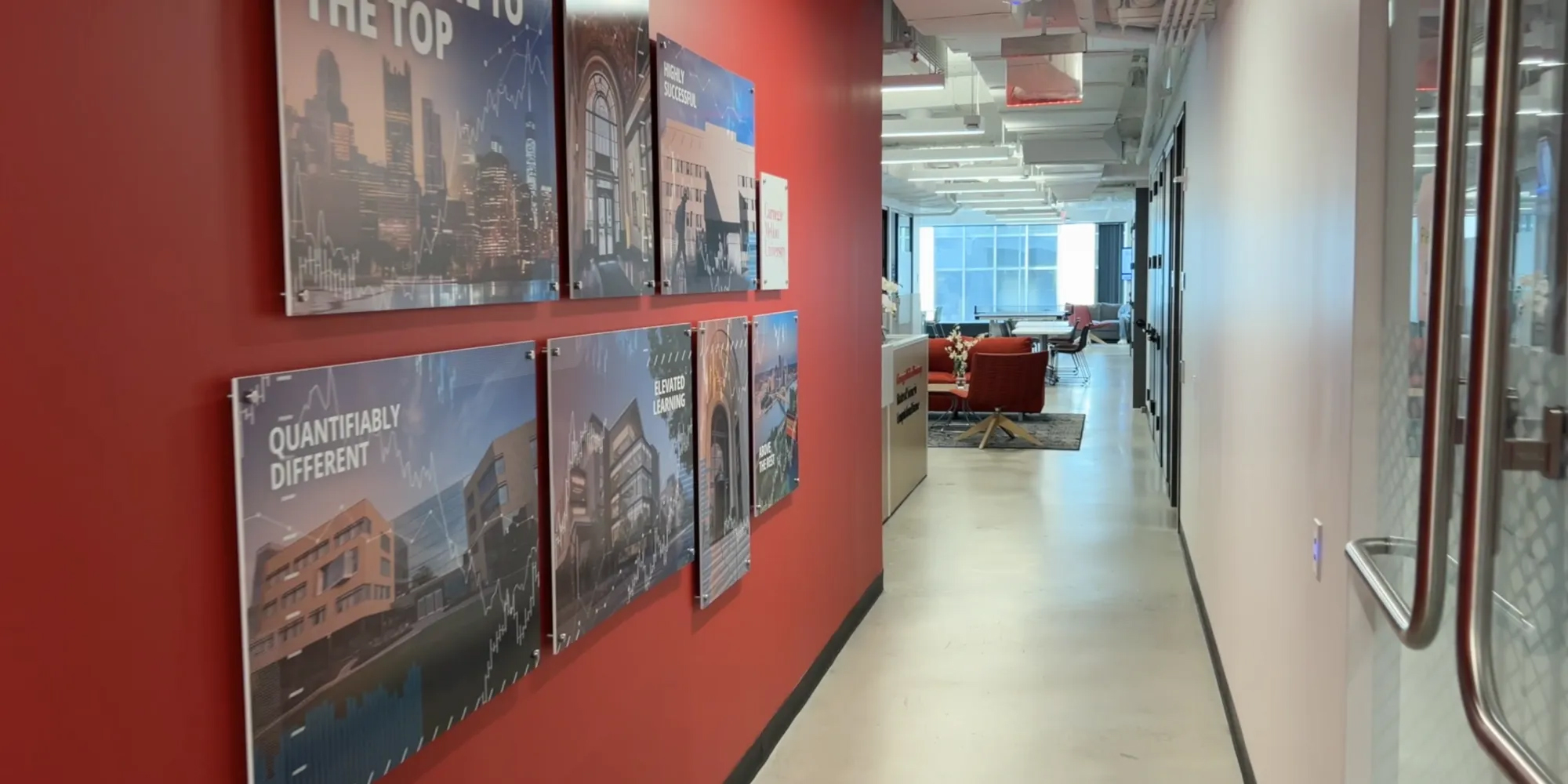
The Launch of the Commodities Quant Lab: A New Era in Quantitative Finance at Carnegie Mellon University
In a move to further solidify its position as a leader in the field of quantitative finance, Carnegie Mellon University has established the Commodities Quant Lab (CQL). This initiative aims to harness the power of data, mathematics, and artificial intelligence to tackle the complex challenges facing global commodity markets such as oil, natural gas, copper, wheat, and coffee.
According to Ilia Bouchouev, director of the CQL, “Commodity markets sit at the intersection of economics, mathematics, technology and global supply chains.” Bouchouev brings over two decades of expertise in global derivatives trading and risk management, and he is also known for his contributions to quantitative energy trading.
The Commodities Quant Lab is a collaborative effort between Carnegie Mellon’s Master of Science in Computational Finance (MSCF) program and the Department of Mathematical Sciences. It will unite faculty, students, and industry experts to focus on issues related to commodity derivatives trading, market structure, and risk management through cutting-edge quantitative methods.
Since its inception in 1994, the MSCF program has been a cornerstone in computational finance education, producing a wealth of quantitative talent for various sectors. The CQL will extend this legacy by serving as a hub for applied research and facilitating engagement between academia and industry through seminars, forums, and initiatives.
Robert Simon, executive director of the MSCF program, describes the lab as “a unique hub for applied research, practitioner forums and industry-sponsored initiatives.” He emphasizes the lab’s potential for interdisciplinary collaboration and the formation of new industry partnerships.
Corporate sponsors and industry leaders will play a crucial role in shaping the lab’s research directions. By proposing themes and supporting initiatives, they will engage directly with both students and faculty. Additionally, the CQL will foster collaborations with other universities and the wider commodities community, enhancing its educational and research activities.
Read More Here





Comments are closed.