
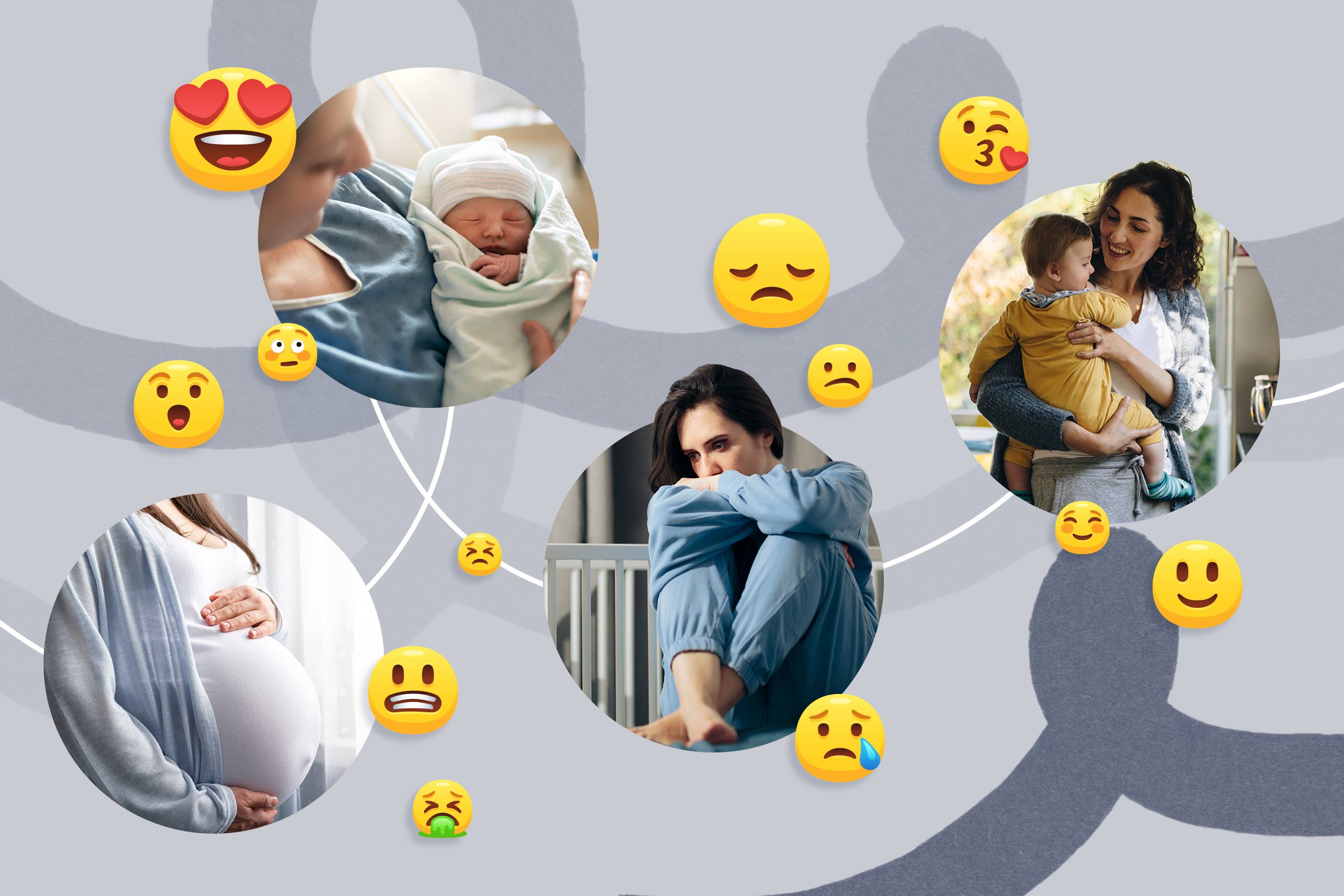
Understanding Postpartum Depression: A Common Yet Underdiagnosed Condition
After becoming a mother for the first time, actress and “High School Musical” star Ashley Tisdale shared her unexpected struggle with postpartum depression, describing it as feeling “robbed of the joy I’d been hoping to experience.”
Postpartum depression, often referred to as “the baby blues,” is recognized as the most prevalent complication following childbirth. According to specialists in postpartum psychiatry, this condition affects approximately 15% of new mothers. Moreover, women with a prior mental health diagnosis face an increased risk, with nearly half likely to experience postpartum depression if they choose to have a child.
Despite its commonality, only 40% of affected women receive appropriate treatment, reports the American Medical Women’s Association. Symptoms can range from insomnia to difficulties bonding with the newborn and can persist without intervention, potentially leading to adverse effects on a child’s development across behavioral, cognitive, and emotional areas.
Dr. Jennifer Payne, a reproductive psychiatrist and professor at the University of Virginia’s School of Medicine, states, “The cause is likely this marriage between biological vulnerability and environmental stressors that leads to postpartum depression.” Her research indicates that hormonal sensitivity, particularly during periods of hormonal change such as menstruation, may predispose women to postpartum depression. During pregnancy, levels of progesterone and estrogen increase significantly, only to dramatically decrease after childbirth, which can trigger depressive episodes.
Other risk factors include a family history of postpartum depression and non-compliance with psychiatric medication. Additionally, psychosocial elements—such as financial constraints, past trauma, and lack of support—play crucial roles in a new mother’s mental health.
Dr. Payne elaborates on the distinction between postpartum depression and major depression, noting the complexity involved. “Clinically, a major depressive episode might not be that different from a postpartum depressive episode, besides having this one specific biological trigger,” she explains. Anxiety is a common feature, with concerns often centering around the baby’s well-being and the mother’s attachment to the child.
Numerous barriers can prevent women from seeking help, including fear of losing custody of their child, shame over not feeling joyous, and difficulty accessing mental health services. While the landscape is evolving, Dr. Payne acknowledges that many obstetricians and gynecologists may not be adequately trained to detect mental health issues in postpartum patients.
Encouragingly, effective treatment options are available for those who seek help. “We know that general antidepressants are effective. We know that interpersonal therapy and cognitive behavioral therapy are effective. There’s a medication called zuranolone that is a very effective treatment for postpartum depression,” Dr. Payne states.
Read More Here











Comments are closed.