
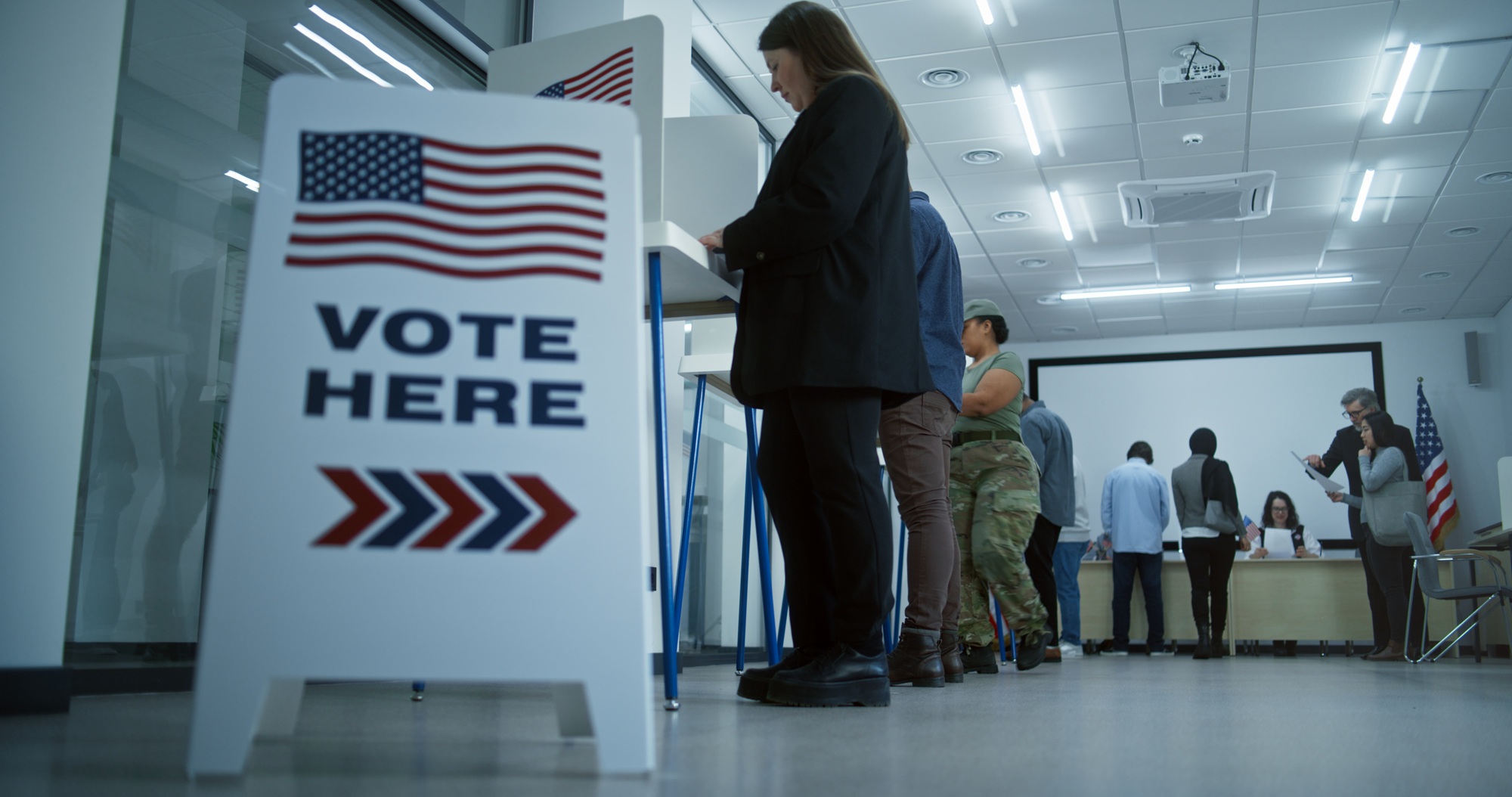
As the 2026 midterm elections approach, the political landscape is defined by a complex web of issues, from economic challenges to immigration and civil rights. The voters’ motivations are under scrutiny by experts nationwide, including Samara Klar, a political science professor at the University of Arizona. Her research delves into how personal identity and social environments shape political behaviors and attitudes.
Klar, who teaches both undergraduate and graduate students, concentrates her studies on voters rather than the legislative process, seeking to understand the driving forces behind voter decisions. Her insights into the key themes of the upcoming elections highlight the importance of deeply personal issues, such as affordability and economic stability, in motivating voter turnout.
Key Election Issues
Klar emphasizes the economic concerns dominating the public discourse. Questions of affordability are at the forefront, with voters pondering their ability to manage expenses like rent and groceries. This economic anxiety is expected to be a significant motivator for choosing candidates who propose solutions for making life more affordable in the coming years.
Beyond economic matters, immigration and water policy are crucial, especially in the Southwest. Many unresolved issues from the 2024 elections remain, leaving voters dissatisfied with the current state of affairs. Both major political parties recognize the fragile balance of power and the competitive nature of the races, which could drive higher voter turnout.
Shifting Demographics
Since the 2024 elections, there have been notable demographic shifts. Klar observes that many key voter groups leaned slightly toward the Republican Party in 2024, though this momentum has waned. Questions persist regarding whether trends, such as Latino voters gravitating toward Republicans, will endure. Klar suggests a possible return to centrist preferences in 2026.
She highlights the “thermostatic model of public opinion,” where public preference shifts in response to government ideology. A conservative government often results in a demand for more liberal policies and vice versa. This pattern, observed throughout modern political history, is expected to continue in 2026, correcting the previous rightward shift of 2024.
Arizona’s Pivotal Role
Arizona stands out as a key swing state in the election narrative, with critical congressional districts and Senate races that could influence the national landscape. Historically considered a Republican stronghold, Arizona’s narrow victory margins in presidential races suggested potential for a shift toward the political center.
Over the last decade, Arizona’s political scene has transformed, with Democratic leaders occupying significant positions, including the governor and two senators. This shift is intriguing given that approximately 35% of the state’s voters are registered Republicans, while 29% are Democrats, leaving a substantial portion as independents.
Despite the Democratic leadership, successful candidates in Arizona often campaign as moderates, positioning themselves as centrists or nonpartisan. In contrast, Republican candidates tend to align with more extreme right-wing ideologies. The electorate’s preference for centrist candidates raises the question of whether Republicans will adopt a more moderate stance in future campaigns.
Read More Here










Comments are closed.