
In a groundbreaking move, Google is set to launch a prototype satellite on Thursday aimed at exploring the potential of establishing AI data centers in outer space. This ambitious project, dubbed Project Suncatcher, marks a significant step by a major technology company towards utilizing space for advanced computing.
Details shared with The New York Times highlight Google’s pioneering efforts as it aims to be the first in the tech industry to venture into this domain.
Peter Beling, a professor at the University of Virginia’s School of Data Science and interim associate dean for research, is also affiliated with the university’s National Security Data and Policy Institute. With expertise in AI and systems engineering, Beling has previously discussed the competitive drive towards space-based AI technology.
Google’s Vision for Space-Based Data Centers
Beling explained Google’s objectives, stating, “What they’re trying to do is understand the opportunity for putting data centers in space.” As AI’s demand for electricity outpaces supply, exploring space offers a potential solution to this growing energy gap, along with addressing environmental concerns related to terrestrial data centers, such as water usage and heat emission.
Functionality and Design in Space
The concept involves server racks that operate without physical connections, relying instead on laser communications. Google is testing the resilience of its AI chips against the harsh space environment, where particles from the solar system could impact their functionality.
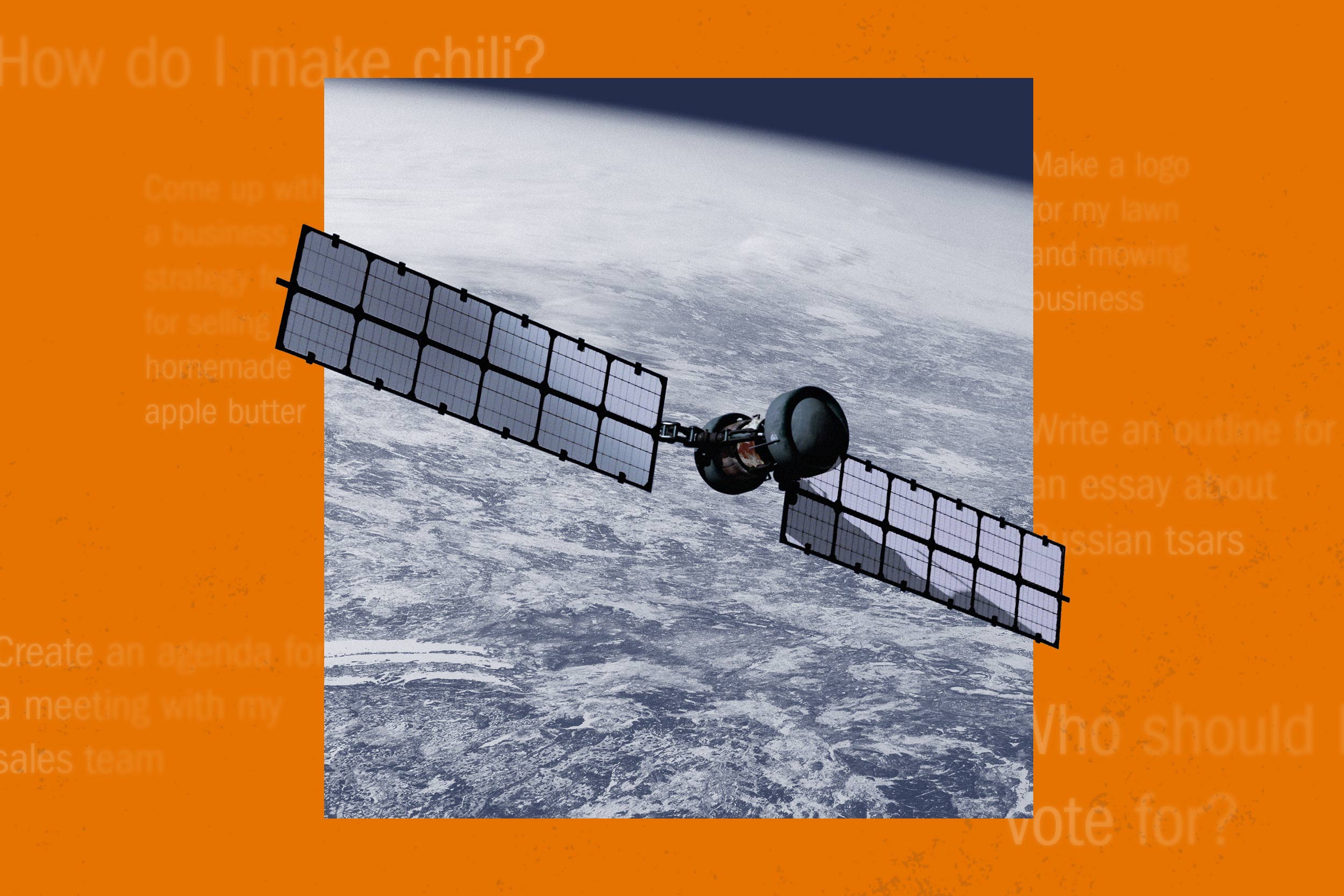
According to The New York Times, the initial Suncatcher prototype will resemble a refrigerator in size. It will feature solar panels that unfold to create a larger surface area, essential for efficient energy capture and cooling through radiative processes.
The Rationale Behind Space Exploration
Space offers abundant solar energy for satellites placed in optimal orbits. Effective cooling in space relies on radiative cooling, where heat dissipates through infrared radiation. This requires a large surface area to function efficiently, making space an appealing option for future data centers.
Read More Here










Comments are closed.