
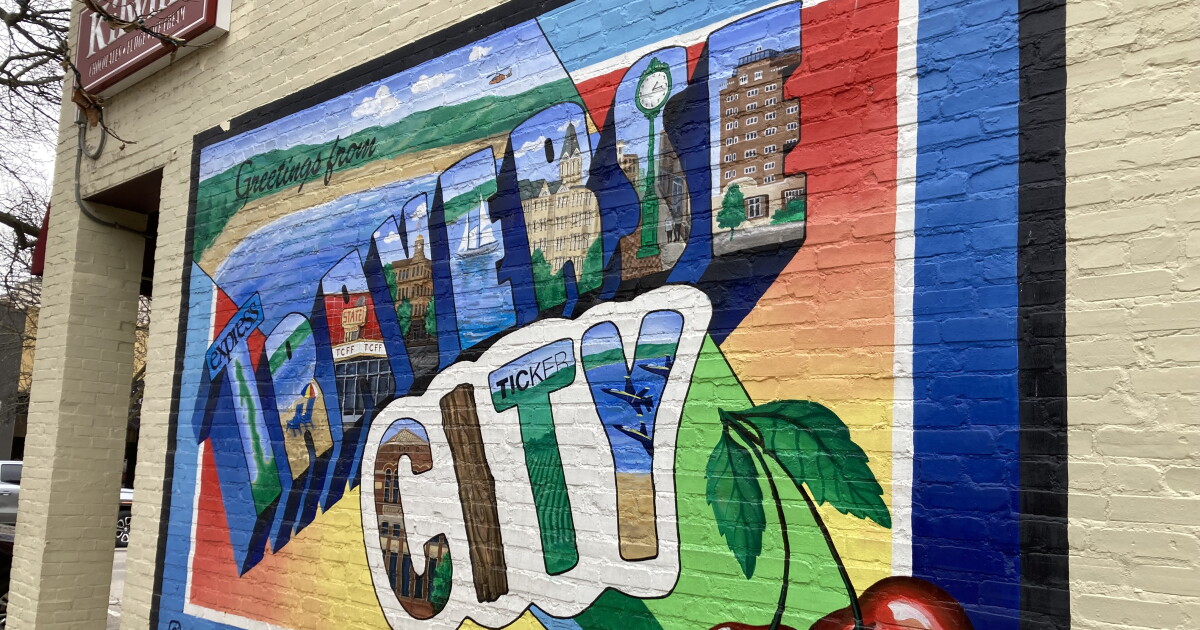
A proposed set of local ordinances in Traverse City, Michigan, has sparked a significant civil liberties dispute — one that could shape how the city handles public safety and homelessness for years to come. The ACLU of Michigan is now urging city officials to reject the measures before a scheduled vote, warning they cross constitutional lines.
The proposed ordinances, which address prowling and trespassing, were introduced at an Oct. 5 Traverse City Commission meeting following a rise in safety incidents at Hull Park. Those incidents include public drinking, threatening behavior, and an assault on a local sailing instructor. Police data shows that incident reports and arrests at the park have climbed sharply since May 2025, when a local homeless encampment known as “The Pines” was cleared.
If approved, the ordinance would allow officers to charge individuals with “prowl[ing] after dark” on property owned by others — a violation carrying a punishment of up to 93 days in jail. A separate trespassing amendment would give officers authority to remove any person found in violation from a city park for up to three days.
The ACLU’s Core Objections
In a letter to the city, the ACLU of Michigan called the draft measures unlawful and identified three distinct constitutional problems with the language as written.
The organization’s first concern centers on how much authority the ordinances hand to individual officers. Traverse City Manager Benjamin Marrentette told commissioners on Oct. 5 that police would exercise discretion in enforcement. But for the ACLU of Michigan, that’s precisely the issue.
Holly Hillyer, a member of the Northwest Michigan Lawyers’ Committee of the ACLU of Michigan and one of the letter’s authors, put it plainly:
“When [police] have too much discretion and not enough guidance from the legislature, that creates a risk that they’re starting to sort of make the law as they go.”
The current draft defines prowling as
“willfully lurking about, lying in wait or moving stealthily about private property as if in search of prey or plunder.”
The ACLU of Michigan described that definition as “inscrutable,” arguing it is so broad that it effectively gives officers the power to stop or arrest anyone they personally find suspicious.
The organization warned that unhoused residents would bear the brunt of that ambiguity.
“The draft ordinance is so ambiguous that it, in essence, empowers officers to stop and arrest anyone they deem suspicious, and unhoused people are all too often stereotyped that way,”
the ACLU of Michigan wrote.
The letter went further, stating:
“Anti-unhoused prejudice already pervades law enforcement, and the draft ordinance gives officers so much leeway that regardless of their best intentions, implicit bias will almost inevitably shape their enforcement decisions.”
Fourth and Fifth Amendment Concerns
Beyond the question of discretion, the ACLU of Michigan flagged two additional constitutional problems tied to specific amendments in the Bill of Rights.
On Fourth Amendment grounds — which protect against unreasonable searches and seizures — the organization argued that the ordinance’s language would allow arrests based on “mere suspicion” rather than the legally required standard of probable cause. That, the ACLU said, would undermine a foundational protection in American law.
The Fifth Amendment concern relates to self-incrimination. The draft ordinance includes language stating that an officer shall give a person a chance to “dispel any alarm … by requesting the person to identify himself or herself and explain his or her presence and conduct.” The ACLU of Michigan argued this provision could be used to compel people to speak — something the Constitution prohibits.
To support that point, the organization quoted directly from a Supreme Court decision:
“We reiterate: Although ‘the police have the right to request citizens to answer voluntarily questions concerning unsolved crimes, they have no right to compel them to answer.'”
Finally, the ACLU argued that the trespassing portion of the ordinance raises due process and First Amendment concerns, and urged the City Commission to reject both measures entirely.
Traverse City Mayor Amy Shamroe, when reached for comment, said the city is awaiting a formal opinion from its attorney. A vote on the ordinances is scheduled for Monday, Oct. 19. Coverage of this story is part of ongoing law enforcement and community reporting from WCMU Public Media, as reported by Maxwell Howard.






Comments are closed.