
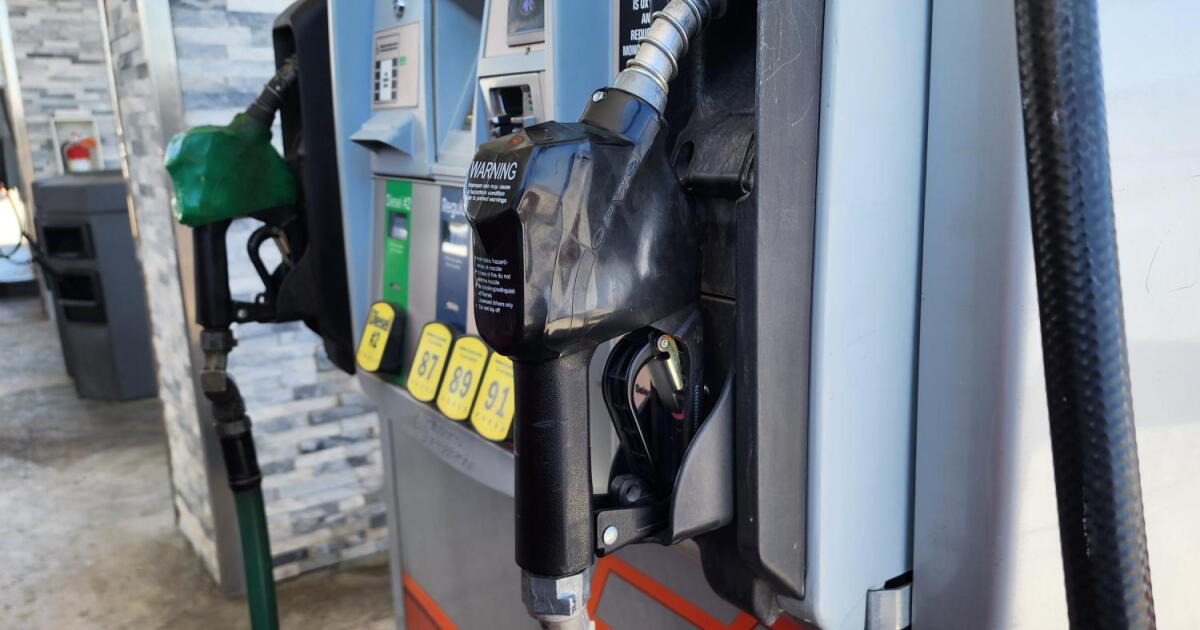
Every trip to the gas station has felt like a gut punch for Arizona drivers lately — and while there’s a small reason to exhale, the relief is far from complete. Prices are inching down, but they’re still sitting at levels most Arizonans have never seen this time of year.
According to reporting from KJZZ, the American Automobile Association (AAA) confirmed that unleaded gasoline prices in Arizona have dropped for the third consecutive week. That’s a welcome trend — but it doesn’t tell the whole story. Despite the recent dip, prices across the state are still at seasonal record highs, meaning Arizonans are paying more for gas this fall than at any comparable point in history.
What Drivers Are Actually Paying
If you’re filling up in Maricopa County, you’re looking at an average of $4.66 per gallon for unleaded fuel. That’s a significant chunk out of a weekly budget, especially for families who commute long distances or rely on their vehicles for work. The most affordable option in the state right now is Cochise County, where the average drops to $4.44 per gallon — still a price that would have raised eyebrows just a few years ago.
Diesel fuel, which directly affects the cost of trucking goods across the state, saw a sharp jump — rising 17 cents in a single week to land at $6.37 per gallon. When diesel prices climb, the ripple effect hits consumers at grocery stores and beyond, since most goods travel by truck before they reach store shelves.
Why Prices Are Still So High
AAA spokesman David Caltabiano explained the complicated picture facing Arizona consumers. On one hand, the seasonal shift is working in drivers’ favor. On the other, broader market forces are keeping prices stubbornly elevated.
“The fall months simply do bring lower gas prices but they’re still historically high for this time of year. There is the volatility in the oil market that has really led to seasonal record highs.”
— David Caltabiano, AAA
Two key factors are helping push prices slightly lower right now. First, gas stations are transitioning to winter-blend fuel, which is cheaper to produce than the summer formula. Second, demand tends to drop in the fall as road trip season winds down and people drive less overall. But those savings are being offset by unpredictable swings in the global oil market, which have kept Arizona’s fall gas prices higher than they’ve ever been at this point in the year.
The situation is part of a broader economic squeeze felt by families across the country. Gas prices influence more than just what you spend at the pump — they affect how much you pay for delivered goods, groceries, and services that depend on transportation.
For more on how Arizona’s transportation landscape is evolving, ADOT is currently seeking public input on potential improvements to I-10 through central Phoenix, as reported by Bridget Dowd. Meanwhile, Arizona Governor Katie Hobbs recently took action on a related front, issuing orders to temporarily suspend enforcement of rules barring farmers from using cheaper red-dye diesel — a move aimed at easing cost burdens on the state’s agricultural community at a time when fuel prices are squeezing every sector.
On the environmental side, Maricopa County is one step closer to receiving federal approval for rules that would incentivize lower vehicle emissions, according to Camryn Sanchez‘s reporting — a development that could shape how drivers think about fuel costs long-term. And in a story that caught national attention, a Tucson man who was duct-taped to his seat during a flight has been indicted, as Matthew Casey reported for the Fronteras Desk.
For Arizona families trying to manage monthly expenses, every cent at the pump matters. The three-week slide in prices is an encouraging sign, but with oil markets remaining volatile, there’s no guarantee the downward trend will hold — and for now, Arizonans are still paying record-high prices for what should be one of the cheaper times of year to fill up the tank.









Comments are closed.