
Villanova Faculty to Present Pioneering Sustainability Projects in Rome
Next week, Villanova University faculty members are set to converge in Rome, Italy, for the 2026 International Sustainability Conference. This global event gathers academics, practitioners, and community leaders to deliberate on today’s critical environmental and social issues.
The initiatives that Villanova faculty will showcase are deeply rooted in both the campus and the Greater Philadelphia area, addressing local challenges while contributing to broader sustainability discussions worldwide.
Highlighting Local Environmental Research
Kabindra M. Shakya, PhD
Associate Professor of Environmental Science
Dr. Kabindra M. Shakya’s research is dedicated to understanding the environmental conditions affecting daily life in Philadelphia communities. His studies focus on air quality and soil contamination, particularly targeting environmental challenges impacting vulnerable populations.
“Many environmental risks are not immediately visible, yet they can have significant impacts on community health and quality of life. My research monitors air pollution and soil contamination at the neighborhood level so we can better understand the conditions people experience every day and identify areas where additional attention may be needed,” Dr. Shakya notes.
Innovative Energy Solutions at Villanova
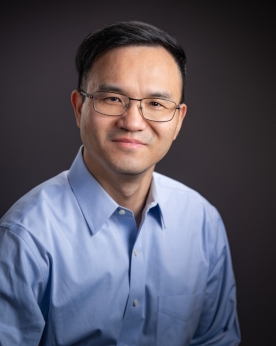
Liang Du, PhD
Associate Professor of Electrical and Computer Engineering
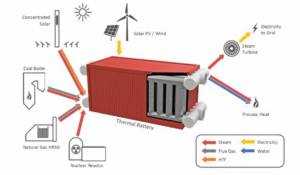
Dr. Liang Du leads the AVATAR Capstone Project, collaborating with four undergraduate students to enhance Villanova’s energy management systems. This initiative aims to bolster campus sustainability and autonomy through innovative engineering solutions and emerging technologies.
“The AVATAR Project aims at advancing our campus sustainability, autonomy and transparency in energy usage. The main question we’re trying to answer is this: Can we deliver a different engineering solution that can lead to a 100% self-sustained Villanova University campus?” Dr. Du explains.
Tackling Illegal Dumping in Philadelphia
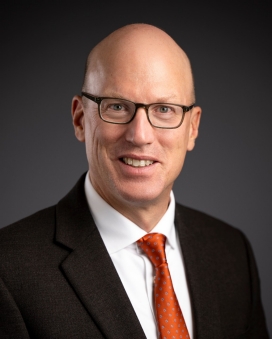
Todd Aagaard, JD
Professor of Law
Professor Todd Aagaard’s research investigates the issue of illegal trash dumping in Philadelphia. This practice, which involves disposing of waste in unauthorized areas, poses significant challenges to public spaces and ecosystems.
“Illegal dumping is often viewed as a waste management issue, but its impacts reach much further. It can harm public spaces, contribute to environmental degradation and create challenges for residents who rely on those areas as part of their daily lives,” Professor Aagaard says.
Engaging Communities in Environmental Stewardship
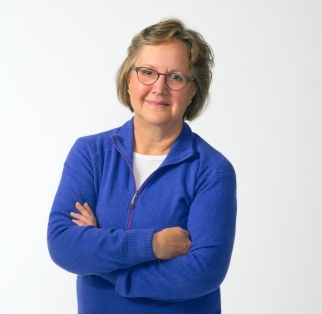
Ruth McDermott-Levy, PhD
Professor Emerita and Co-Director, Mid-Atlantic Center for Children’s Health and the Environment (MACCHE)
Dr. Ruth McDermott-Levy collaborates with EcoPhilly to engage schools and parishes in environmental stewardship, addressing local challenges while promoting a commitment to caring for the environment.
“Environmental issues are often discussed in terms of their impact on the planet, but they also have direct consequences for human health and well-being,” Dr. McDermott-Levy emphasizes.
Preserving Community Gardens
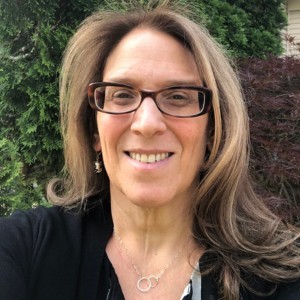
Peleg Kremer, PhD
Associate Professor of Geography and the Environment
Professor Peleg Kremer leads the Philadelphia Garden Data Collaborative, which focuses on preserving community gardens through data and local partnerships.
“Community gardens do far more than provide green space. They support local food systems, strengthen neighborhood connections and create opportunities for residents to care for their environment together,” Dr. Kremer explains.
Integrating Faith and Ecology
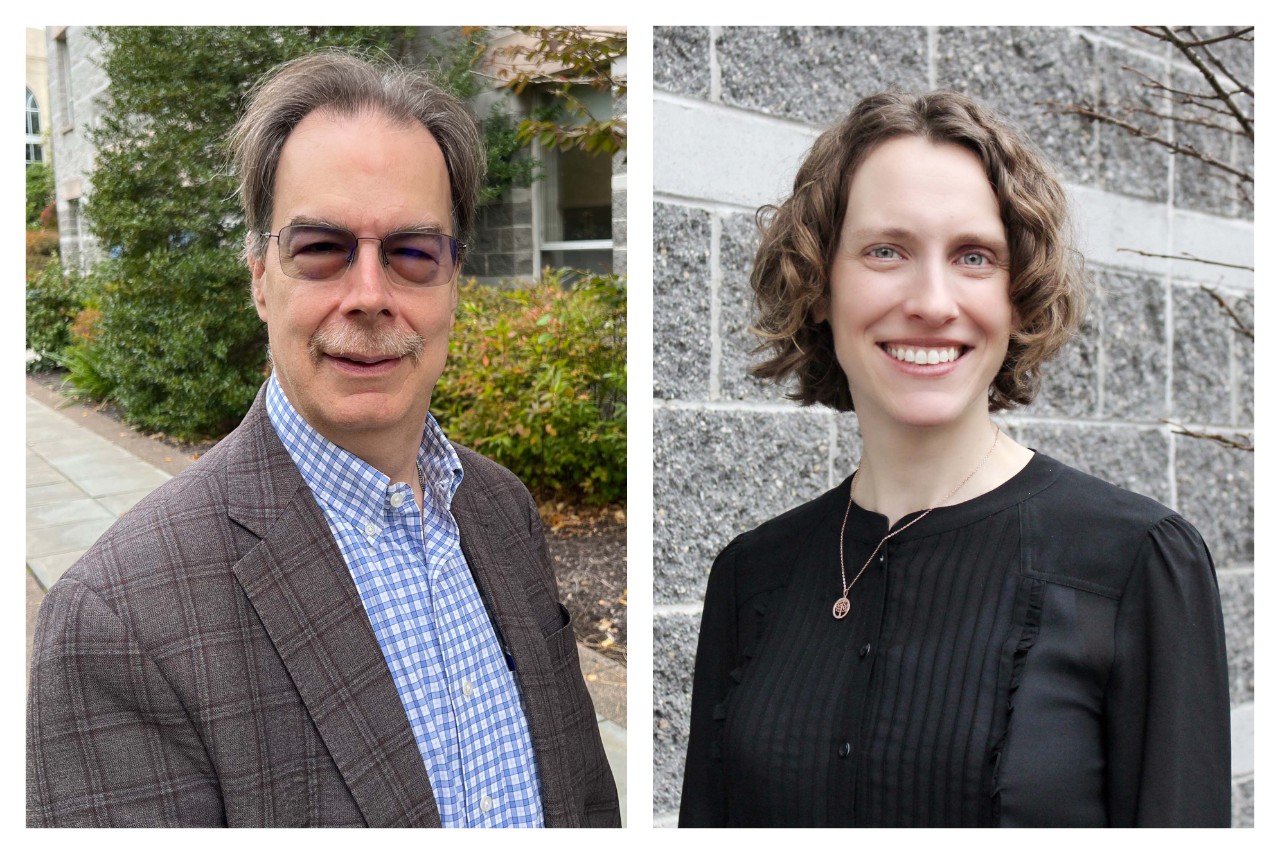
Rev. Christiane Lang Hearlson, PhD, and Timothy M. Brunk, PhD
Associate Professors of Theology and Religious Studies
Through the CLEAR Project, funded by the Lilly Endowment, Dr. Lang Hearlson and Dr. Brunk explore how faith communities can connect ecological stewardship with worship, involving children as active participants.
“Conversations about sustainability often focus on programs and practices, but they also require communities to cultivate a deeper sense of responsibility and care for creation,” Dr. Lang Hearlson states.
Read More Here



Comments are closed.