The Shift in Education Department’s Role in Handling Sexual Violence Cases
By COLLIN BINKLEY, AP Education Writer
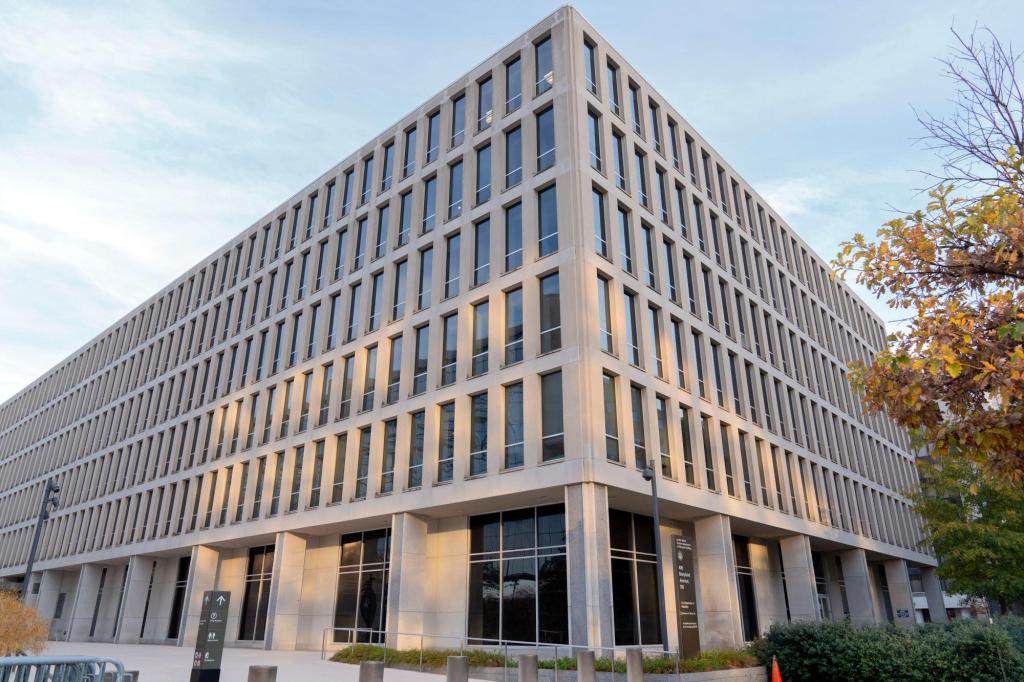
WASHINGTON (AP) — The U.S. Education Department, once a stronghold against mishandling of sexual assault complaints in educational institutions, is witnessing a dramatic change under President Donald Trump’s administration. Previously formidable in addressing cases of sexual violence, the department is now focusing its efforts elsewhere.
The Office for Civil Rights (OCR), a critical component of the department, has seen significant cuts, resulting in a reduced workforce. This downsizing, initiated by last year’s mass layoffs, has left OCR with half the number of lawyers to tackle discrimination complaints, now burdened with a backlog of more than 25,000 cases.
These changes have led to a decrease in the number of sexual violence investigations. Data obtained by The Associated Press shows that, prior to the layoffs, the department began dozens of such investigations annually; however, fewer than 10 have been initiated nationwide since the layoffs.
Meanwhile, the Trump administration has intensified investigations into cases involving accommodations for transgender students and athletes under Title IX, with nearly 50 cases opened in the past year.
Critics argue that the office was already understaffed before the layoffs, resulting in slow case handling. Many firms handling Title IX cases have ceased filing complaints, deeming it futile. “It almost feels like you’re up against the void,” said Katie McKay, a lawyer in New York.
According to an Education Department spokesperson, the backlog is blamed on the previous administration, and efforts are being made to address it. “The Trump Administration has restored commonsense safeguards against sexual violence,” stated spokesperson Julie Hartman.
Limited Avenues for Students Seeking Justice
The cutbacks have severely impacted the OCR’s capacity to manage cases of sexual violence, leaving students with few alternatives for recourse. Many are left to either pursue litigation or abandon their complaints.
One woman, who filed a complaint in 2024, expressed her frustration over the lack of response regarding her case, which involved her graduate school’s handling of a sexual assault incident. She has resorted to suing her school as a last resort, feeling overpowered by the institution.
The OCR is intended to offer a free alternative to litigation, allowing for complaints to trigger investigations and potential sanctions against schools that violate federal law. In 2024, over 1,000 complaints related to sexual violence or harassment were received.
Details on recent complaints remain scarce, with staff citing an inability to track the rapidly accumulating cases. In December, the department acknowledged the backlog and announced plans to reinstate workers amid legal challenges to the layoffs.
Historical Accountability in Educational Institutions
Historically, the OCR maintained over 300 active investigations concerning sexual assault before the recent administrative changes. However, many of these cases have stalled as staff prioritize more straightforward complaints.
Noteworthy past cases include actions taken against a Pennsylvania school system and a Montana school for inadequate responses to sexual assault incidents. The OCR also supported a University of Notre Dame student who claimed the college inadequately informed him of accusations against him.
Cases currently under federal scrutiny adhere to rules established during Trump’s first term, designed to reinforce the rights of accused students. However, lawyers representing accused students report minimal improvement in the handling of such cases.
Some legal firms, such as the LLF National Law Firm, have abandoned the OCR’s complaint process in favor of direct lawsuits, citing the office’s incapability to deliver timely outcomes, exacerbated by the layoffs.
Complaints can be resolved through dismissal, mediation, or voluntary agreements where schools commit to corrective actions. In 2024, the OCR secured 23 voluntary agreements under Biden, compared to 58 in 2018 during Trump’s earlier term. No agreements have been reached since Trump returned to office.
Laura Dunn, a civil rights lawyer pivotal in making campus sexual assault a priority during Obama’s administration, laments the setbacks. “All the progress survivors have made by sharing their story is being lost,” said Dunn.
The Associated Press’ education coverage receives financial support from multiple private foundations. The AP is solely responsible for all content. Find the AP’s standards for working with philanthropies, a list of supporters and funded coverage areas at AP.org.
Read More Here