Kentucky Supreme Court Blocks Public Funding for Charter Schools
The Kentucky Supreme Court has declared that public funding for charter schools is unconstitutional, emphasizing that state resources are solely for traditional public schools. This decision marks a significant triumph for opponents of charter schools in the state.
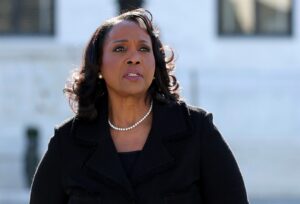
The controversial measure, passed by Kentucky’s Republican-majority legislature in 2022 despite a veto from Democratic Governor Andy Beshear, faced immediate legal challenges. A lower court ruled against the measure in the following year, and the state’s highest court has now upheld that decision. Justice Michelle M. Keller, writing for the court, stated, “The Constitution as it stands is clear that it does not permit funneling public education funds outside the common public school system.”
In 2024, Kentucky voters further cemented this stance by rejecting a ballot proposal that would have allowed tax dollars to be directed to private or charter school students. This ongoing resistance highlights the difficulties faced by charter school advocates who argue for more educational choices for parents but face opposition due to concerns about diverting resources from public schools.
Since becoming legal in 2017, no charter schools have opened in Kentucky due to the absence of a funding mechanism. The recent court ruling reiterates the state’s long-standing approach to education funding. As Justice Keller noted, Kentucky has consistently viewed education as “a constitutional mandate, challenged again and again.” She further clarified that the mandate ensures state education funds are intended exclusively for common schools.
While the court did not express an opinion on the potential benefits of charter schools, Keller emphasized that such policy decisions rest with the General Assembly, stating, “We make no predictions about the potential success of charter schools or their ability to improve the education of the Commonwealth’s children, and we leave public policy evaluations to the Commonwealth’s designated policymakers — the General Assembly.”
Read More Here