Florida’s Potential H-1B Visa Ban: A Blow to University Science Departments?
Amid ongoing debates about immigration and employment, Florida is considering a significant policy shift that could impact its higher education institutions. The state’s public universities might soon face a one-year ban on hiring foreign faculty using H-1B visas, a move that some experts are calling “devastating” for science departments.
The Florida Board of Governors is scheduled to discuss this proposed ban during their meeting in Tallahassee. If approved, the rule would be open for public comment for two weeks before potentially being finalized. The H-1B visa program, which permits institutions to hire skilled foreign professionals for roles that are hard to fill domestically, currently employs nearly 400 individuals across Florida’s universities.
Governor Ron DeSantis has criticized the use of H-1B visas in state colleges, arguing that they represent “cheap labor” and disadvantage qualified Floridians. However, Kathryn Jones, a biological science professor at Florida State University, argues otherwise. She emphasizes the importance of these visas in filling specialized roles, such as those in cryo-electron microscopy and genomics, where domestic candidates are often scarce.
Many university departments, especially those in computer science, engineering, and chemistry, heavily rely on foreign faculty. Data from 2023 indicates that about 60% of Ph.D. graduates in computer science from U.S. universities were on temporary visas, highlighting the field’s reliance on international talent.
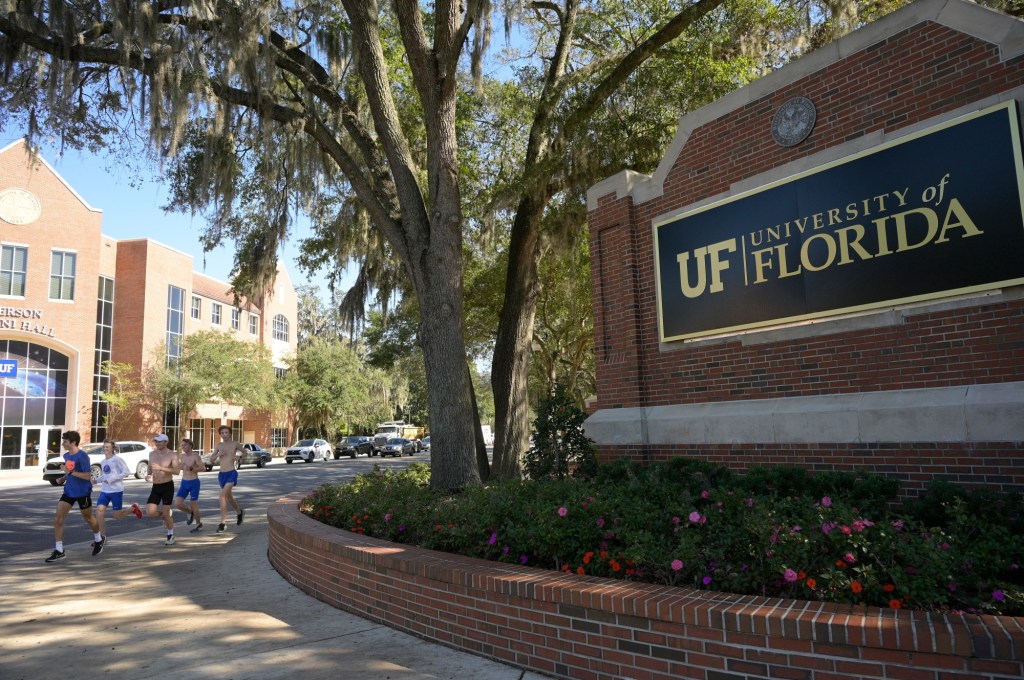
The University of Florida is a notable participant in the H-1B program, employing 150 staff under these visas, with other universities like USF and Florida State not far behind. Jones refers to her foreign colleagues as “highly valued” and questions the rationale behind rejecting qualified faculty based on nationality.
Talat Rahman, president of UCF’s faculty union and a beneficiary of the H-1B program herself, expressed her disappointment with the proposed ban. “They are making anybody who is not white feel that they are inferior, and they don’t belong here,” she said. Rahman also highlighted the value of diversity in academia, stating that it fosters growth and innovative thinking.
Beyond academia, the H-1B program supports over 7,200 jobs in Florida, primarily in private companies. The program has become a point of contention among political figures, with some, like Elon Musk, advocating for it while others, like DeSantis, opposing it. Recently, President Donald Trump announced a dramatic fee increase for H-1B visas, from $215 to $100,000, further complicating the landscape for employers.
While the Florida Board of Governors’ agenda did not clarify the reasons behind the proposed ban, the decision could significantly alter the state’s academic and professional environments. This story is still unfolding. Stay tuned for further developments.
Read More Here