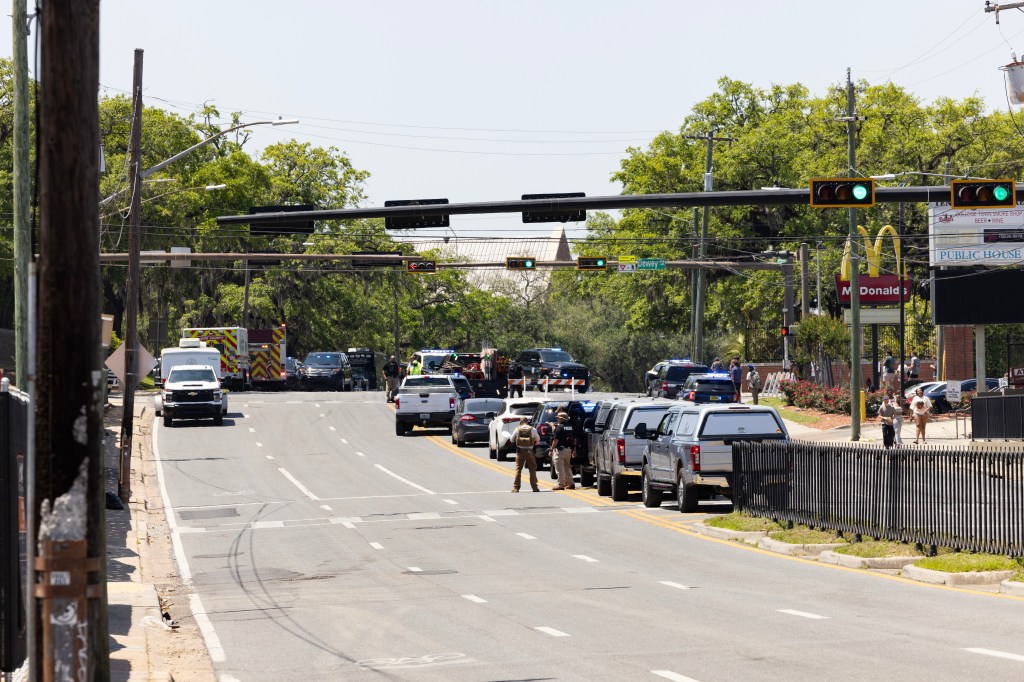
In a move aimed at enhancing campus security, Florida’s House committee has advanced a proposal to extend the armed “school guardian” initiative to higher education institutions. This decision follows a tragic shooting at Florida State University last year, which left two dead and five injured.
The Education & Employment Committee unanimously supported the bill (HB 757), which seeks to arm select post-secondary personnel. This approach builds on measures introduced in public schools after the 2018 Parkland shooting at Marjory Stoneman Douglas High School.
Rep. Michelle Salzman, who is spearheading the bill, emphasized the collective input from students, parents, faculty, and staff in crafting the proposal. She described it as a groundbreaking approach to preventing and responding to campus shootings.
“This bill creates a prevention and a response mechanism unlike any other,” Salzman remarked. “This will be the beacon for the nation.”
The initiative was spurred by a shooting incident during the 2025 legislative session at Florida State University. At that time, Salzman was enrolled in FSU’s Applied American Politics and Policy master’s program.
“I was in group text with a lot of my classmates, and we were getting live videos, you know, texted and pictures texted of where the shooter was, where they were,” Salzman recounted. “It was a very hard moment for a lot of us. We felt very helpless sitting here in the Capitol. And those that were on campus felt helpless where they were.”
While the proposal has its supporters, it also faces criticism. Emily Stewart, an assistant professor of geology at Florida State University, voiced concerns about potential confusion during active shooter situations. She recounted an instance when armed officers mistakenly believed there might be an additional shooter on campus.
“They were pointing guns at me because they, too, still believed that there might be a second shooter hiding somewhere on campus,” Stewart said. “What if I had stepped into the hallway holding a weapon because I wanted to protect my students? I’m a nerdy looking woman. What if I were a young man who worked for the university, who stepped into the hallway holding a weapon with three weeks of training?”
Stewart questioned how introducing armed civilians, albeit trained, could impact law enforcement’s response during emergencies.
Rep. Alex Rizo, R-Hialeah, supports the measure, reflecting on missed opportunities for school safety improvements in the past. “School safety is an ongoing moving target,” Rizo stated. “It’s something that we always strive to perfect, get better, and unfortunately, we learn from our mistakes and we have to keep going.”
Under the proposed legislation, college and university presidents would have the authority to designate trained employees and faculty members who may carry concealed weapons on campus. The bill also mandates several safety protocols:
Key Provisions of the Bill
- Promotion of the FortifyFL mobile app for reporting suspicious activities.
- Transfer of records related to student behavior, including threat assessments and psychological evaluations, from K-12 schools to state colleges or universities.
- Classification of discharging firearms within 1,000 feet of a school during school hours or activities as a second-degree felony, except in cases of lawful self-defense.
- Development of active assailant response plans, staff training for mental health issue detection, student mental health service connections, threat management teams, and post-incident reunification plans.
The proposal is set to be reviewed by the Budget Committee before it can be presented on the House floor. Meanwhile, a corresponding Senate bill (SB 896) awaits committee evaluation.
Read More Here