
Communities often sense when something is amiss before authorities do, noticing unusual health patterns, rising illnesses among neighbors, or unexpected symptoms at local schools. However, these signals frequently go unnoticed until outbreaks have already disrupted daily life in Tucson and beyond.
EpiHack Arizona, an event spearheaded by the University of Arizona’s Ending Pandemics Academy at the Zuckerman College of Public Health, aims to address this issue. Scheduled for May 18-22, 2026, at the Health Sciences Innovation Building, the event will gather health experts and tech developers from across Arizona to devise community-based reporting systems and digital tools for earlier detection of outbreaks.
The initiative leverages the expertise of Ending Pandemics Academy co-founders, Dr. Mark Smolinski and Nomita Divi, who have spent over a decade collaborating with global partners to create innovative, community-centered early outbreak detection systems. Now, they are bringing this expertise to Arizona.
EpiHack Arizona focuses on empowering communities to enhance their health security through participatory surveillance. This method allows individuals to report symptoms and unusual health events, providing timely information for prevention or rapid response. Such community-driven data helps health officials detect and respond to outbreaks more swiftly before they escalate.
“Communities are the first to notice when something isn’t right. EpiHack Arizona is about building the systems and the trust that turn that local knowledge into early action – together,” said Divi.
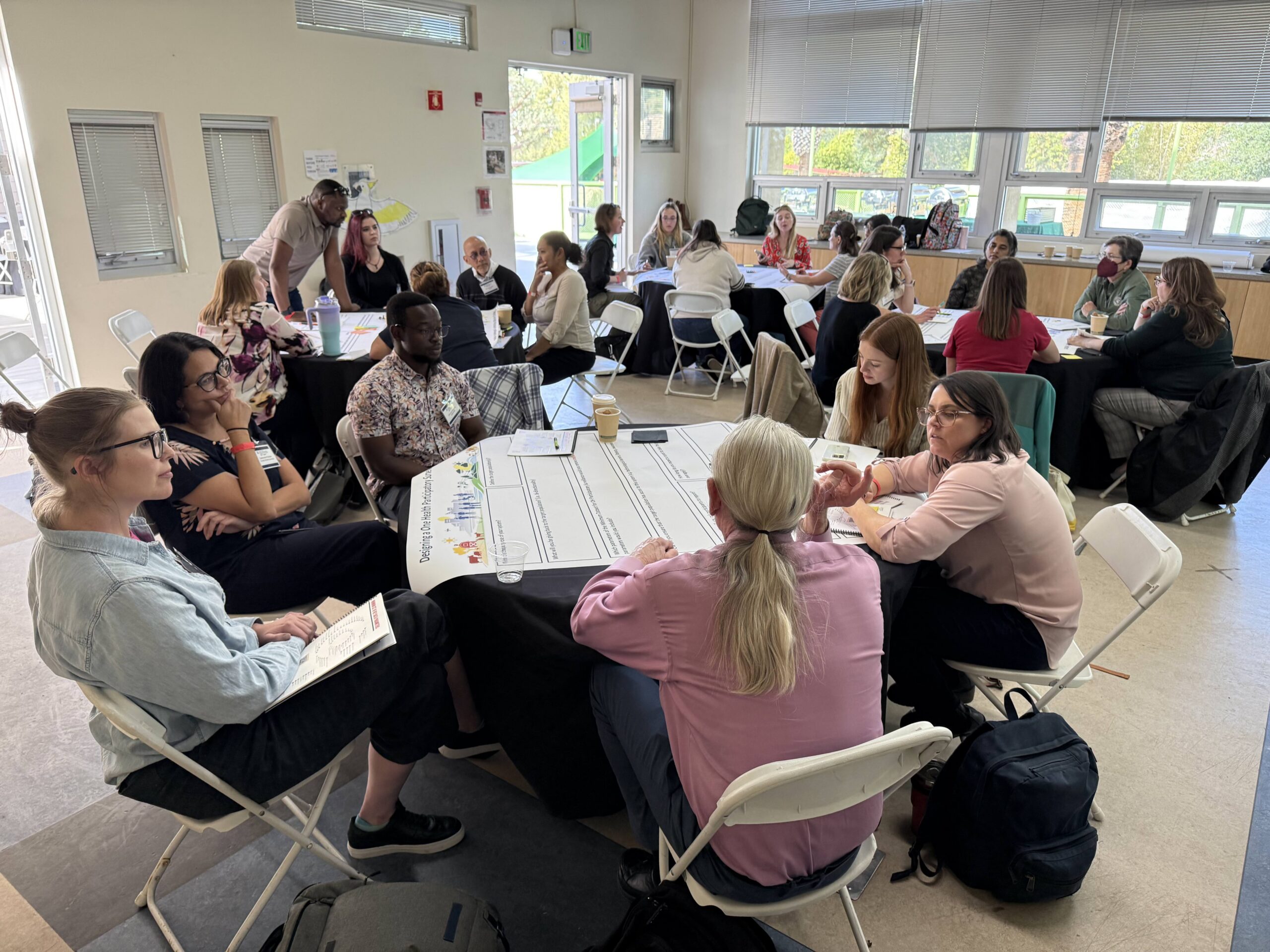
Unlike a traditional conference, EpiHack is a collaborative event where experts from the One Health spectrum—encompassing human, animal, and environmental health—collaborate to develop prototype tools and methods that bridge the gap between communities and health authorities. The event will culminate in a demo day to present these solutions to community leaders and interested parties from Tucson and beyond.
“Solutions that are co-created by health experts with local tech developers who understand the capacity and available technologies allow systems to scale quickly,” said Smolinski. “In addition, health authorities are more likely to promote and trust systems that they helped create. This is the magic of EpiHack.”
EpiHack Arizona also offers a unique opportunity for University of Arizona students. Participants from various departments will gain hands-on experience in pandemic prevention strategies and innovative outbreak detection approaches. Health experts from across the state, including the Tohono O’odham Nation, will join the event.
“We are excited to see the enthusiasm from communities across Arizona who are participating in this unique opportunity to improve the health and security of all persons living in the state,” Smolinski noted.
Read More Here





Comments are closed.