By CORA LEWIS, Associated Press
NEW YORK (AP) — In a significant development for student borrowers, the Trump administration has consented to reinstate loan forgiveness for approximately 2.5 million individuals following a lawsuit initiated by the American Federation of Teachers. This agreement marks a pivotal moment for many borrowers seeking relief under certain federal repayment plans.
The agreement, finalized on Friday, mandates the Education Department to process loan forgiveness for those in specific repayment plans that calculate payments based on income. Previously halted due to different legal interpretations, this move is expected to provide necessary relief to many borrowers.
Borrowers will also benefit from protection against high tax bills on debt forgiven this year, a relief that many were anxiously awaiting.
“We took on the Trump administration when it refused to follow the law and denied borrowers the relief they were owed,” AFT President Randi Weingarten stated. “Our agreement means that those borrowers stuck in limbo can either get immediate relief or finally see a light at the end of the tunnel.”
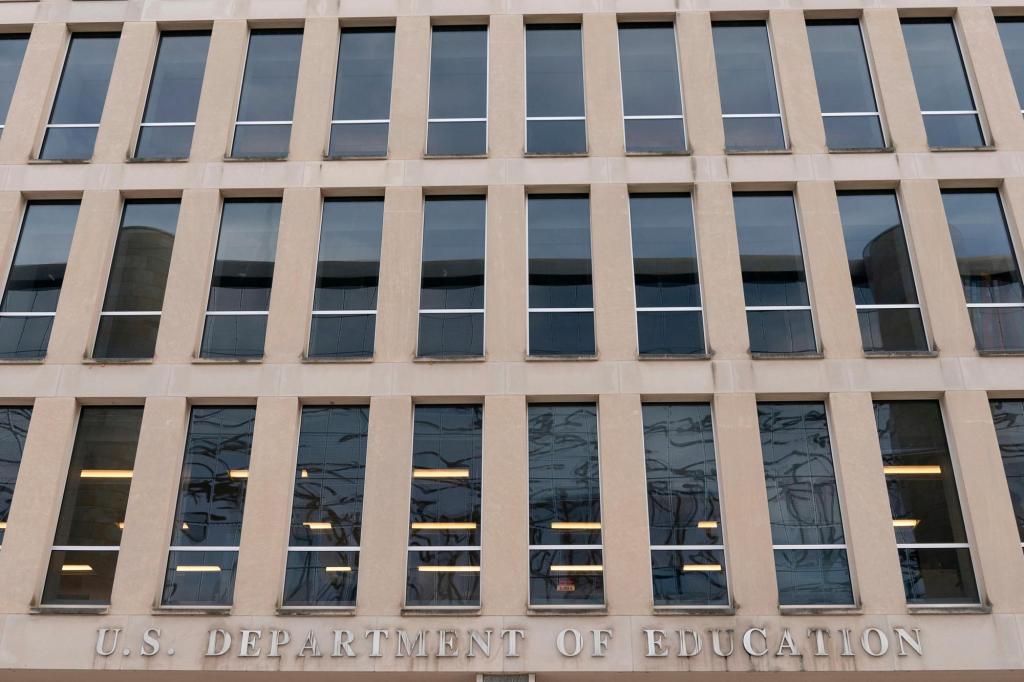
The Education Department is currently reviewing forgiveness programs to ascertain which were unaffected by court decisions that impeded much of the Biden administration’s student debt cancellation efforts.
“The Administration looks forward to continuing its work to simplify the student loan repayment process through implementation of the President’s One Big Beautiful Bill Act,” the department noted in a statement.
Several forgiveness programs included
As part of the agreement, the administration is required to cancel student debt for eligible borrowers in plans such as income-driven repayment (IDR) plans, income-contingent repayment plans, Pay As You Earn (PAYE), and Public Service Loan Forgiveness (PSLF) plans.
Borrowers who have overpaid beyond the necessary amount for forgiveness will receive refunds. Additionally, the Education Department is tasked with processing IDR and PSLF “buyback” applications. Importantly, balances forgiven before December 31 will not be subject to taxation, a provision set to change in 2026 under new tax laws.
Progress reports detailing the pace of application processing and loan forgiveness must be filed biannually with the court, as outlined by the AFT.
How many borrowers are waiting for forgiveness?
The agreement impacts an estimated 2.5 million borrowers within IDR plans, alongside 70,000 individuals awaiting forgiveness through the PSLF program. However, potential mass layoffs at the Education Department could impact processing times, according to Megan Walter, senior policy analyst at the National Association of Student Financial Aid Administrators.
She advises borrowers to keep detailed records, as payments made while awaiting forgiveness will be refunded if their applications are successful.
What are the PSLF and buyback forgiveness programs?
The Public Service Loan Forgiveness program, effective since 2007, offers federal loan forgiveness to those employed in public service or non-profit sectors after 120 qualifying payments. The Biden administration has also introduced a “buy back” option for payments missed during forbearance or deferment in 2023, broadening eligibility for more borrowers.
To find out if you are eligible for a buy-back under the PSLF program, please consult this page at the Education Department.
The Associated Press receives support from Charles Schwab Foundation for educational and explanatory reporting to improve financial literacy. The independent foundation is separate from Charles Schwab and Co. Inc. The AP is solely responsible for its journalism.
Originally Published:
Read More Here