
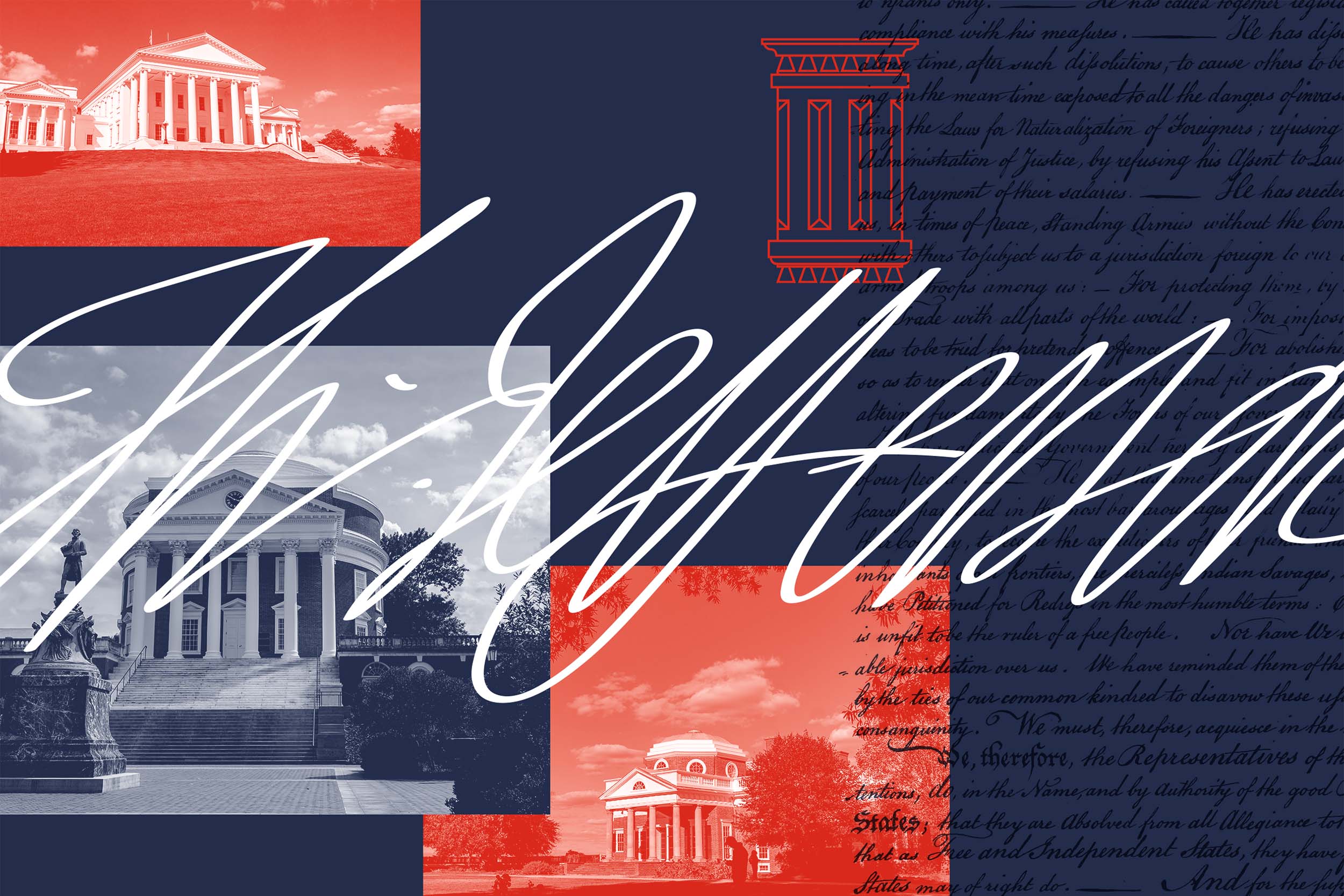
From the domes to the porticos, the architectural influence of Thomas Jefferson is evident in government buildings across the United States. This classic style, known as Federal architecture, gave a burgeoning nation a sense of gravitas and legitimacy, with structures reminiscent of those on the University of Virginia’s Lawn appearing from Virginia to Colorado.
Jefferson’s Architectural Vision
Thomas Jefferson was a key figure in shaping the architectural identity of the United States. According to Richard Guy Wilson, a professor emeritus of architectural history at UVA, “The new country needed an image. It needed to have some persona.” Jefferson understood the importance of public presence, drawing from his European experiences with classical architecture.
His influence is seen in the Virginia State Capitol in Richmond and the original design of the U.S. Capitol, among other significant public structures. “Look at the old Boston City Hall or the old Massachusetts State House, and you can see the influence,” Wilson noted. Even modest colonial buildings adopted these classical details, lending them a distinguished character.
The Symbolism of Architecture
The Federal style was not only contemporary but also deliberate in its symbolism. “Public buildings say, ‘This is authority, it’s the government,’” Wilson explained. This architectural approach extended to important structures like libraries, serving as a lasting record of a civilization’s values and identity. “When we think about Egypt, it’s pyramids. What you know about Greece is the buildings. The same for the Romans,” Wilson added.
Architect Elijah E. Myers, influenced by Jefferson’s style, incorporated Federal architecture into the Michigan and Colorado state capitols. Many state capitols across the nation feature a blend of styles, including neoclassical elements such as colonnades and domes, which echo Jefferson’s architectural vision.
A Shift in Architectural Trends
However, over the past century, the prominence of Federal architecture has waned as new styles and construction techniques have emerged. The evolution of the built environment in the United States reflects these changes, moving away from the classical influences that once dominated public architecture.
Read More Here





![Robert Harmon Celebrates 99th Birthday at UVA’s Homecomings Weekend[embed]https://www.youtube.com/watch?v=c_VPFnE8x-w[/embed]](https://realnewsfast.com/wp-content/uploads/2026/10/Robert-Harmon-Celebrates-99th-Birthday-at-UVAs-Homecomings-Weekendembedhttpswwwyoutubecomwatchvc_VPFnE8x-wembed-300x200.jpg "Robert Harmon Celebrates 99th Birthday at UVA’s Homecomings Weekend[embed]https://www.youtube.com/watch?v=c_VPFnE8x-w[/embed]")
![Environmental Opera “Auksalaq” Opens UVA’s Arts on the Hill Series[embed]https://www.youtube.com/watch?v=PjYuP9wh3Hw[/embed]](https://realnewsfast.com/wp-content/uploads/2026/10/Environmental-Opera-Auksalaq-Opens-UVAs-Arts-on-the-Hill-SeriesembedhttpswwwyoutubecomwatchvPjYuP9wh3Hwembed-300x200.jpg "Environmental Opera “Auksalaq” Opens UVA’s Arts on the Hill Series[embed]https://www.youtube.com/watch?v=PjYuP9wh3Hw[/embed]")
![New documentary explores Elizabeth Holmes’ final days before prison[embed]https://www.youtube.com/watch?v=GGJSRFWALTI[/embed]](https://realnewsfast.com/wp-content/uploads/2026/10/New-documentary-explores-Elizabeth-Holmes-final-days-before-prisonembedhttpswwwyoutubecomwatchvGGJSRFWALTIembed-300x200.jpg "New documentary explores Elizabeth Holmes’ final days before prison[embed]https://www.youtube.com/watch?v=GGJSRFWALTI[/embed]")