For immediate release
Contact: dmawempio@widma.gov
Early on August 10, 2025, a critical call came into the Wisconsin Department of Military Affairs’ Joint Operations Center. A Milwaukee resident, unable to reach 911, sought help for someone trapped in their vehicle due to rising floodwaters. The center promptly coordinated with the Milwaukee County deputy emergency manager to dispatch assistance.
As conditions worsened, the State Emergency Management Operations Center (SEOC) was activated by 11 a.m. Wisconsin Emergency Management (WEM) personnel, alongside other state and federal agencies, worked diligently to disseminate safety information, monitor the situation, and process county requests for resources.
“As soon as I walked into the SEOC, there were two resource requests, and five total on that first day,” noted Drew Werner, Supervisor for WEM’s Response Planning and Support Section. “I was providing resource support in the SEOC and with each request that came in, we were beginning to understand the serious nature of the incident and what our fellow Wisconsinites were facing.”
Key resource requests included swiftwater rescue teams, over 12,000 sandbags, and the Wisconsin All-Hazards Incident Management Team. One notable request was for a sandbag machine at a hospital in Milwaukee. Typically, agencies collect such equipment themselves, but given the circumstances, WEM’s Regional Emergency All-Climate Training Center Director, Matt Davies, personally delivered the machine.
“Prior to Aug. 10, it has been some time since the SEOC was open for a flood response,” Werner remarked. “While it may have been a while and there were newer WEM staff, the plans we have and the training at WEM allowed us to get the job done in an efficient manner and provide support during this devastating flooding event.”
The SEOC operated from August 10 to 25, with 31 WEM staff and 11 partner agencies ensuring a coordinated response. As waters receded, efforts shifted to evaluating the storm’s impact on communities.
“It was critical to get the initial assessments done quickly,” said WEM Administrator Greg Engle. “It can take several weeks to get federal assistance, and we knew the flood survivors had urgent needs for repairs and replacement of damaged belongings. We wanted to get help to them as soon as possible and before colder temperatures set in.”
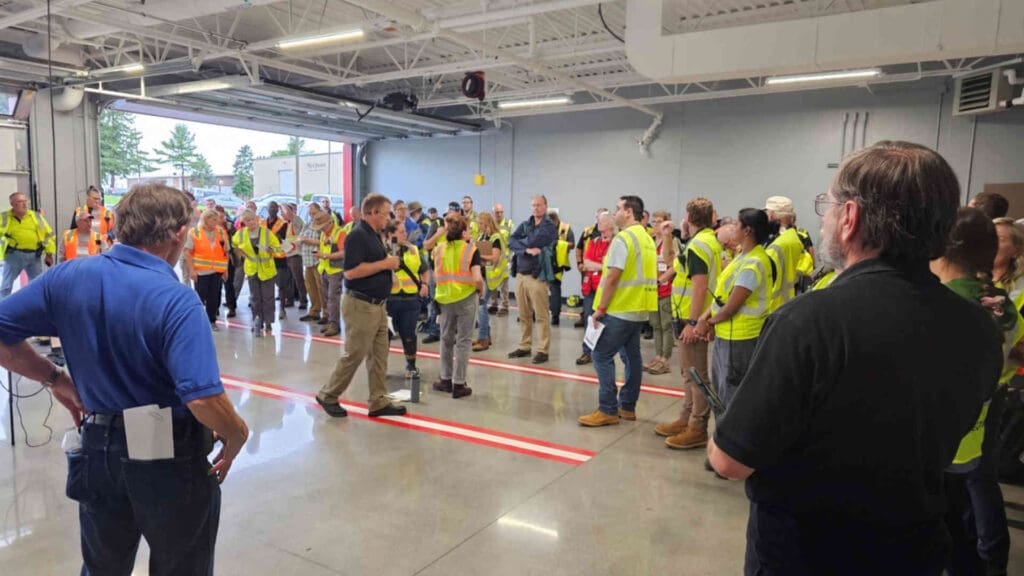
The Wisconsin All-Hazards Incident Management Team (AHIMT) played a crucial role in conducting swift damage assessments, with members from diverse fields such as law enforcement and public health. Ed Janke, the AHIMT coordinator, described the experience as “profound and demanding.”
Between August 12 and 14, AHIMT managed 140 personnel daily in Milwaukee County, backed by WEM staff and emergency personnel from various counties. They assessed nearly 5,000 homes, prompting the Governor to request FEMA’s Joint Preliminary Damage Assessments (JPDA) for potential federal assistance.
FEMA initiated the JPDA on August 19, with combined federal and local teams reviewing residential damage. Brian Cockerham, a WEM Region Director, noted the extensive damage and emphasized the need for assistance.
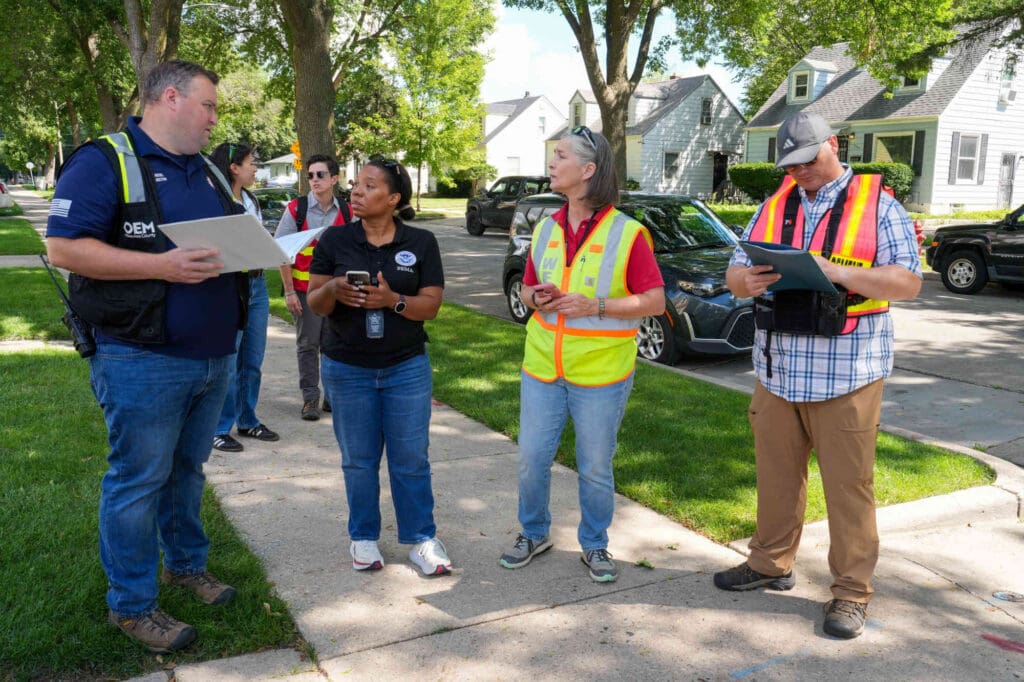
By August 27, Governor Tony Evers sought a Major Disaster Declaration, identifying over $33 million in residential damage. Meanwhile, JPDAs for Public Assistance began on September 8, assessing public sector damages across several counties. Robby Stoikes, WEM’s Recovery Planning and Support Supervisor, highlighted the team’s adept handling of virtual assessments.
The JPDA for Public Assistance concluded on September 17, confirming over $26.5 million in damages. On September 11, the federal declaration granted Individual Assistance for three counties, sparking efforts to expedite aid distribution.
Individual Assistance Begins
Leading Individual Assistance efforts, Sam Liebl, WEM recovery planner, coordinated recovery operations across affected regions. Liebl described the initial challenges, stating, “It was difficult at first. On the first day, I was in a conference room with more than a dozen FEMA staff learning who I was working with as well as a lot of information being thrown at me.” However, the team swiftly organized to ensure aid reached those in need.
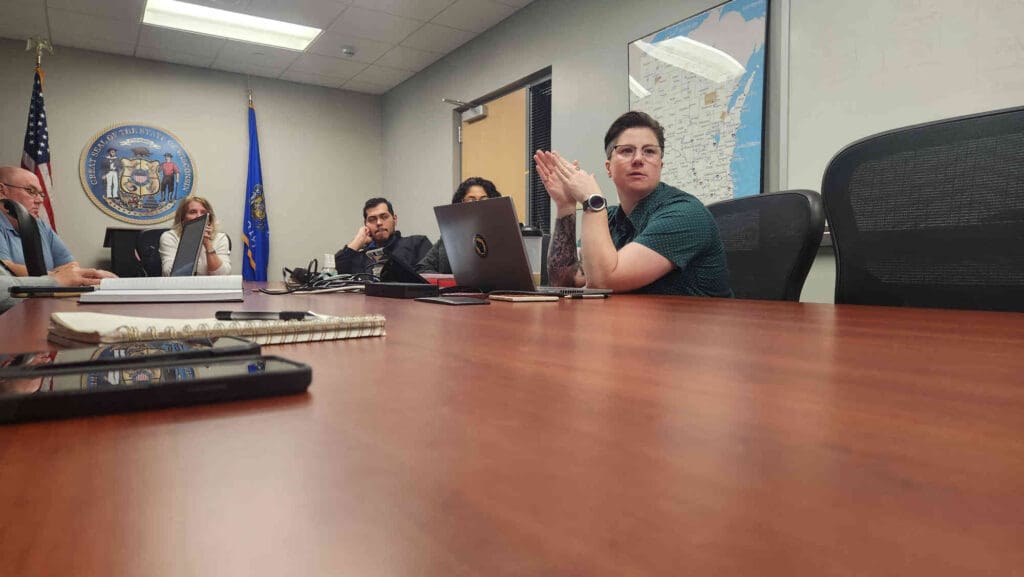
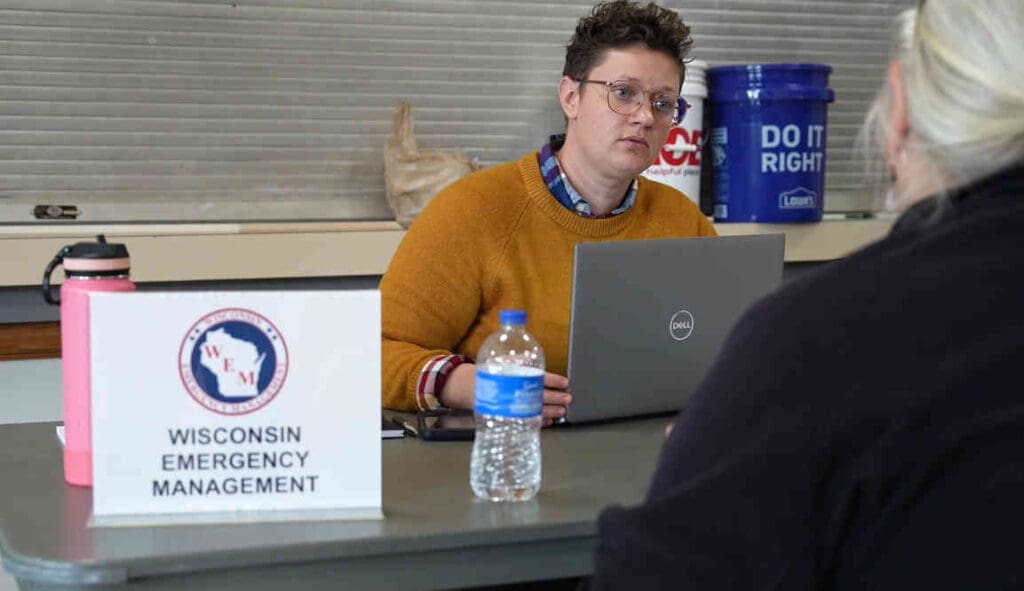
Throughout the 60-day application window, WEM organized disaster recovery centers, with staff working numerous shifts to support survivors. Maralina Nelms of WEM assisted survivors directly, emphasizing the importance of teamwork in facilitating aid distribution.
By December 19, more than $192 million had been distributed to 36,502 survivors through the IA program, with applications and appeals continuing to be processed.
Public Assistance Appeal
While progressing with IA, the state discovered its request for Public Assistance and Hazard Mitigation was initially denied. Governor Evers instructed WEM to compile additional data for an appeal. This effort uncovered over $1 million in extra damages, strengthening the case for federal aid.
“With this second round of preliminary damage assessments, the focus on documented damage in six counties that was not validated by FEMA previously,” explained Stoikes. “This could not be done without the counties and locals to get that done that allotted timeframe. A state can appeal only once, and we did everything we could to highlight the need for federal assistance.”
The appeal letter was sent by Gov. Evers on November 19 to FEMA, and as of December 19, the decision is pending.
Read More Here