University of Arizona Students Tackle Campus Safety Through Innovative Course
The University of Arizona is taking a proactive approach to campus safety with a new course aimed at improving walking and cycling conditions. Led by Joey Iuliano, a senior lecturer in Sustainable Built Environments, the course titled “Applied Active Transportation: Improving Walking and Cycling Conditions on Campus” is designed to make the university’s campus safer and more accessible.
“We started this course to provide students in planning, civil engineering, and sustainable built environments with a course focused on how to plan and design for walking and cycling,” said Iuliano.
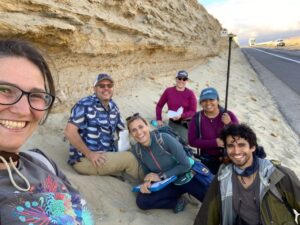
The course is a collaborative effort involving the College of Architecture, Planning and Landscape Architecture, Parking & Transportation Services, and the Office of Sustainability. Students engage in on-site observations, analyze crash and injury data, and research best practices from other universities to develop design proposals for safer and more connected campus pathways.
“Similar to last year, students will work in interdisciplinary groups of four and each group will have one corridor on campus,” Iuliano explained. This hands-on approach enables students to focus on specific campus areas, such as Second Street from Euclid Avenue to Campbell Avenue, Olive Road from Mabel Street to Sixth Street, and Highland Avenue from Mabel Street to Sixth Street.
The proposed interventions may include curb-buffered bike lanes, wider sidewalks, raised crosswalks, and green infrastructure to reduce traffic speed. These initiatives aim to enhance safety and are feasible within modest budgets.
Linus Friedman, a student in sustainable built environments, is among those enrolled in the course. “Planning for people walking and biking excites me greatly and is something sorely needed in the United States,” Friedman said. “This semester, I’m hoping to learn more in-depth specifics on how to accommodate those using active forms of transport in our cities, as well as how to ‘sell’ active transportation to city governments.”
Importance of Collaboration
Collaboration is key to the course’s success. Iuliano works closely with campus partners to identify problematic areas based on crash data and previous master plans. This ensures that student proposals are rooted in real-world challenges.
Anona Miller, the alternative transportation manager at Parking & Transportation Services, sees the course as an opportunity to blend student creativity with institutional knowledge. “Parking & Transportation’s role is to provide context, insight and guidance for potential project ideas that students might be interested in exploring,” Miller said. “We are contributing knowledge about areas that have opportunities for infrastructure improvements based on department observations, available data and community feedback.”
Miller emphasizes the importance of student perspectives in designing safer infrastructure. “Having the input of people who have direct experience walking, biking or driving through the project area is critical to safe and successful project design,” she noted.
The course gained increased interest following a tragic accident last fall near Euclid Avenue and Second Street. “I think students are really motivated about the ability to develop solutions that could get built and make a real impact on campus safety for students and the broader community,” Iuliano said.
A Proactive Approach
Parking & Transportation Services is committed to a preventative approach to transportation infrastructure and design. “The tragic accident at Euclid and Second re-emphasized the importance of maintaining a preventative, not just reactive, approach to transportation infrastructure and design,” Miller stated.
Throughout the semester, students will present proposals featuring both corridor-wide and targeted improvements. These proposals aim to offer practical, actionable solutions that can be integrated into future campus planning efforts. “Success is based on the students developing plans that directly address the issues identified in the data and that leave our campus partners going ‘this is great – let’s get going on a few of these,'” Iuliano said.
A version of this story originally appeared on the College of Architecture, Planning and Landscape Architecture website.
Read More Here