
Innovative Peptide PNA5 Offers Hope for Treating Vascular Dementia
For over a decade, researchers at the University of Arizona College of Medicine – Tucson have closely studied a peptide known as PNA5. Originally developed in the lab, this tiny peptide has shown promising potential in protecting brain cells and is now on the brink of clinical trials to assess its effectiveness in combating certain types of dementia and cognitive decline.
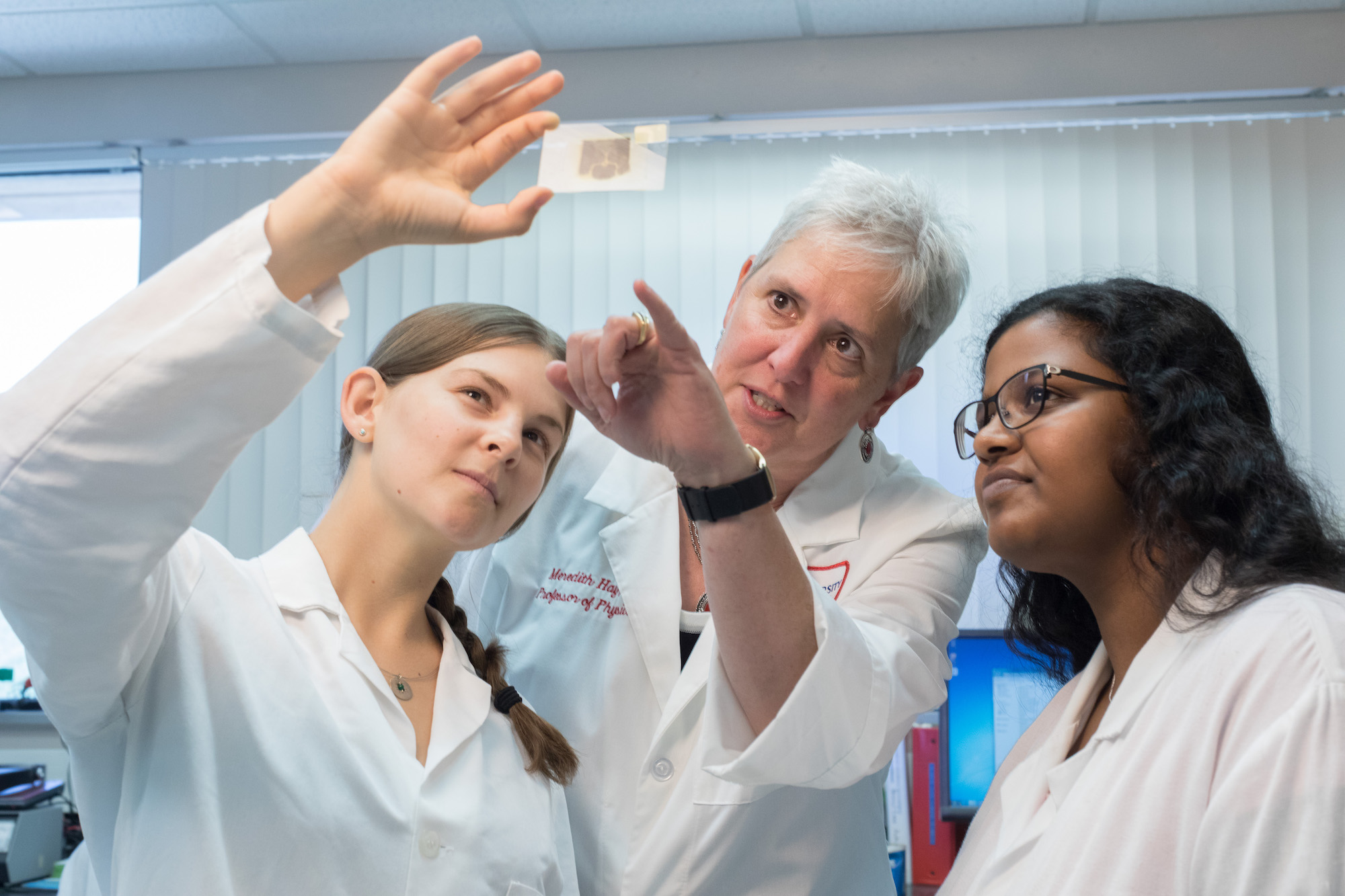
Meredith Hay, a co-inventor of PNA5 and a professor of physiology, is particularly focused on its potential to treat vascular dementia. This condition currently lacks effective treatments, and lifestyle changes often come too late for those diagnosed. “Patients are in desperate need of an effective treatment, and we are doing everything we can to help find that treatment,” Hay remarked, emphasizing the urgent need for new therapeutic options.
Understanding Vascular Dementia
Vascular dementia occurs when the brain is deprived of oxygen due to damaged blood vessels, often resulting from conditions like strokes, hypertension, and diabetes. This lack of oxygen, coupled with inflammation, leads to brain tissue damage. Hay explained, “Inflammation is part of the body’s natural repair system. If you have an injury, inflammation helps the healing process.” However, persistent inflammation can damage the blood-brain barrier, worsening the condition by allowing harmful substances to enter the brain.
The Promise of PNA5
PNA5 aims to disrupt this damaging cycle by improving blood flow and reducing inflammation in the brain. “Our work focuses on trying to intervene before irreversible loss of brain function. Our goal is not to suppress the entire immune system – PNA5 is intended to restore balance to keep the brain healthy,” Hay explained. The peptide works by attaching to a receptor, triggering chemical reactions that enhance oxygenation and reduce inflammation.
Researchers hope that PNA5 could also address other inflammatory conditions such as Parkinson’s-related cognitive decline, postoperative cognitive impairment, and chronic pain. “These are different conditions, but they share aspects of vascular dysfunction and maladaptive inflammation,” Hay noted, suggesting a broader potential for PNA5.
Advancing to Clinical Trials
PNA5 is set to undergo its first clinical trial phase, funded by a $9 million grant from the National Institute on Aging, part of the National Institutes of Health. This Phase 1 trial will involve 60 healthy volunteers receiving subcutaneous injections of PNA5 to assess safety and side effects. Success in this phase could lead to a Phase 2 trial in 2027, where the efficacy of PNA5 in treating vascular cognitive impairment and dementia will be further evaluated.
Hay, who has been dedicated to PNA5’s development for nearly 15 years, stated, “There are no shortcuts in this process. Each step has built the evidence needed to justify the next one.” Her collaboration with Tech Launch Arizona led to the patenting and licensing of the technology to ProNeurogen, Inc., a startup she co-founded to advance PNA5’s clinical journey.
Reflecting on the progress, Hay shared, “The most rewarding part is seeing a basic scientific observation move toward something that could eventually help patients and families – that’s what gets me up every day.” For her, reaching the clinical trial phase marks not an end, but the beginning of a new, challenging endeavor.
This research is supported by the National Institute on Aging of the National Institutes of Health under Award Nos. 1UG3AG104642, U01AG066623, and U01AG082617.
Read More Here









Comments are closed.