Trump Administration Alters Head Start Grant Application Language
The Trump administration’s recent directive to Head Start providers has sparked widespread concern and debate, urging them to exclude certain terms from federal grant applications. Words like “race,” “belonging,” and “pregnant people” are reportedly off-limits, a move that could significantly impact the early education landscape.
According to a coalition of organizations representing Head Start providers and parents, the Department of Health and Human Services advised a Head Start director in Wisconsin to eliminate these terms, along with nearly 200 others, from her grant application. The list includes “Black,” “Native American,” “disability,” and “women,” which are perceived by the administration as linked to diversity, equity, and inclusion (DEI) initiatives. More details on this can be found in the Associated Press report.
Ruth Friedman, former head of the Office of Child Care under President Joe Biden, commented on the situation by stating, “Grantees are sort of self-selecting out of those activities beforehand because of fear and direction they’re getting from the Office of Head Start.” This guidance, she fears, could prevent important research-based activities crucial for children’s learning from being conducted.
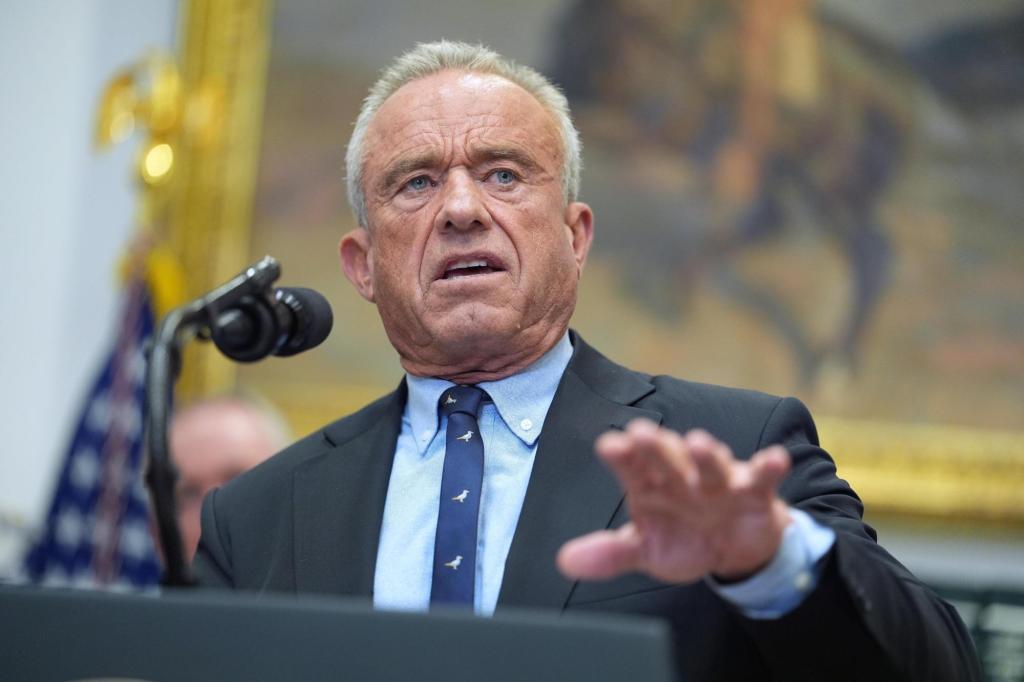
The directive has led to a lawsuit filed by parent groups and Head Start associations in Washington, Illinois, Pennsylvania, and Wisconsin against Health and Human Services Secretary Robert F. Kennedy Jr. The plaintiffs argue that the administration’s actions violate the Head Start Act, which mandates the collection of demographic information, including terms now discouraged.
Head Start, a long-established program, receives significant funding from the federal government to support low-income, foster care, and homeless families with young children. The current anti-DEI guidance, however, has led to confusion among programs operated by nonprofits, schools, and government agencies. The grant application itself requests demographic data, which necessitates the use of many of the now-discouraged terms.
One Head Start director in Wisconsin described the dilemma in court filings, stating, “This has put me in an impossible situation.” She faces the risk of losing her grant if she uses the banned words, yet complying with the current guidance might result in penalties for violating the law.
Further implications of the directive have been seen in a Head Start on a Native American reservation in Washington state. Here, the guidance led to the elimination of staff training designed to support autistic children and those with trauma. In addition, the center was instructed to stop prioritizing tribal members for enrollment, despite the Head Start Act allowing such prioritization, as the term “Tribal” is also discouraged.
The new rules are perceived by some as an attempt to undermine a program that has enjoyed bipartisan support but has faced criticism from some conservative quarters. Jennesa Calvo-Friedman of the ACLU, representing the plaintiffs, stated, “They don’t believe these public programs should actually be open to serving all communities.” She argues that banning specific words is an attempt to erode the program’s foundational principles.
In the early days of Trump’s presidency, an attempt to halt all federal grants in a bid to eliminate DEI efforts was reversed, but not before causing funding issues for some grantees. The Government Accountability Office later determined that these delays contravened the Impoundment Control Act, which regulates the president’s ability to withhold government funds.
The Associated Press’ education coverage receives financial support from multiple private foundations. AP is solely responsible for all content. Find AP’s standards for working with philanthropies, a list of supporters and funded coverage areas at AP.org.
Read More Here