
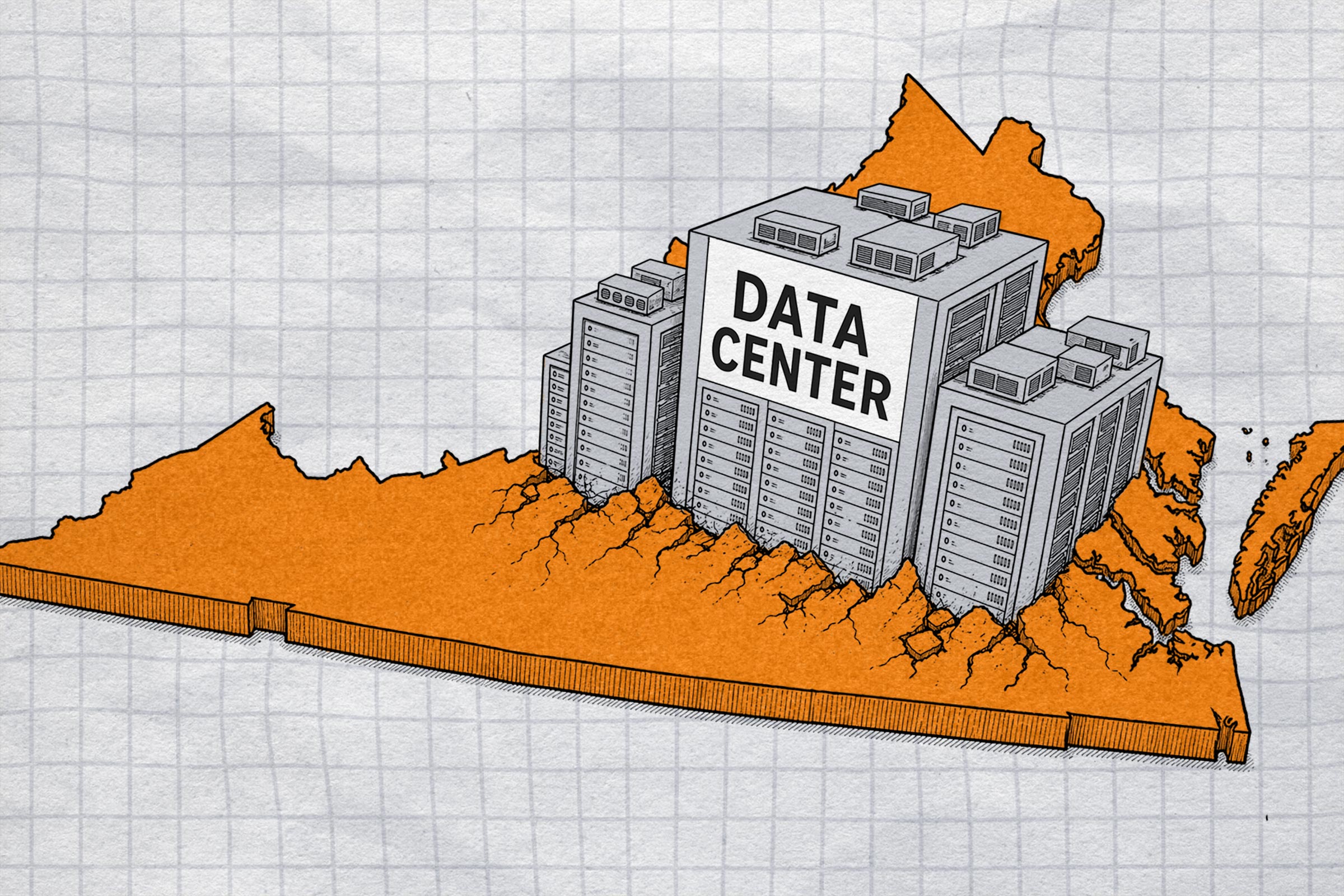
Efforts to restrict or prohibit data centers are gaining momentum across several states due to their substantial energy and water consumption. These massive facilities are drawing legislative attention for their environmental impact.
According to the National Conference of State Legislators, 14 states are currently considering measures against data centers. Maine has recently led the charge by passing the first statewide ban on large-scale data centers.
Known as the data center capital of the world, Northern Virginia hosts the highest concentration of these facilities globally. To delve deeper into the implications and challenges, UVA Today consulted legal experts from the University of Virginia School of Law, Professors Richard Schragger and Cale Jaffe. They oversee the PLACE: Program in Law, Communities and Environment, guiding students to become environmental leaders.
Environmental Concerns and Energy Strain
Why are some states pushing back on data center growth?
Schragger: “Policymakers are worried about the environmental impact of data centers, especially their heavy use of electricity and water. Noise pollution and wastewater discharge have raised concerns locally. Rising electricity rates for residential consumers are also causing some states to consider limits. Data center energy use also contributes to global warming.”
What is driving the surge in attention to data centers right now?
Jaffe: “What is really driving this has just been the magnitude of electricity that data centers consume, which puts unprecedented stress on how our electric utility system has been developed, how costs are shared and how infrastructure is built.”
Impact on Electricity and Costs
How do data centers affect electricity costs?
Schragger: “The data center’s use of electricity is putting strain on the grid and increasing the cost of electricity to consumers.”
Jaffe: “Electricity costs are apportioned to different classes of customers: residential, industrial and so on. Each class is supposed to pay for the costs that they cause the system to incur. But doing that – avoiding cross-subsidies among customer classes – is easier said than done.”
Energy Demand of Data Centers
How large is the energy demand from a typical data center, and specifically in Virginia?
Jaffe: “A town of about 10,000 people typically consumes about 10 megawatts of power. A standard request now for a single data center campus, asking to interconnect to the grid, is for 300 megawatts. So that is roughly equivalent to 300,000 people. By the end of 2024, Virginia already had more data center demand in terms of electricity consumption than Tokyo, London and San Francisco combined.”
Role of Tax Incentives
What role have tax incentives played in the growth of data centers?
Schragger: “The original idea was to offer tax incentives to data centers to encourage their development here, which it did. By some counts, the state has hundreds of data centers, mostly located in Northern Virginia.”
Jaffe: “Back in 2008, when Tim Kaine was governor, he signed a law to establish a tax credit to induce data center development in Virginia. As the industry has grown, the portion of the state’s budget devoted to that credit has grown substantially.”
Regulatory Measures
What legal tools do governments have to regulate data centers?
Schragger: “States can impose a moratorium on data center construction, and local governments have land-use and zoning authority. Data center developers need the cooperation of local and state authorities to obtain permits and land-use approvals.”
Environmental Impact and Community Risks
What are the environmental impacts of data centers?
Jaffe: “The energy demand strains efforts to decarbonize the electricity grid, something state law requires us to do by 2050. And backup generators in data centers are often powered by diesel fuel, which leads to more smog and soot-forming pollution in communities adjacent to data center clusters.”
What risks do communities face if too many data centers are built?
Schragger: “There could be an oversupply of data centers, and some communities could find that they have a data center that is not viable because they have overbuilt.”
Read More Here






![Robert Harmon Celebrates 99th Birthday at UVA’s Homecomings Weekend[embed]https://www.youtube.com/watch?v=c_VPFnE8x-w[/embed]](https://realnewsfast.com/wp-content/uploads/2026/10/Robert-Harmon-Celebrates-99th-Birthday-at-UVAs-Homecomings-Weekendembedhttpswwwyoutubecomwatchvc_VPFnE8x-wembed-300x200.jpg "Robert Harmon Celebrates 99th Birthday at UVA’s Homecomings Weekend[embed]https://www.youtube.com/watch?v=c_VPFnE8x-w[/embed]")
![Environmental Opera “Auksalaq” Opens UVA’s Arts on the Hill Series[embed]https://www.youtube.com/watch?v=PjYuP9wh3Hw[/embed]](https://realnewsfast.com/wp-content/uploads/2026/10/Environmental-Opera-Auksalaq-Opens-UVAs-Arts-on-the-Hill-SeriesembedhttpswwwyoutubecomwatchvPjYuP9wh3Hwembed-300x200.jpg "Environmental Opera “Auksalaq” Opens UVA’s Arts on the Hill Series[embed]https://www.youtube.com/watch?v=PjYuP9wh3Hw[/embed]")
![New documentary explores Elizabeth Holmes’ final days before prison[embed]https://www.youtube.com/watch?v=GGJSRFWALTI[/embed]](https://realnewsfast.com/wp-content/uploads/2026/10/New-documentary-explores-Elizabeth-Holmes-final-days-before-prisonembedhttpswwwyoutubecomwatchvGGJSRFWALTIembed-300x200.jpg "New documentary explores Elizabeth Holmes’ final days before prison[embed]https://www.youtube.com/watch?v=GGJSRFWALTI[/embed]")