
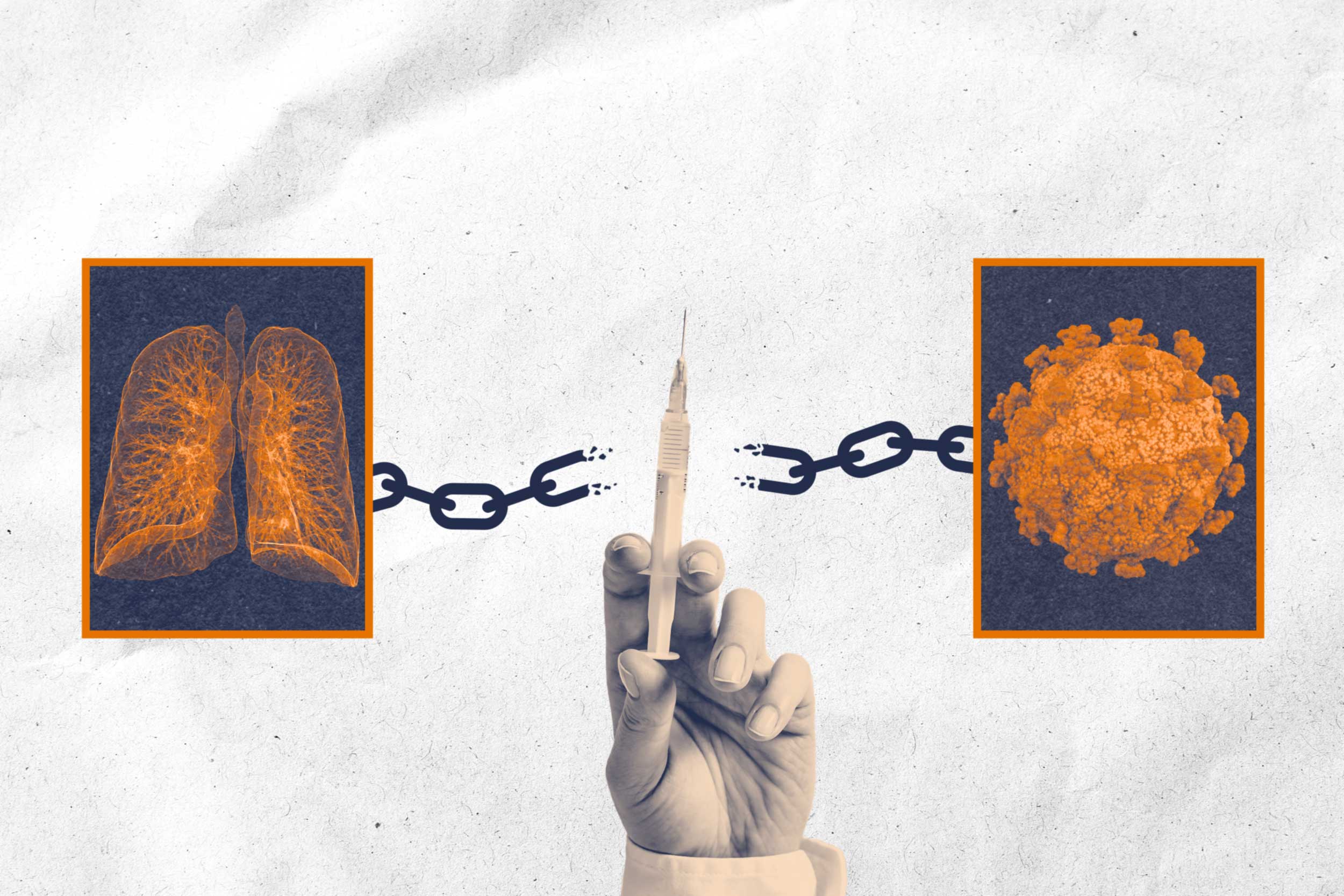
Recent studies have uncovered a startling connection between severe viral infections and the development of lung cancer. Researchers at the University of Virginia (UVA) have found that infections such as COVID-19, flu, and pneumonia could potentially “reprogram” immune cells in the lungs, creating conditions that allow cancer to develop months or even years later.
This revelation has prompted scientists to recommend vigilant monitoring of patients who have recovered from these serious illnesses. Early detection of lung cancer is crucial for effective treatment.
Understanding the Cancer Connection
Severe respiratory infections are known to damage the lungs, but their long-term implications for cancer risk have remained unclear until now. The team led by UVA’s Sun conducted studies on both mice and human patients, revealing a link between serious lung infections and increased risk of lung cancer development and mortality.
Analysis of patient data indicated that individuals hospitalized with COVID-19 were more likely to develop lung cancer later, regardless of their smoking history or other pre-existing health conditions.
Dr. Jeffrey Sturek, a collaborator in the study, stated, “We’ve known for a long time that things like smoking increase the risk for lung cancer. The results of this study suggest that we may need to consider severe respiratory viral infections similarly.”
For high-risk patients, particularly those with a history of smoking, doctors currently recommend regular CT scans to catch lung cancer early. This study suggests a similar approach might be necessary for those who have suffered severe viral infections.
The research also shed light on the mechanisms behind the increased cancer risk. In mice, severe infections disrupted immune cells that usually protect the lungs, creating inflammation that could foster tumor growth. Additionally, the infections led to alterations in the cells lining the lungs and air sacs.
Mitigation Through Vaccination
The study brings some good news: vaccination appears to offer protection against these cancer-promoting changes. It helps the immune system tackle infections before they reach a severe stage. Importantly, the heightened cancer risk was only observed in individuals hospitalized due to severe COVID-19, not in those who had mild cases.
Nevertheless, experts caution that many who have survived severe COVID-19 or other serious respiratory illnesses may face a heightened lung cancer risk in the future. Researchers emphasized in a recent scientific paper that “Individuals recovering from severe viral pneumonia, particularly those with a smoking history, may benefit from enhanced lung cancer surveillance.” They also highlighted the potential indirect cancer protection benefits of vaccination.
Sun and his colleagues believe their findings could aid doctors in identifying patients at risk for viral lung cancer, thus enabling earlier intervention and treatment. “Our goal is to help doctors identify who may be at higher risk of lung cancer after a severe infection, and develop targeted ways to prevent and treat lung cancer after prior pneumonia,” Sun stated. He further mentioned that vaccines might not only prevent immediate hospitalizations due to infections but also mitigate long-term consequences like immune system damage that increases cancer risk.
The research received support from various institutions including the National Institutes of Health and the American Lung Association, among others.
Read More Here



![Robert Harmon Celebrates 99th Birthday at UVA’s Homecomings Weekend[embed]https://www.youtube.com/watch?v=c_VPFnE8x-w[/embed]](https://realnewsfast.com/wp-content/uploads/2026/10/Robert-Harmon-Celebrates-99th-Birthday-at-UVAs-Homecomings-Weekendembedhttpswwwyoutubecomwatchvc_VPFnE8x-wembed-300x200.jpg "Robert Harmon Celebrates 99th Birthday at UVA’s Homecomings Weekend[embed]https://www.youtube.com/watch?v=c_VPFnE8x-w[/embed]")
![Environmental Opera “Auksalaq” Opens UVA’s Arts on the Hill Series[embed]https://www.youtube.com/watch?v=PjYuP9wh3Hw[/embed]](https://realnewsfast.com/wp-content/uploads/2026/10/Environmental-Opera-Auksalaq-Opens-UVAs-Arts-on-the-Hill-SeriesembedhttpswwwyoutubecomwatchvPjYuP9wh3Hwembed-300x200.jpg "Environmental Opera “Auksalaq” Opens UVA’s Arts on the Hill Series[embed]https://www.youtube.com/watch?v=PjYuP9wh3Hw[/embed]")
![New documentary explores Elizabeth Holmes’ final days before prison[embed]https://www.youtube.com/watch?v=GGJSRFWALTI[/embed]](https://realnewsfast.com/wp-content/uploads/2026/10/New-documentary-explores-Elizabeth-Holmes-final-days-before-prisonembedhttpswwwyoutubecomwatchvGGJSRFWALTIembed-300x200.jpg "New documentary explores Elizabeth Holmes’ final days before prison[embed]https://www.youtube.com/watch?v=GGJSRFWALTI[/embed]")