
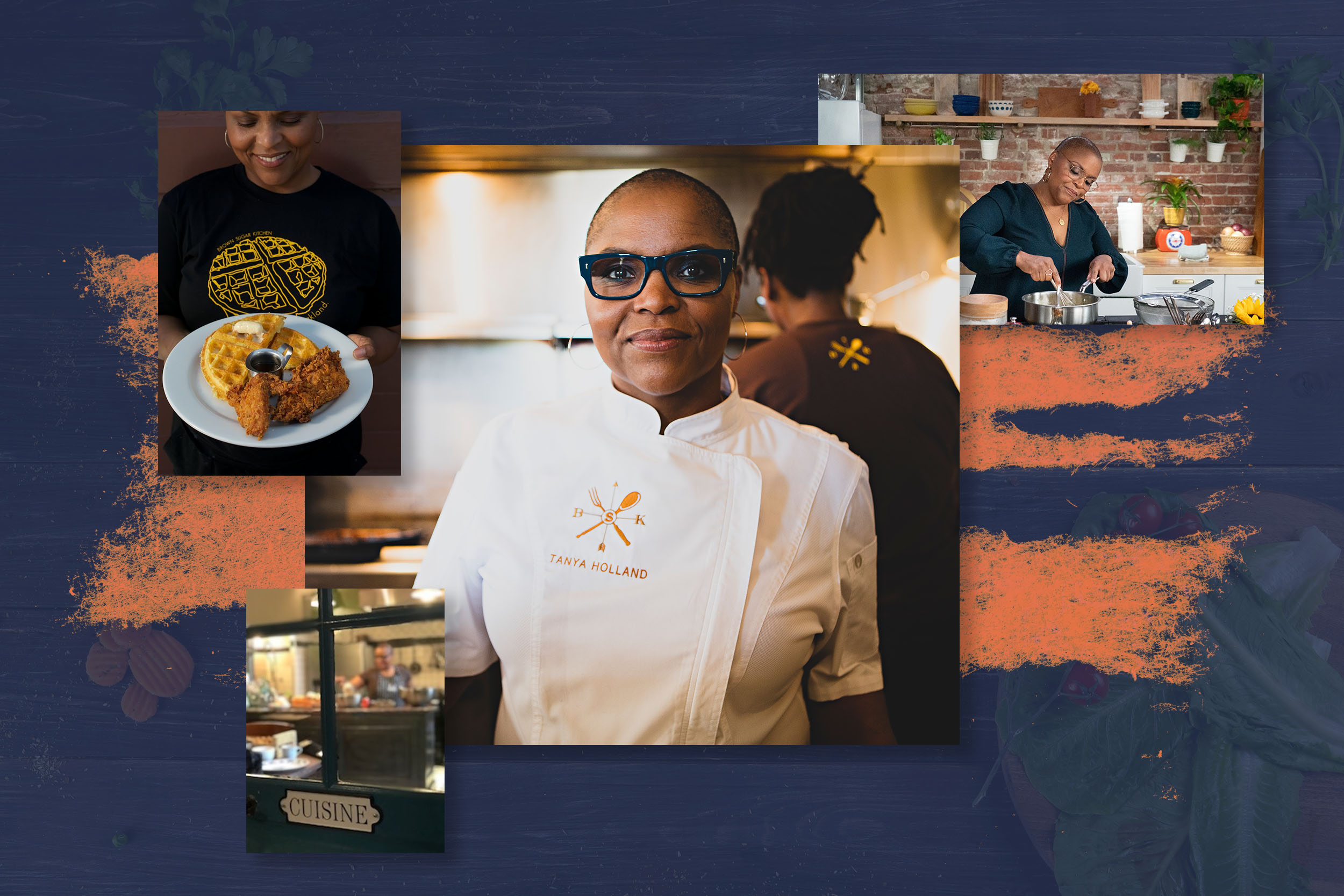
A Culinary Journey: From Russian Literature to Virginia’s Kitchen
Tanya Holland’s educational path at the University of Virginia in the 1980s was far from traditional for a future chef. Graduating in 1987 with a degree in Russian language and literature, she would later find this academic background to be a surprising asset in her eventual culinary career.
Reflecting on her academic journey, Holland noted, “I had applied to all science programs, math programs, and I got here, and I wasn’t interested. I wasn’t doing well,” but she found success and passion in Russian studies, which sparked her love for culture and language.
This enthusiasm for cultural connections inadvertently set the stage for her culinary endeavors. Now, Holland is returning to the University of Virginia to lead a course titled From Hemings to Holland. This 10-day course, offering three credits, explores the historical progression of Virginia’s culinary traditions, starting with James Hemings, an enslaved chef trained in France, up to Holland’s contemporary influence in California and beyond.
Holland explains her interest in Hemings: “I have learned about James Hemings and his contributions over the years that I’ve been in the industry.” The course title, she adds, links her own journey with Hemings in a play on words that offers a deeper connection through shared culinary techniques.
The course promises an immersive experience, featuring guest speakers and interactive sessions. Tanya Holland herself describes the course as “incredibly interesting,” with plans for students to engage in hands-on cooking, learn French culinary techniques, and explore Monticello with behind-the-scenes tours. Holland is eager to share insights from her career, including stories of her first restaurant, Brown Sugar Kitchen, and her experiences on “Top Chef.”
Holland’s culinary training in France, much like Hemings’ own path, is a testament to her mastery of classic French techniques such as stocks and sauces. She often connects these techniques to familiar dishes, noting, “Bechamel, which is the base for a creamy macaroni and cheese,” highlighting the historical lineage these culinary foundations represent.
The course is designed to be interdisciplinary, integrating elements of culinary history, sustainable agriculture, and Virginia wine culture. Students will have the opportunity to visit local sites like Monticello and King Family Vineyards, enriching their understanding of regional culinary practices.
Esteemed guest speakers will enhance the curriculum, including Michael Twitty, a James Beard Award-winning food writer, and Leni Sorensen, a nationally recognized culinary historian. Their expertise will provide students with a comprehensive understanding of the intersection between food, agriculture, and culture in the American South.
Holland emphasizes the importance of understanding history in the culinary world. “The restaurant business is very interdisciplinary,” she says. “You have to know history – you want to know who and what came before you. That’s how you innovate, and that’s how you continue to create.”
Read More Here



![Robert Harmon Celebrates 99th Birthday at UVA’s Homecomings Weekend[embed]https://www.youtube.com/watch?v=c_VPFnE8x-w[/embed]](https://realnewsfast.com/wp-content/uploads/2026/10/Robert-Harmon-Celebrates-99th-Birthday-at-UVAs-Homecomings-Weekendembedhttpswwwyoutubecomwatchvc_VPFnE8x-wembed-300x200.jpg "Robert Harmon Celebrates 99th Birthday at UVA’s Homecomings Weekend[embed]https://www.youtube.com/watch?v=c_VPFnE8x-w[/embed]")
![Environmental Opera “Auksalaq” Opens UVA’s Arts on the Hill Series[embed]https://www.youtube.com/watch?v=PjYuP9wh3Hw[/embed]](https://realnewsfast.com/wp-content/uploads/2026/10/Environmental-Opera-Auksalaq-Opens-UVAs-Arts-on-the-Hill-SeriesembedhttpswwwyoutubecomwatchvPjYuP9wh3Hwembed-300x200.jpg "Environmental Opera “Auksalaq” Opens UVA’s Arts on the Hill Series[embed]https://www.youtube.com/watch?v=PjYuP9wh3Hw[/embed]")
![New documentary explores Elizabeth Holmes’ final days before prison[embed]https://www.youtube.com/watch?v=GGJSRFWALTI[/embed]](https://realnewsfast.com/wp-content/uploads/2026/10/New-documentary-explores-Elizabeth-Holmes-final-days-before-prisonembedhttpswwwyoutubecomwatchvGGJSRFWALTIembed-300x200.jpg "New documentary explores Elizabeth Holmes’ final days before prison[embed]https://www.youtube.com/watch?v=GGJSRFWALTI[/embed]")