
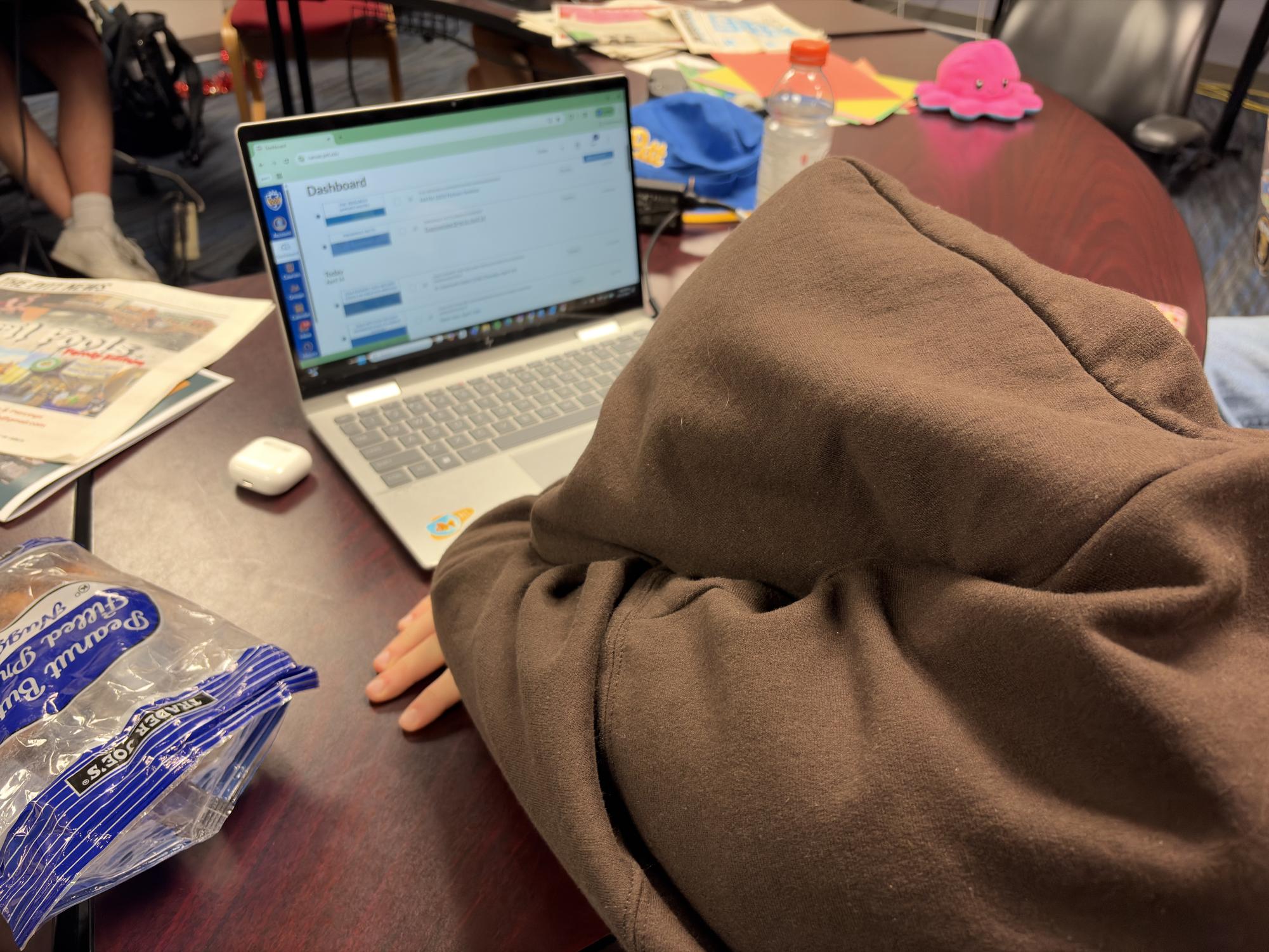
As the semester draws to a close, University of Pittsburgh students are starting to feel the toll of continuous academic pressure. This common feeling of burnout is characterized by physical, emotional, or mental exhaustion after prolonged exposure to stress, according to the American Psychological Association. It’s a phenomenon that many college students face, especially when finals approach.
Anna Marsland, a psychology professor at Pitt, notes that students experiencing exhaustion, stress, and emotional drain may be dealing with academic burnout. “Many college students can experience feeling burned out, especially at the end of term,” Marsland said.
Gabi Pedrosa, a first-year public health student, expressed her concern about burnout due to the upcoming finals. “I know that it’s gonna get crazy soon,” Pedrosa said. “I just feel like it’s an impending doom with finals.” She attributes her burnout to the relentless pursuit of academic validation, which leaves her feeling unmotivated to engage in any activities. “I don’t want to do school work. I can’t even go out with my friends and party,” she added.
Dakota Engel, a sophomore nursing major, shares similar sentiments as the semester ends. “This semester, I feel unmotivated, and there’s a lot going on,” Engel said. She describes the routine as becoming mundane due to the constant pace of academic life.
To combat this exhaustion, Marsland emphasizes the importance of individualized strategies. These can include planning assignments ahead, maintaining a balance between academic tasks and self-care activities like exercise, regular sleep, and a healthy diet. “The challenge is to act in ways that encourage the feeling to pass rather than doing things that may make the feeling worse,” Marsland explained.
Cassandra Long, assistant director for strategic programs in the Division of Student Affairs, advises students to seek help from the University Counseling Center before issues escalate. “Don’t wait until things get worse. Be intentional about rest, set limits on what you take on and lean on your social support,” Long said. The center offers various wellness resources to help students manage and prevent burnout, including individual counseling and peer support spaces.
Pedrosa manages her burnout by engaging in hobbies such as reading and crafting. Engel, having experienced similar feelings previously, plans to recuperate over the summer. “[I feel burned out] at the end of semesters, but it’s temporary,” Engel said. “It goes away once I get a break.” She prioritizes her personal life alongside her academic responsibilities to mitigate burnout symptoms. “It’s important to get your mind off things that cause burnout,” Engel advised.
Read More Here







Be First to Comment