
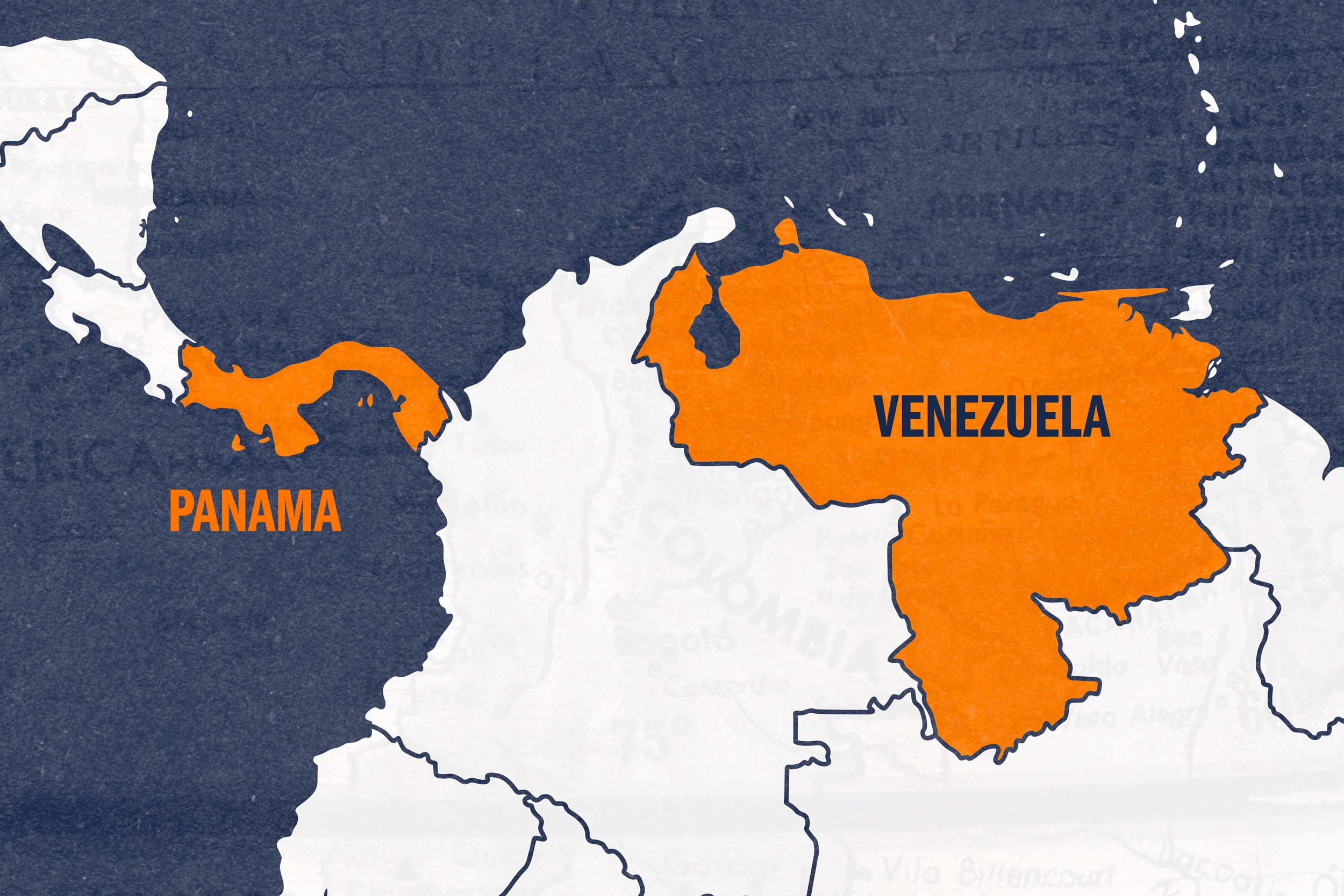
The arrest of Venezuelan President Nicolás Maduro, following a U.S. military intervention in Venezuela, has sparked discussions reminiscent of a historical event from the late 1980s. Many are drawing parallels between this recent operation and the U.S. invasion of Panama in 1989, which culminated in the capture of Manuel Noriega.
To delve deeper into these comparisons, UVA Today consulted with Robert A. Strong, an expert from the Miller Center of Public Affairs, who also serves as an emeritus professor at Washington and Lee University.
Insights into the U.S. Invasion of Panama
In 1989, Manuel Noriega’s regime in Panama faced widespread opposition from the American public. Renowned investigative journalist Seymour Hersh had released a detailed report exposing Noriega’s involvement in severe human rights violations and political murders.
Opposition to Noriega was bipartisan, with both Democratic Senator John Kerry and Republican Senator Jesse Helms taking a stand against him by blocking U.S. aid to Panama. This action was in response to Panama’s involvement in drug trafficking to the United States. Additionally, Noriega faced legal challenges in the U.S., with two grand juries indicting him on charges related to money laundering and drug trafficking.
The situation escalated when international observers, including former President Jimmy Carter, reported electoral fraud in Panama’s 1989 elections. The violent aftermath, where an opposition candidate was attacked, further fueled global outrage, particularly after images of the incident circulated widely.
Trigger for U.S. Military Action
The U.S. military intervention in Panama was prompted by a violent incident on December 16, 1989. American servicemen, off-duty and driving near a roadblock in Panama City, were fired upon by Panamanian military personnel. This attack resulted in the death of one serviceman and injuries to another. A naval officer and his wife, who witnessed the shooting, were subsequently detained and mistreated.
Upon learning of these events, President George H.W. Bush decided to initiate military action, which ultimately led to Noriega’s arrest and the restoration of stability in the region.
Read More Here


![Robert Harmon Celebrates 99th Birthday at UVA’s Homecomings Weekend[embed]https://www.youtube.com/watch?v=c_VPFnE8x-w[/embed]](https://realnewsfast.com/wp-content/uploads/2026/10/Robert-Harmon-Celebrates-99th-Birthday-at-UVAs-Homecomings-Weekendembedhttpswwwyoutubecomwatchvc_VPFnE8x-wembed-300x200.jpg "Robert Harmon Celebrates 99th Birthday at UVA’s Homecomings Weekend[embed]https://www.youtube.com/watch?v=c_VPFnE8x-w[/embed]")
![Environmental Opera “Auksalaq” Opens UVA’s Arts on the Hill Series[embed]https://www.youtube.com/watch?v=PjYuP9wh3Hw[/embed]](https://realnewsfast.com/wp-content/uploads/2026/10/Environmental-Opera-Auksalaq-Opens-UVAs-Arts-on-the-Hill-SeriesembedhttpswwwyoutubecomwatchvPjYuP9wh3Hwembed-300x200.jpg "Environmental Opera “Auksalaq” Opens UVA’s Arts on the Hill Series[embed]https://www.youtube.com/watch?v=PjYuP9wh3Hw[/embed]")
![New documentary explores Elizabeth Holmes’ final days before prison[embed]https://www.youtube.com/watch?v=GGJSRFWALTI[/embed]](https://realnewsfast.com/wp-content/uploads/2026/10/New-documentary-explores-Elizabeth-Holmes-final-days-before-prisonembedhttpswwwyoutubecomwatchvGGJSRFWALTIembed-300x200.jpg "New documentary explores Elizabeth Holmes’ final days before prison[embed]https://www.youtube.com/watch?v=GGJSRFWALTI[/embed]")