By HEATHER HOLLINGSWORTH and JACK BROOK
In a troubling incident in Thibodaux, Louisiana, artificial intelligence technology played a central role in circulating explicit images of minors, leading to severe consequences for those involved. The ordeal began when AI-generated nude images of a 13-year-old girl and her friends were shared among students at a local middle school. These images, which were spread via Snapchat, sparked a series of events that highlighted the challenges schools face in dealing with cyberbullying and AI technology.
Despite the efforts of school staff and law enforcement, the images were difficult to trace due to the nature of the app, which deletes messages shortly after they are viewed. The school principal initially questioned the existence of the images, leading to frustration and anger from the students affected. The situation escalated when the girl, overwhelmed by the bullying, physically confronted a boy on the school bus, resulting in her suspension and transfer to an alternative school.
AI Deepfakes and Their Impact
The incident underscores the potential dangers of AI deepfakes in disrupting the lives of young students. While schools have been focusing on integrating AI into educational settings, they have often overlooked the implications for harassment and cyberbullying. Sergio Alexander, a research associate at Texas Christian University, pointed out the gap between the pace of technological adoption and the ability of adults to address its harmful uses. “When we ignore the digital harm, the only moment that becomes visible is when the victim finally breaks,” Alexander noted.
An Investigation with Challenges
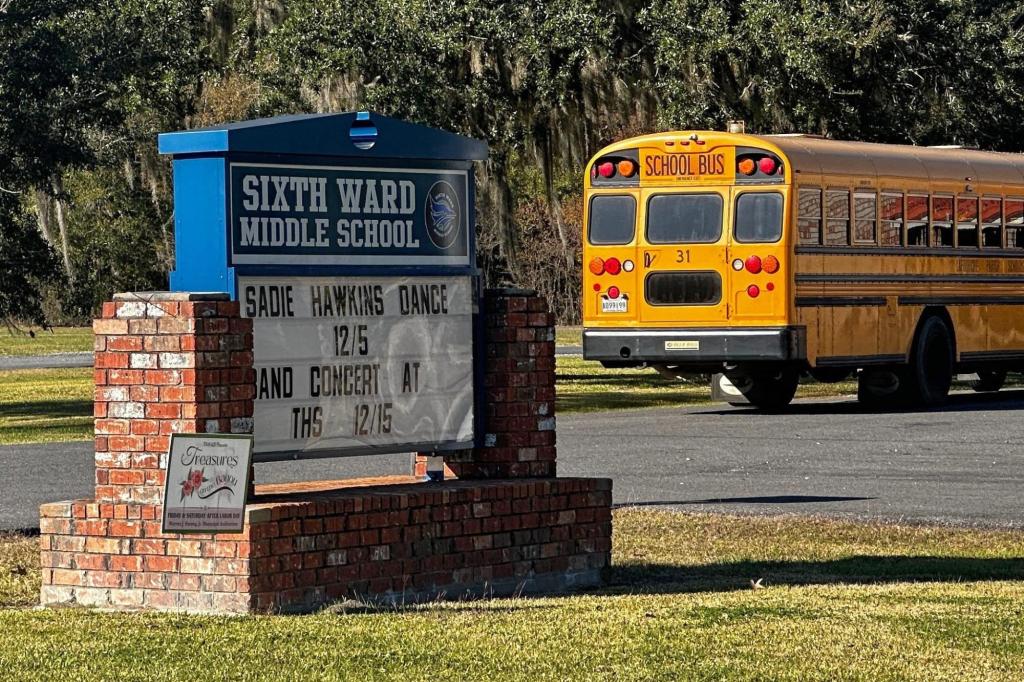
Attempts to investigate the incident at Sixth Ward Middle School were met with obstacles. The principal reported that no student admitted to the offense, and the deputy assigned to the school could not locate the images online. Despite these difficulties, a subsequent investigation revealed that AI-generated images of eight female students and two adults had been circulated. The girl’s father, Joseph Daniels, described the images as “full nudes with her face put on them.”
The school’s response was criticized for being slow and insufficient. The district’s policies on artificial intelligence were still in development, and existing cyberbullying training had not been updated to address AI-generated content. The school ultimately expelled the girl for her involvement in the bus altercation, although the sheriff’s department charged two boys for sharing the images.
The Fallout and Ongoing Consequences
The impact on the girl was profound; she experienced significant distress, leading to depression and anxiety. Her father reported that she struggled to keep up with schoolwork and began skipping meals. Legal actions and appeals were initiated, resulting in her eventual return to her previous school on probation, but the repercussions of the incident continue to affect her daily life.
The case highlights the need for schools to better prepare for the integration of emerging technologies and to develop comprehensive policies to protect students from digital harm. As the prevalence of AI deepfakes increases, educational institutions must adapt to ensure the safety and well-being of their students.
The Associated Press’ education coverage receives financial support from multiple private foundations. AP is solely responsible for all content. Find AP’s standards for working with philanthropies, a list of supporters and funded coverage areas at AP.org.
Hollingsworth reported from Mission, Kansas.
Read More Here