
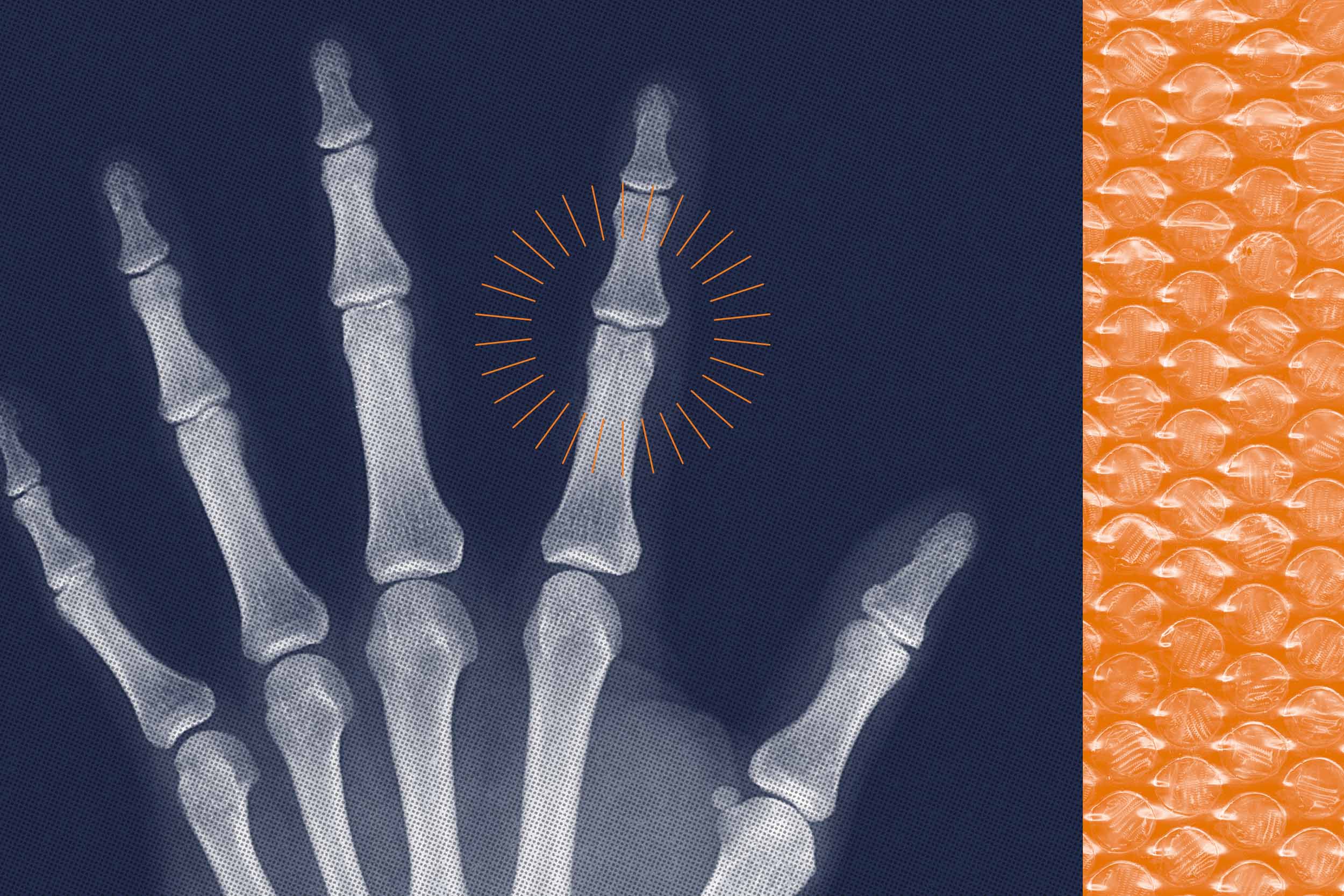
The familiar sound of joints cracking can be heard in many settings, whether it’s the workplace or the comfort of your home. From the subtle pop of a knee in motion to the snap of knuckles, joint noises are a common occurrence.
To shed light on why joints make these sounds and what they signify, UVA Today consulted with Susan Saliba, a professor at the University of Virginia’s School of Education and Human Development. Saliba, who also co-directs the Exercise and Sports Injury Laboratory, offered insights into the mechanics behind joint noises and the implications for activity and health.
What Causes Joint Noises?
According to Saliba, two primary factors contribute to the noises joints produce. The first is a phenomenon similar to cracking knuckles, where microscopic gas bubbles exist within the synovial fluid of joints. When a joint is “distracted,” these gas bubbles consolidate and burst due to the negative pressure, resulting in a popping sound. This process, known as cavitation, can offer temporary relief by reducing pressure on joint receptors.
The second cause of joint noise is friction. Bursae, which are fluid-filled sacs, allow smooth movement over bony projections. However, overuse can lead to friction, causing these structures to produce more fluid and swell. Although this friction can be felt, people often continue activities like running or painting, leading to increased friction and swelling. While the pain might subside over time, the popping and clicking sounds may persist.
Exercising with Osteoarthritis
Saliba emphasizes that osteoarthritis should not deter individuals from staying active. In fact, maintaining movement is crucial for overall health and helps the joint fluid reduce friction and nourish joint surfaces. Avoiding activity due to pain can lead to negative consequences such as decreased mobility, loss of strength, weight gain, and poor health. Many people experience a decline in general health due to inactivity and the fear of pain.
Therefore, continuing to exercise, even with osteoarthritis, plays a vital role in managing joint health and maintaining a healthy lifestyle.
Read More Here






![Robert Harmon Celebrates 99th Birthday at UVA’s Homecomings Weekend[embed]https://www.youtube.com/watch?v=c_VPFnE8x-w[/embed]](https://realnewsfast.com/wp-content/uploads/2026/10/Robert-Harmon-Celebrates-99th-Birthday-at-UVAs-Homecomings-Weekendembedhttpswwwyoutubecomwatchvc_VPFnE8x-wembed-300x200.jpg "Robert Harmon Celebrates 99th Birthday at UVA’s Homecomings Weekend[embed]https://www.youtube.com/watch?v=c_VPFnE8x-w[/embed]")
![Environmental Opera “Auksalaq” Opens UVA’s Arts on the Hill Series[embed]https://www.youtube.com/watch?v=PjYuP9wh3Hw[/embed]](https://realnewsfast.com/wp-content/uploads/2026/10/Environmental-Opera-Auksalaq-Opens-UVAs-Arts-on-the-Hill-SeriesembedhttpswwwyoutubecomwatchvPjYuP9wh3Hwembed-300x200.jpg "Environmental Opera “Auksalaq” Opens UVA’s Arts on the Hill Series[embed]https://www.youtube.com/watch?v=PjYuP9wh3Hw[/embed]")
![New documentary explores Elizabeth Holmes’ final days before prison[embed]https://www.youtube.com/watch?v=GGJSRFWALTI[/embed]](https://realnewsfast.com/wp-content/uploads/2026/10/New-documentary-explores-Elizabeth-Holmes-final-days-before-prisonembedhttpswwwyoutubecomwatchvGGJSRFWALTIembed-300x200.jpg "New documentary explores Elizabeth Holmes’ final days before prison[embed]https://www.youtube.com/watch?v=GGJSRFWALTI[/embed]")