
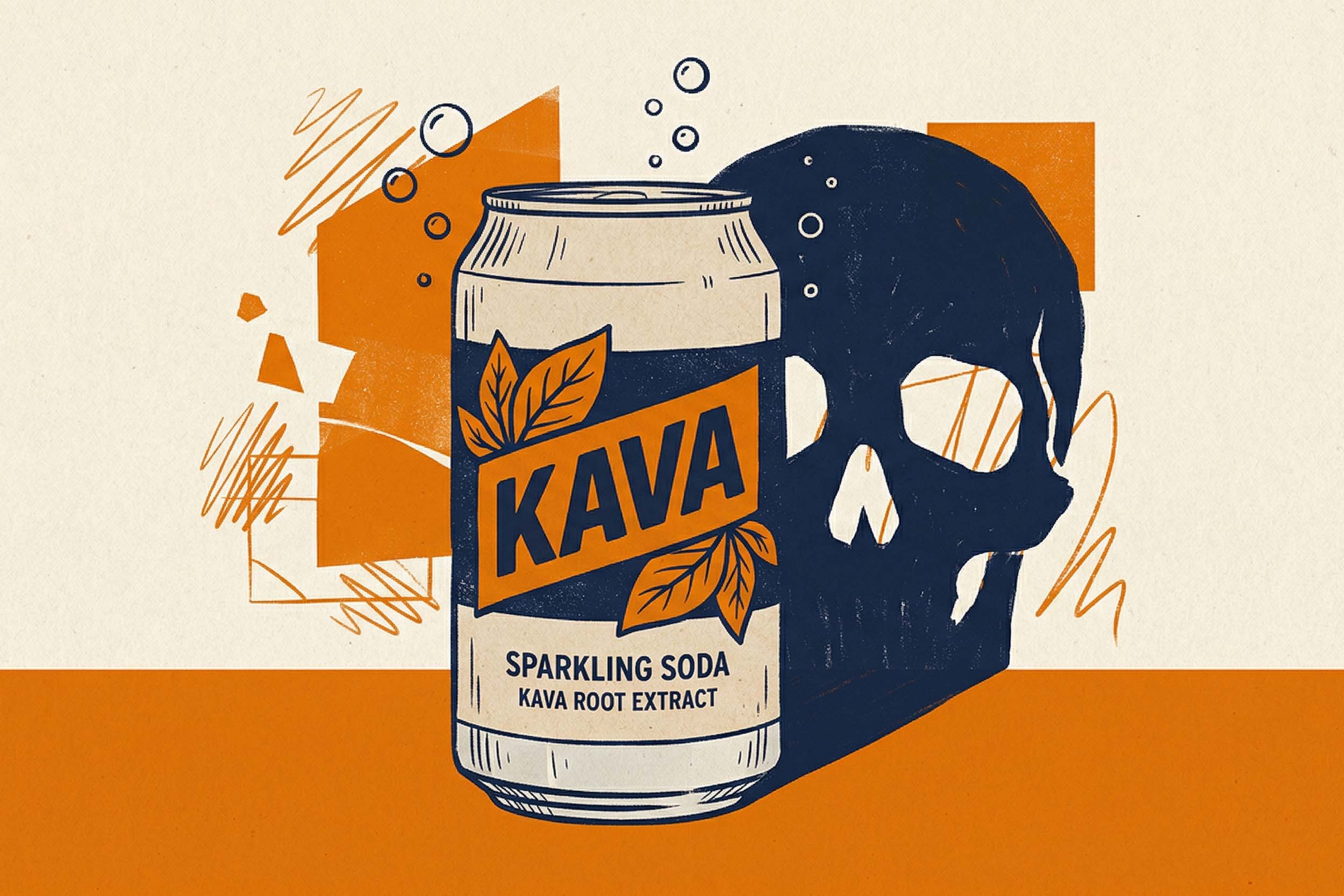
Rising Concerns Over Kava-Related Health Issues in the United States
As more Americans seek alternatives to alcohol, a plant-based option known as kava is becoming increasingly popular. However, recent research from UVA Health reveals a troubling trend: a significant rise in calls to poison centers related to kava consumption.
Once a staple in Pacific Island traditions, kava is now widely available in the form of drinks, supplements, and extracts across the U.S. Rita Farah, an assistant professor at the University of Virginia School of Medicine, spearheaded a study at the Blue Ridge Poison Center that reports a staggering 383% increase in kava-related calls over the years, from just 57 in 2011 to 203 projected calls by 2025. The majority of these calls involve men aged 20 and older.
Impact of New Kava Products
Dr. Chris Holstege, the director of the Blue Ridge Poison Center, highlighted a decrease in kava-related calls following the 2002 FDA warning about potential severe liver injury from kava. However, he noted, “We are now experiencing an increase in calls again as new kava products enter the market, including products mixed with other substances such as kratom that can cause adverse interactions.”
The surge in calls is accompanied by more serious health outcomes. In 2025, nearly one-third of the reported cases resulted in severe complications, primarily affecting the brain and heart. This figure was only surpassed in 2024, when severe cases hit 39%.
Health Risks of Kava and Kratom Combination
Kava’s active compounds have sedative properties and can help reduce anxiety. However, U.S. versions of kava have been found to be significantly more potent than traditional forms, raising the risk of side effects such as rapid heartbeat, nausea, vomiting, and, in extreme cases, liver damage.
The dangers escalate when kava is combined with kratom, a common product in gas stations and vape shops. This combination can lead to severe symptoms, including high blood pressure, seizures, and tremors. Currently, 30% of kava-related calls involve both substances, a trend reflecting the increased availability of combined products.
Read More Here








![Robert Harmon Celebrates 99th Birthday at UVA’s Homecomings Weekend[embed]https://www.youtube.com/watch?v=c_VPFnE8x-w[/embed]](https://realnewsfast.com/wp-content/uploads/2026/10/Robert-Harmon-Celebrates-99th-Birthday-at-UVAs-Homecomings-Weekendembedhttpswwwyoutubecomwatchvc_VPFnE8x-wembed-300x200.jpg "Robert Harmon Celebrates 99th Birthday at UVA’s Homecomings Weekend[embed]https://www.youtube.com/watch?v=c_VPFnE8x-w[/embed]")
![Environmental Opera “Auksalaq” Opens UVA’s Arts on the Hill Series[embed]https://www.youtube.com/watch?v=PjYuP9wh3Hw[/embed]](https://realnewsfast.com/wp-content/uploads/2026/10/Environmental-Opera-Auksalaq-Opens-UVAs-Arts-on-the-Hill-SeriesembedhttpswwwyoutubecomwatchvPjYuP9wh3Hwembed-300x200.jpg "Environmental Opera “Auksalaq” Opens UVA’s Arts on the Hill Series[embed]https://www.youtube.com/watch?v=PjYuP9wh3Hw[/embed]")
![New documentary explores Elizabeth Holmes’ final days before prison[embed]https://www.youtube.com/watch?v=GGJSRFWALTI[/embed]](https://realnewsfast.com/wp-content/uploads/2026/10/New-documentary-explores-Elizabeth-Holmes-final-days-before-prisonembedhttpswwwyoutubecomwatchvGGJSRFWALTIembed-300x200.jpg "New documentary explores Elizabeth Holmes’ final days before prison[embed]https://www.youtube.com/watch?v=GGJSRFWALTI[/embed]")