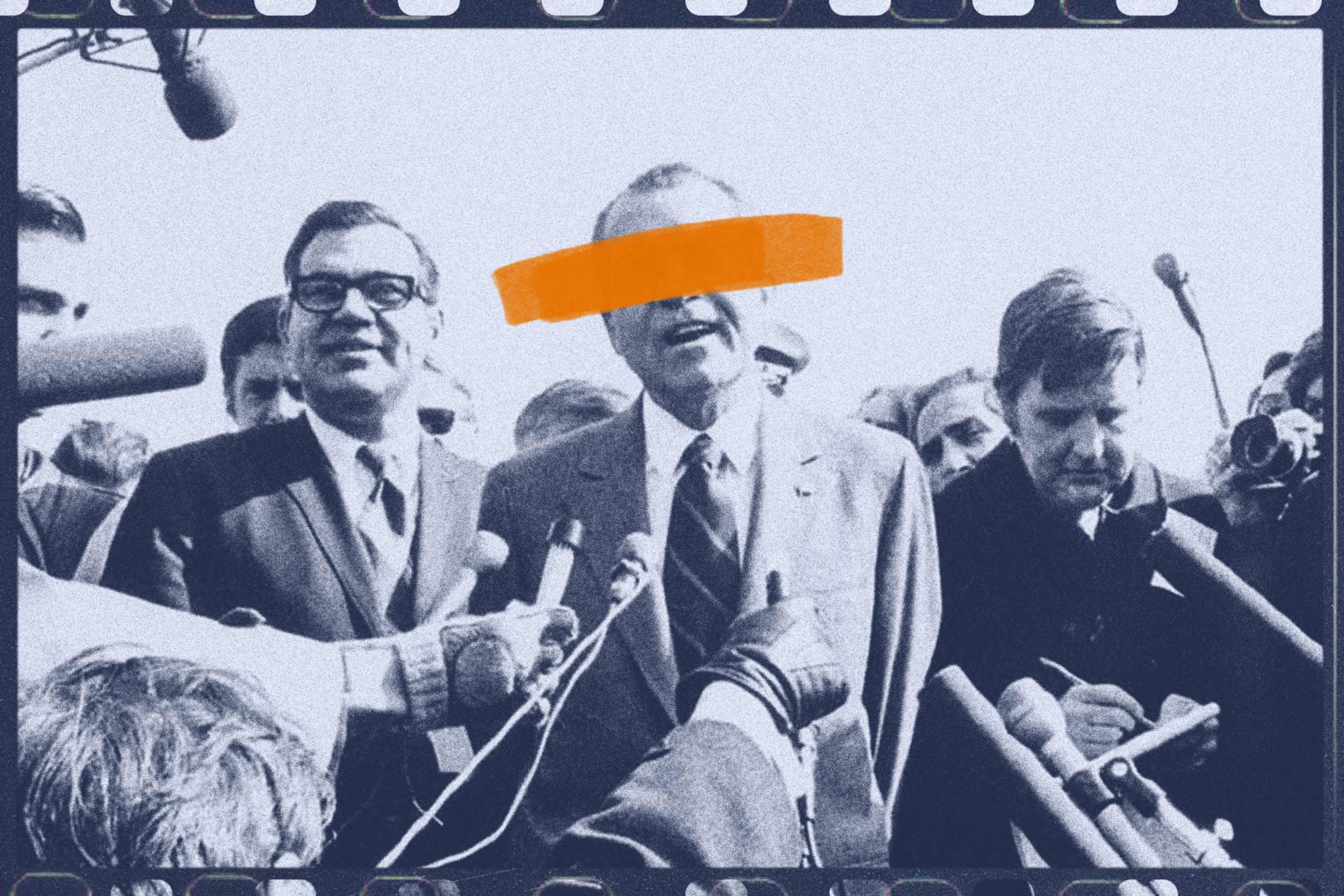
Scandalous Politics: Evolving Perspectives on Politician Misconduct
Scandals in American politics are nothing new, yet the repercussions for such behavior appear to be diminishing. A growing sense of public resignation to political misconduct is palpable, as highlighted by recent surveys.
Trust in elected federal officials remains low, with a nonpartisan Pew Research Center study revealing that only 17% of Americans believe politicians will “do what is right.” Similarly, a Gallup poll indicates widespread dissatisfaction with Congress, with nearly 75% disapproving of its performance.
Controversies surrounding political figures continue to surface. Former President Donald J. Trump’s alleged connections to convicted sex offender Jeffrey Epstein persist in the public eye, contrasting with the political downfalls of European figures like Andrew Mountbatten-Windsor, formerly Prince Andrew, who have faced consequences for similar associations.
In a tragic turn, U.S. Rep. Tony Gonzales, a Republican from Texas, admitted to an affair with a married staff member who later died by self-immolation. Initially denying the allegations, Gonzales eventually dropped out of a runoff election after placing second in his party’s primary.
Meanwhile, Texas Democrat U.S. Rep. Henry Cuellar continues to serve in Congress despite facing bribery charges in 2022. He received a pardon from Trump in 2025 before any trial commenced.
Compliance with the 2012 STOCK Act, requiring lawmakers to report stock trades within 45 days, has also been lax. Reports in 2025 highlighted that 28 members of Congress failed to adhere to these regulations.
UVA Today’s inquiry into changing public perceptions of political behavior led to an interview with Kyle Kondik, managing editor of the University of Virginia Center for Politics’ “Sabato’s Crystal Ball” newsletter.
Is There Less Backlash for Scandalous Political Behavior?
Kondik explains, “Shamelessness is one of the defining characteristics of this political era. Trump himself is a great example of that.” He suggests that liberalized attitudes towards personal conduct, such as adultery, play a role in this shift.
Have Scandals Become the Norm?
Kondik believes the public is increasingly desensitized to political scandals. “We’re in a pretty cynical period, with low trust in institutions,” he notes. The lack of shock surrounding such behavior reflects a broader societal shift in expectations.
He cites former Democratic Virginia Gov. Ralph Northam’s 2019 blackface scandal as an example, suggesting that a similar incident a decade earlier might have led to his resignation. Kondik observes that Northam’s decision to remain in office allowed him to maintain political relevance.
Read More Here