
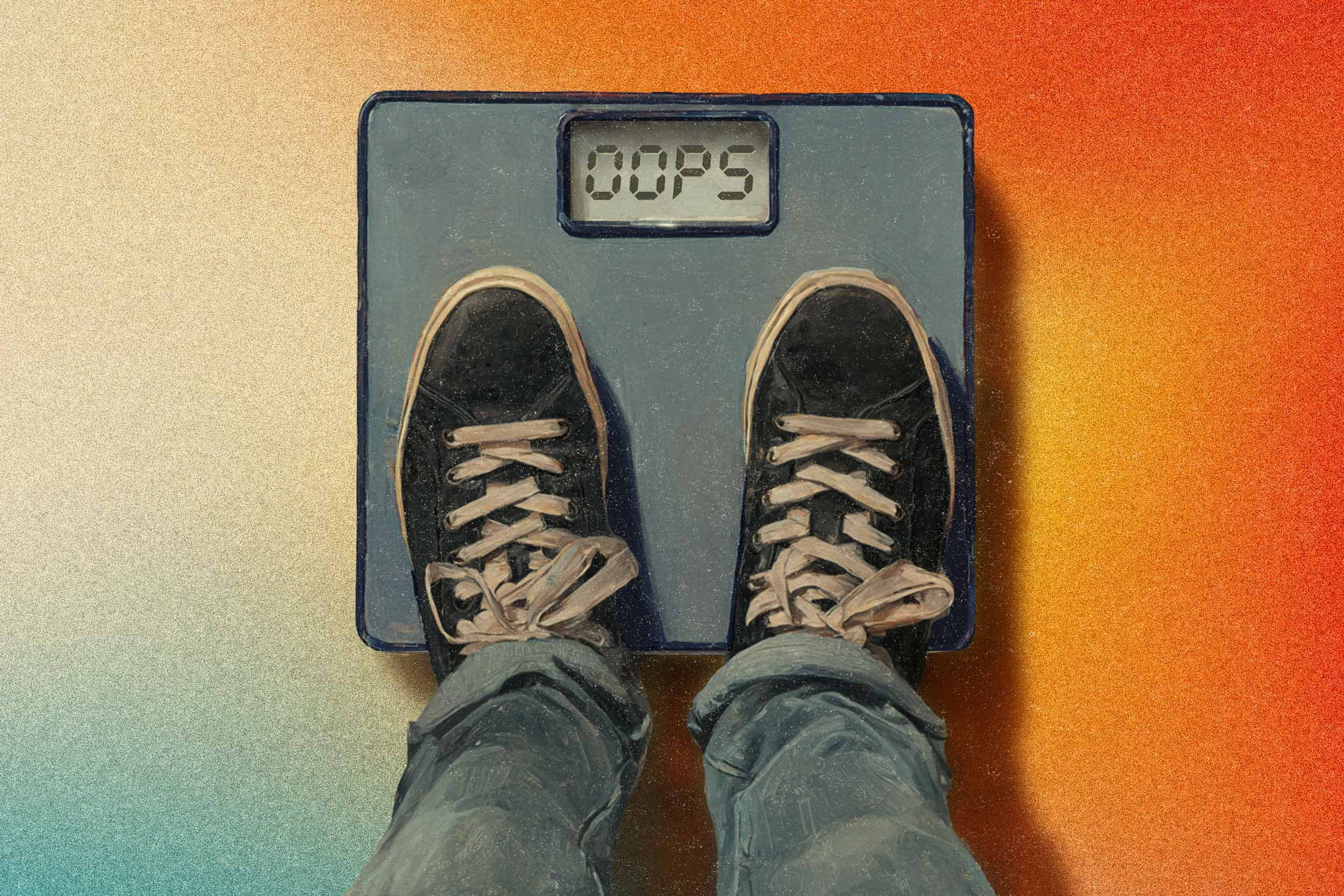
As obesity continues to climb in the United States, researchers predict a concerning trend by 2030: nearly half of American adults could be classified as obese. This forecast is outlined in a recent study from the New England Journal of Medicine, despite the growing popularity of weight loss medications.
In every state, it’s anticipated that at least 35% of adults will have a body mass index (BMI) of 30 or higher, the benchmark for obesity. This projection is surprising given the increased accessibility and use of medications like Wegovy and Zepbound.
The Centers for Disease Control and Prevention (CDC) have monitored obesity rates through BMI since the 1980s, according to Cate Varney, a family medicine physician at UVA Health. Despite a brief decline in obesity rates reported by the Gallup National Health and Well-Being Index last year, attributed to the introduction of GLP-1 medications, the trend has largely been upward.
Varney, who also teaches at the University of Virginia School of Medicine, noted, “The rates of severe obesity, defined as a BMI of 40 or greater, are still climbing.”
Treating obesity and severe obesity often involves medical interventions, such as bariatric surgery or medications, as lifestyle changes alone are frequently insufficient. Unlike being overweight, which is a BMI between 25 and 29.9, these conditions pose more significant challenges.
Varney further pointed out, “One of the other things to note is that the almost 50% obesity rate by 2030 does not include overweight. When you look at those with both overweight and obesity, we’re looking at 75% of the population.”
The distribution of weight gain is expected to be uneven across different demographics. More women than men are projected to have severe obesity, with Black and Latino populations facing higher obesity rates than their white counterparts. Economically disadvantaged states are likely to see higher obesity rates as well.
Varney explained, “This is one of the disparities we talk about in obesity medicine. In food deserts – places where it is harder to access food – we actually have higher rates of obesity. Food that is more nutritionally dense and has higher calories tends to be mass-produced and therefore cheaper, so it contributes to higher rates of obesity.”
Although BMI was not initially designed as a health measure, it remains a useful tool for clinicians to assess the potential risk of developing certain health conditions by comparing an individual’s height and weight.
Read More Here






![Robert Harmon Celebrates 99th Birthday at UVA’s Homecomings Weekend[embed]https://www.youtube.com/watch?v=c_VPFnE8x-w[/embed]](https://realnewsfast.com/wp-content/uploads/2026/10/Robert-Harmon-Celebrates-99th-Birthday-at-UVAs-Homecomings-Weekendembedhttpswwwyoutubecomwatchvc_VPFnE8x-wembed-300x200.jpg "Robert Harmon Celebrates 99th Birthday at UVA’s Homecomings Weekend[embed]https://www.youtube.com/watch?v=c_VPFnE8x-w[/embed]")
![Environmental Opera “Auksalaq” Opens UVA’s Arts on the Hill Series[embed]https://www.youtube.com/watch?v=PjYuP9wh3Hw[/embed]](https://realnewsfast.com/wp-content/uploads/2026/10/Environmental-Opera-Auksalaq-Opens-UVAs-Arts-on-the-Hill-SeriesembedhttpswwwyoutubecomwatchvPjYuP9wh3Hwembed-300x200.jpg "Environmental Opera “Auksalaq” Opens UVA’s Arts on the Hill Series[embed]https://www.youtube.com/watch?v=PjYuP9wh3Hw[/embed]")
![New documentary explores Elizabeth Holmes’ final days before prison[embed]https://www.youtube.com/watch?v=GGJSRFWALTI[/embed]](https://realnewsfast.com/wp-content/uploads/2026/10/New-documentary-explores-Elizabeth-Holmes-final-days-before-prisonembedhttpswwwyoutubecomwatchvGGJSRFWALTIembed-300x200.jpg "New documentary explores Elizabeth Holmes’ final days before prison[embed]https://www.youtube.com/watch?v=GGJSRFWALTI[/embed]")