
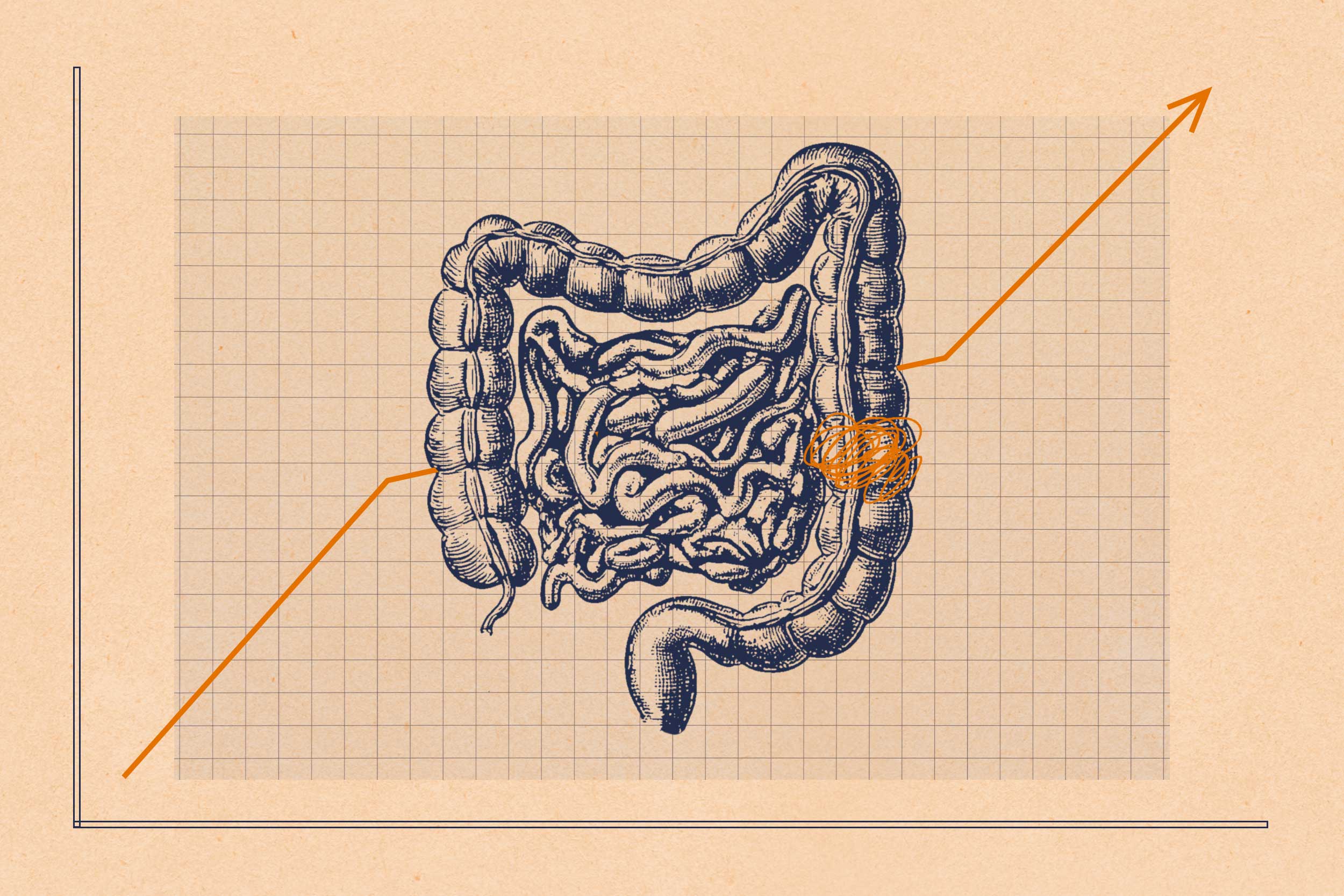
Colorectal Cancer Becomes Leading Cancer Killer in Adults Under 50
Colorectal cancer has emerged as the leading cause of cancer-related deaths among individuals under 50, according to a recent study published in the Journal of the American Medical Association. This condition is notably the only one among the top five cancer causes that has consistently shown an increase in mortality over the last 20 years.
Dr. Li Li, chair of the University of Virginia Department of Family Medicine and co-director of the Cancer Prevention and Population Health program at UVA Cancer Center, is at the forefront of research examining the genetic, lifestyle, and societal factors influencing disparities in colorectal cancer incidence.
Understanding the Surge in Early-Onset CRC
Colorectal cancer diagnosed in individuals younger than 50 is termed “early-onset CRC.” Despite a decline in colorectal cancer cases in the broader population, early-onset CRC has been on the rise for two decades. Alarmingly, individuals in their 20s, 30s, and 40s, who are at average risk without significant family history or genetic predispositions, are now being diagnosed. “It’s alarming as this new study adds that in parallel to the increase of incidence, the death rate of early onset CRC is also steadily climbing to become the top cancer killer among younger adults,” Dr. Li noted.
This cancer type is significantly influenced by modifiable factors, with approximately 60% of cases linked to environmental, lifestyle, and societal elements. Prevention, early detection, and treatment are crucial, as the study revealed 70% of younger individuals diagnosed had advanced disease, emphasizing the importance of early intervention.
Recommended Actions for the Public and Healthcare Providers
Promoting healthy lifestyle choices is pivotal in reducing colorectal cancer risks. Regular exercise, a balanced diet, maintaining a healthy weight, and sufficient sleep are vital. Avoiding alcohol, smoking, and processed foods can further aid in prevention.
Screening plays a critical role, particularly as younger demographics experience higher rates of colorectal cancer. The U.S. Preventive Services Task Force and the American Cancer Society recommend initiating screenings at age 45. However, individuals under 45 should promptly discuss any concerns or symptoms such as rectal bleeding, abdominal pain, changes in bowel movements, or unintentional weight loss with their healthcare providers.
Exploring Screening Options
While colonoscopies are widely known, Dr. Li stresses that they aren’t the sole method for colorectal cancer screening. Various screening methods, including at-home stool-based tests, are available. Patients should consult their clinicians to select the most suitable option.
For those with a family history of colorectal cancer, early screening is advisable. Individuals with close relatives diagnosed with colorectal cancer should start screening a decade earlier than the age at which their relatives were diagnosed. For example, if a parent was diagnosed at 52, their child should begin screenings at 42.
Read More Here






![Robert Harmon Celebrates 99th Birthday at UVA’s Homecomings Weekend[embed]https://www.youtube.com/watch?v=c_VPFnE8x-w[/embed]](https://realnewsfast.com/wp-content/uploads/2026/10/Robert-Harmon-Celebrates-99th-Birthday-at-UVAs-Homecomings-Weekendembedhttpswwwyoutubecomwatchvc_VPFnE8x-wembed-300x200.jpg "Robert Harmon Celebrates 99th Birthday at UVA’s Homecomings Weekend[embed]https://www.youtube.com/watch?v=c_VPFnE8x-w[/embed]")
![Environmental Opera “Auksalaq” Opens UVA’s Arts on the Hill Series[embed]https://www.youtube.com/watch?v=PjYuP9wh3Hw[/embed]](https://realnewsfast.com/wp-content/uploads/2026/10/Environmental-Opera-Auksalaq-Opens-UVAs-Arts-on-the-Hill-SeriesembedhttpswwwyoutubecomwatchvPjYuP9wh3Hwembed-300x200.jpg "Environmental Opera “Auksalaq” Opens UVA’s Arts on the Hill Series[embed]https://www.youtube.com/watch?v=PjYuP9wh3Hw[/embed]")
![New documentary explores Elizabeth Holmes’ final days before prison[embed]https://www.youtube.com/watch?v=GGJSRFWALTI[/embed]](https://realnewsfast.com/wp-content/uploads/2026/10/New-documentary-explores-Elizabeth-Holmes-final-days-before-prisonembedhttpswwwyoutubecomwatchvGGJSRFWALTIembed-300x200.jpg "New documentary explores Elizabeth Holmes’ final days before prison[embed]https://www.youtube.com/watch?v=GGJSRFWALTI[/embed]")