
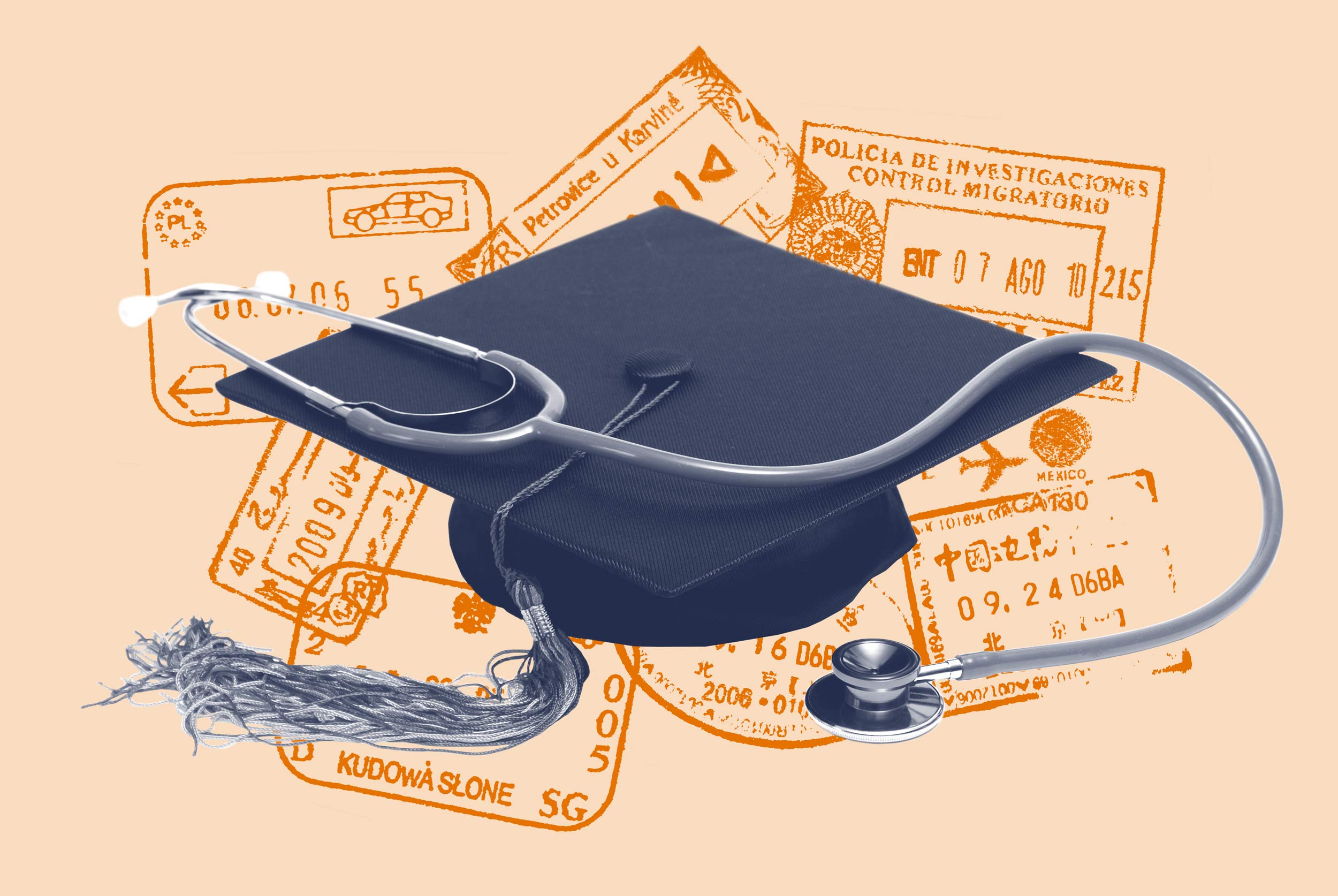
The journey from emergency medicine to global health education highlights a remarkable career transformation. Following a pivotal career change, a medical professional has taken on a role that leverages her extensive experience in education and emergency medicine to foster global health initiatives.
Originally focused on medical student education, she led a new clerkship in emergency medicine and served as the director of an emergency medicine residency for six years. Her shift towards global health education involved creating a comprehensive program to engage residents and medical students in global medical education.
Global Health Education: A New Frontier
Her new role involves supporting graduate medical education by facilitating rotations at various international sites, aiming for mutually beneficial partnerships. The goal is to maintain a consistent presence at these locations, fostering enduring relationships and bilateral exchanges.
Initial Steps in the New Role
The initial months will build on pre-existing programs established by faculty across countries like Tanzania, Uganda, India, and South Africa. The recent association with the AMPATH Consortium expands their work to Kenya and Nepal, alongside existing programs in Costa Rica, Ghana, and Ecuador.
Efforts will focus on assisting departments within the Center for Global Health Equity to establish collaborations and streamlining the process for medical students and residents applying for rotations. There is also an emphasis on preparing these individuals for their travels, including potential language acquisition and skill development.
Learning in Resource-Constrained Environments
Students participating in these international opportunities gain invaluable experience by practicing medicine in resource-limited settings, enhancing their clinical judgment and practical skills. In Kenya, for instance, residents improve their proficiency in procedures such as IV insertions due to the necessity of performing them independently.
These experiences also expose trainees to diverse medical challenges and healthcare infrastructures, fostering adaptability and a deeper understanding of global healthcare. The close-knit interactions among faculty, residents, and students during these trips facilitate meaningful discussions about the essence of being a physician, which might not occur in a conventional academic environment.
Overall, these global experiences cultivate a sense of interconnectedness and awareness of their role as healthcare providers in a global context. These insights and skills are then brought back to enrich the local community and academic environment.
Read More Here
![Robert Harmon Celebrates 99th Birthday at UVA’s Homecomings Weekend[embed]https://www.youtube.com/watch?v=c_VPFnE8x-w[/embed]](https://realnewsfast.com/wp-content/uploads/2026/10/Robert-Harmon-Celebrates-99th-Birthday-at-UVAs-Homecomings-Weekendembedhttpswwwyoutubecomwatchvc_VPFnE8x-wembed-300x200.jpg "Robert Harmon Celebrates 99th Birthday at UVA’s Homecomings Weekend[embed]https://www.youtube.com/watch?v=c_VPFnE8x-w[/embed]")
![Environmental Opera “Auksalaq” Opens UVA’s Arts on the Hill Series[embed]https://www.youtube.com/watch?v=PjYuP9wh3Hw[/embed]](https://realnewsfast.com/wp-content/uploads/2026/10/Environmental-Opera-Auksalaq-Opens-UVAs-Arts-on-the-Hill-SeriesembedhttpswwwyoutubecomwatchvPjYuP9wh3Hwembed-300x200.jpg "Environmental Opera “Auksalaq” Opens UVA’s Arts on the Hill Series[embed]https://www.youtube.com/watch?v=PjYuP9wh3Hw[/embed]")
![New documentary explores Elizabeth Holmes’ final days before prison[embed]https://www.youtube.com/watch?v=GGJSRFWALTI[/embed]](https://realnewsfast.com/wp-content/uploads/2026/10/New-documentary-explores-Elizabeth-Holmes-final-days-before-prisonembedhttpswwwyoutubecomwatchvGGJSRFWALTIembed-300x200.jpg "New documentary explores Elizabeth Holmes’ final days before prison[embed]https://www.youtube.com/watch?v=GGJSRFWALTI[/embed]")