
The Importance of Preserving America’s Roadless Areas: A Veteran’s Perspective
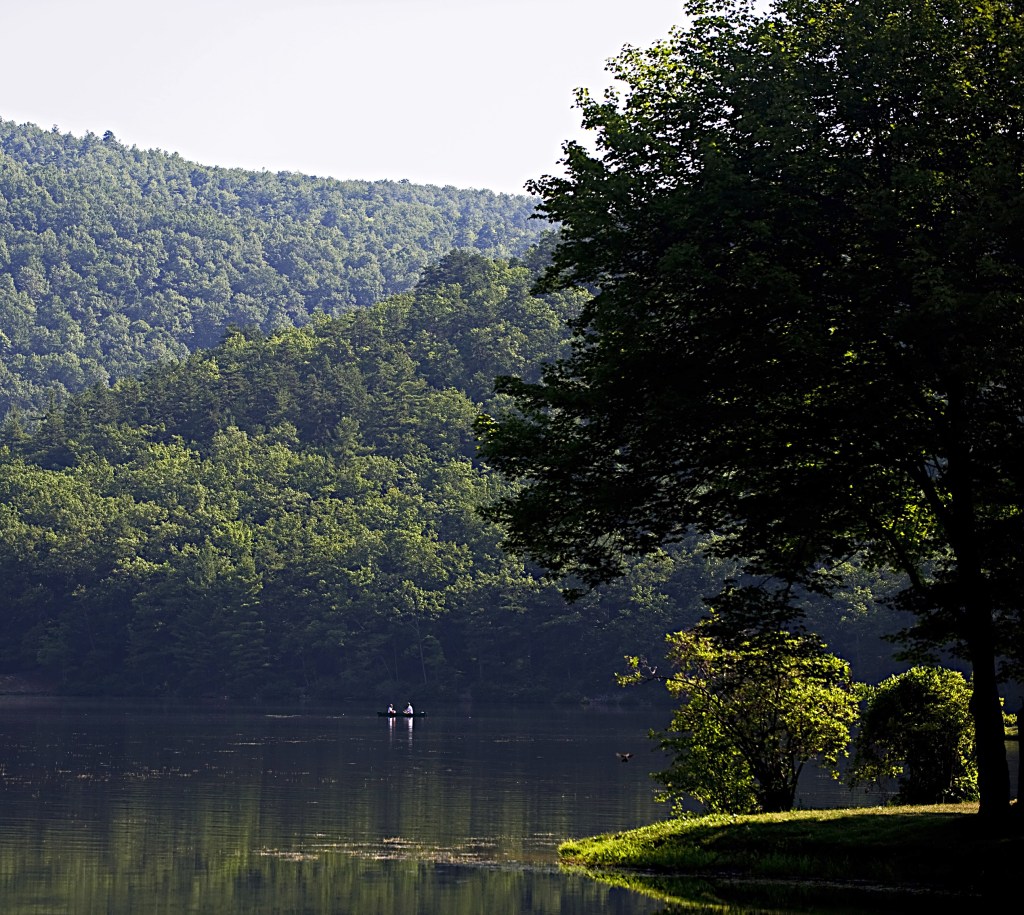
Returning to civilian life after military service often involves navigating an intricate landscape of personal and societal adjustments. For many veterans, the natural world offers solace and healing where conventional settings fall short. The Appalachian Mountains and the untouched corners of national forests have always been sanctuaries, offering a place to reconnect and find peace. These landscapes are integral to the lives of many who seek refuge in nature.
The ongoing discussions in Washington regarding the potential repeal of the Roadless Area Conservation Rule touch a personal chord for those who find solace in these places. This rule, established in 2001 by the U.S. Forest Service, protects nearly 60 million acres of undeveloped forest land across 39 states by restricting road construction and timber harvesting. Despite these limitations, these areas remain open for recreational activities such as hiking, hunting, and camping.
Proponents of repealing the rule often cite the need for more roads to combat wildfires. However, evidence suggests otherwise. The rule already allows for exceptions during emergencies and permits necessary tree cutting to manage hazardous fuels. Most fires that threaten homes originate near residential areas, where forests meet urban developments, not in remote, roadless areas. Less than 5% of these protected lands intersect with zones where neighborhoods are at risk, emphasizing the need for focused fire prevention efforts in those regions.
From a fiscal standpoint, expanding the road network poses significant challenges. The Forest Service is currently tasked with maintaining over 360,000 miles of roads, facing a multibillion-dollar backlog in necessary repairs and maintenance. Historical data, such as the analysis of Alaska’s Tongass National Forest by Taxpayers for Common Sense, reveals that substantial funds are spent on timber programs with minimal returns, mainly due to the costs of road construction.
Beyond financial implications, maintaining roadless areas holds environmental benefits. These regions are crucial for preserving water quality as they prevent soil erosion and keep pollutants out of waterways. They support biodiversity by providing habitats for wildlife and sustain ecosystems with clean, shaded streams essential for species like native trout and salmon.
For many, including veterans, these roadless areas are more than just land; they are havens for mental clarity and healing. The tranquility found in these untouched landscapes allows individuals to shed burdens and find peace. Protecting these areas ensures they remain havens for future generations, just as they have been for those before.
Preserving the roadless rule is not an attempt to halt progress but a decision to safeguard the last expansive stretches of untouched wilderness. These places offer invaluable benefits, both tangible and intangible, and their conservation is vital for the well-being of people and the planet alike.
James Barry of Virginia Beach is a U.S. Army veteran.
Read More Here

![Robert Harmon Celebrates 99th Birthday at UVA’s Homecomings Weekend[embed]https://www.youtube.com/watch?v=c_VPFnE8x-w[/embed]](https://realnewsfast.com/wp-content/uploads/2026/10/Robert-Harmon-Celebrates-99th-Birthday-at-UVAs-Homecomings-Weekendembedhttpswwwyoutubecomwatchvc_VPFnE8x-wembed-300x200.jpg "Robert Harmon Celebrates 99th Birthday at UVA’s Homecomings Weekend[embed]https://www.youtube.com/watch?v=c_VPFnE8x-w[/embed]")
![Environmental Opera “Auksalaq” Opens UVA’s Arts on the Hill Series[embed]https://www.youtube.com/watch?v=PjYuP9wh3Hw[/embed]](https://realnewsfast.com/wp-content/uploads/2026/10/Environmental-Opera-Auksalaq-Opens-UVAs-Arts-on-the-Hill-SeriesembedhttpswwwyoutubecomwatchvPjYuP9wh3Hwembed-300x200.jpg "Environmental Opera “Auksalaq” Opens UVA’s Arts on the Hill Series[embed]https://www.youtube.com/watch?v=PjYuP9wh3Hw[/embed]")
![New documentary explores Elizabeth Holmes’ final days before prison[embed]https://www.youtube.com/watch?v=GGJSRFWALTI[/embed]](https://realnewsfast.com/wp-content/uploads/2026/10/New-documentary-explores-Elizabeth-Holmes-final-days-before-prisonembedhttpswwwyoutubecomwatchvGGJSRFWALTIembed-300x200.jpg "New documentary explores Elizabeth Holmes’ final days before prison[embed]https://www.youtube.com/watch?v=GGJSRFWALTI[/embed]")