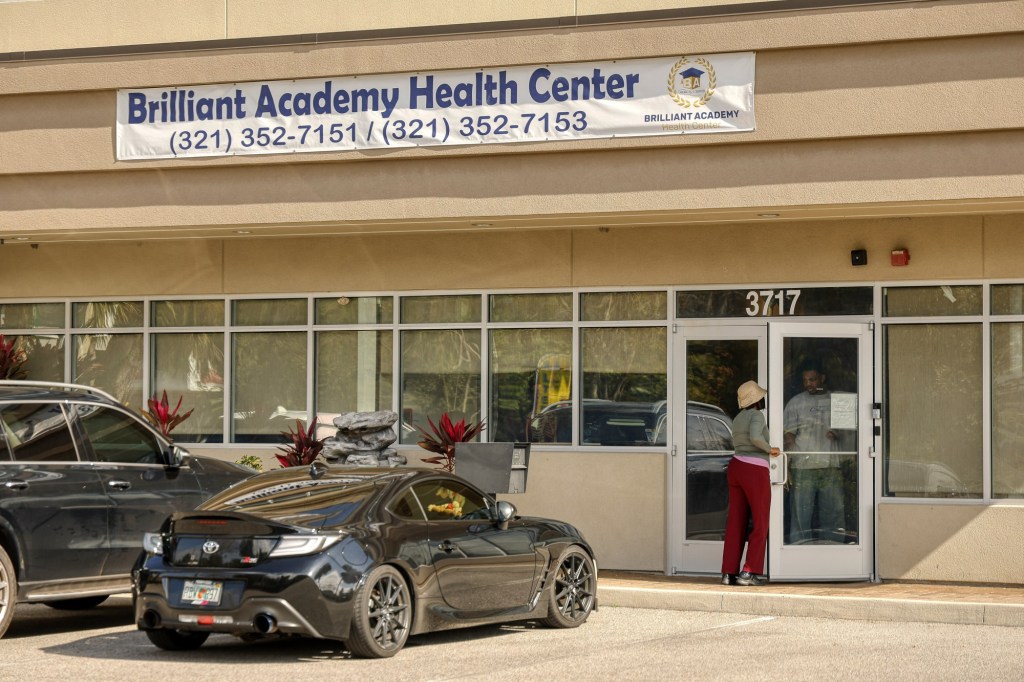
Facing an urgent need for more nurses, Florida lawmakers relaxed regulations on nursing schools in 2009, spurring a rapid expansion of new programs. However, this growth in nursing education has led to a proliferation of for-profit institutions that often leave graduates inadequately prepared for the field.
One such institution, the Ideal Professional Institute near Miami, produced over 2,300 graduates in a decade, but only 13% of them passed the national nursing exam on their first try. This is starkly below the nearly 90% national average for first-time test-takers. Despite a state decision to shut down Ideal’s program in 2015 due to poor performance, it continued to operate for several years.
In a scandal that drew national attention, an administrator from Ideal was implicated in “Operation Nightingale,” an FBI probe into the sale of fake nursing degrees. This investigation led to charges against operators of numerous Florida nursing schools.
Florida’s for-profit nursing programs stand in contrast to more established institutions like Seminole State College, where high tuition fees often do not translate into better educational outcomes. This contributes to Florida having one of the lowest nursing exam passage rates in the U.S., with a projected shortage of 60,000 nurses by 2035.
Efforts to enhance regulatory oversight have faltered, with Governor Ron DeSantis vetoing legislation aimed at tightening controls. “We have got to do something about our nursing programs here in Florida,” stated Sen. Gayle Harrell, who is advocating for reform.
The 2009 deregulation shifted approval power from the Florida Board of Nursing to lawmakers, aiming to swiftly increase nursing program availability. This change led to a surge in new schools—from 180 to over 500—but also raised concerns about educational quality.
Many schools accused of fraud received approval shortly after the law passed, with few being denied. “I don’t recall a program being denied,” remarked Joe Baker Jr., the former executive director of the nursing board.
Oversight remains lax after schools open, and closing underperforming programs is a lengthy process. “Once they turn in the application and say they’re going to do this and they get approved, the only person that looks over them is themselves,” noted Christine Mueller, the board’s vice chair.
The 2009 law’s “unintended consequences” have become apparent, with some programs charging high fees for educations that do not adequately prepare students for the NCLEX exam. Consequently, Florida’s passing rate often trails the national average.
The current law is deemed “insufficient” to hold schools accountable, according to Rep. Toby Overdorf. In response, the legislature is trying again to pass reforms that would enhance oversight and potentially shut down non-compliant programs.
Schools like Ideal and Sunlight Healthcare Academy illustrate the ongoing challenges. Despite being on probation, Sunlight’s program remains open, with the board barring some graduates from taking the NCLEX due to inadequate education.
While the state has made some attempts to address these issues, many believe more substantial reforms are needed. “If we could have been checking on these schools, I feel like we could have prevented some of this, possibly,” said Dr. Deborah Becker, chair of the Florida Board of Nursing.

The current debate centers on how to ensure nursing schools provide quality education and whether proposed legislative changes will help or hinder this goal. As reform efforts continue, many hope for measures that will effectively screen out fraudulent schools and improve the training of future nurses in Florida.
Read More Here