
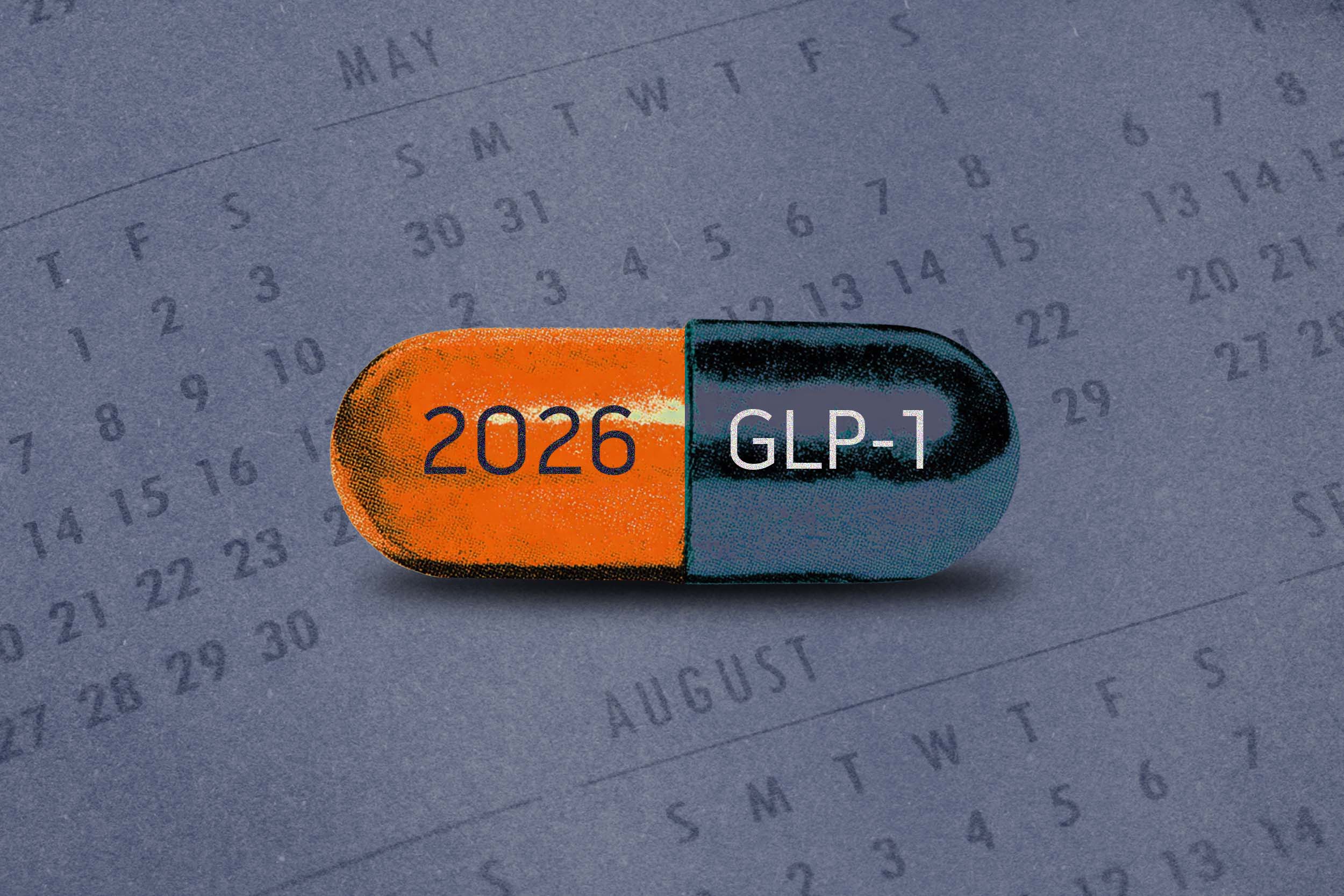
As the new year approaches, many Americans are gearing up to tackle their most common resolutions. According to a recent Statista survey, losing weight, eating healthier, and exercising more are among the top goals set for 2026. However, past trends show that maintaining these resolutions can be challenging, with many abandoning their goals shortly after starting.
Despite a strong start, studies indicate that a quarter of individuals who begin their journey towards better health abandon their resolutions in the first week. By the beginning of February, more than half have given up, leaving fewer than 10% to achieve lasting success. Yet, with the emergence of new weight-loss medications, 2026 might be the year that changes this narrative.
This year marks a potential turning point with the introduction of a new class of drugs that could aid those struggling to meet their health goals. These medications, often administered as injections or in a newly approved pill form, promise to support weight loss efforts more effectively than traditional methods alone. Dr. Cate Varney from UVA Health provided insights into how these GLP-1 receptor agonist medications work and who stands to benefit from them.
Understanding GLP-1 Medications
Q. How do GLP-1 medications function?
A. GLP-1 is a hormone that the body releases primarily from the gut in response to food intake. It plays a role in regulating blood glucose levels and slowing the digestive process to enhance nutrient absorption. In the brain, it sends the signal, “I’m full, I’m satisfied.” However, the natural form of GLP-1 has a very short half-life, lasting only one to two minutes. GLP-1 receptor agonists, such as Wegovy and Zepbound, prolong this effect, with newer versions remaining active for five to seven days. This extended activity leads to stronger appetite suppression and slower digestion, helping individuals feel full longer and reducing calorie intake.
Choosing Between Diet and Medication
Q. For weight loss in 2026, what criteria determine whether someone should follow traditional diet and exercise advice or consider medication?
A. Developing a personalized plan is crucial, considering factors like the individual’s goals, medical history, family background, and past experiences with diet and exercise. While the classic recommendation to “eat less and move more” results in only about a 10% weight loss, and a significant portion of individuals regain the weight within a year, some need to lose 20-30% of their body weight. In such cases, while diet and exercise remain important for overall health, they might not suffice without additional support from medications.
Purpose of Weight Loss Medications
Q. What is the intended use of these weight loss medications?
A. It’s important to focus on overall health benefits rather than solely on the number on the scale. The primary goal is to enhance health, improve quality of life, increase mobility, and enable individuals to engage in activities they enjoy. Dr. Varney emphasizes reducing or eliminating other medications as a more significant achievement than a change in weight alone.
Read More Here





![Robert Harmon Celebrates 99th Birthday at UVA’s Homecomings Weekend[embed]https://www.youtube.com/watch?v=c_VPFnE8x-w[/embed]](https://realnewsfast.com/wp-content/uploads/2026/10/Robert-Harmon-Celebrates-99th-Birthday-at-UVAs-Homecomings-Weekendembedhttpswwwyoutubecomwatchvc_VPFnE8x-wembed-300x200.jpg "Robert Harmon Celebrates 99th Birthday at UVA’s Homecomings Weekend[embed]https://www.youtube.com/watch?v=c_VPFnE8x-w[/embed]")
![Environmental Opera “Auksalaq” Opens UVA’s Arts on the Hill Series[embed]https://www.youtube.com/watch?v=PjYuP9wh3Hw[/embed]](https://realnewsfast.com/wp-content/uploads/2026/10/Environmental-Opera-Auksalaq-Opens-UVAs-Arts-on-the-Hill-SeriesembedhttpswwwyoutubecomwatchvPjYuP9wh3Hwembed-300x200.jpg "Environmental Opera “Auksalaq” Opens UVA’s Arts on the Hill Series[embed]https://www.youtube.com/watch?v=PjYuP9wh3Hw[/embed]")
![New documentary explores Elizabeth Holmes’ final days before prison[embed]https://www.youtube.com/watch?v=GGJSRFWALTI[/embed]](https://realnewsfast.com/wp-content/uploads/2026/10/New-documentary-explores-Elizabeth-Holmes-final-days-before-prisonembedhttpswwwyoutubecomwatchvGGJSRFWALTIembed-300x200.jpg "New documentary explores Elizabeth Holmes’ final days before prison[embed]https://www.youtube.com/watch?v=GGJSRFWALTI[/embed]")