Lawmakers Advocate for Nursing Program Inclusion in New Federal Loan Limits
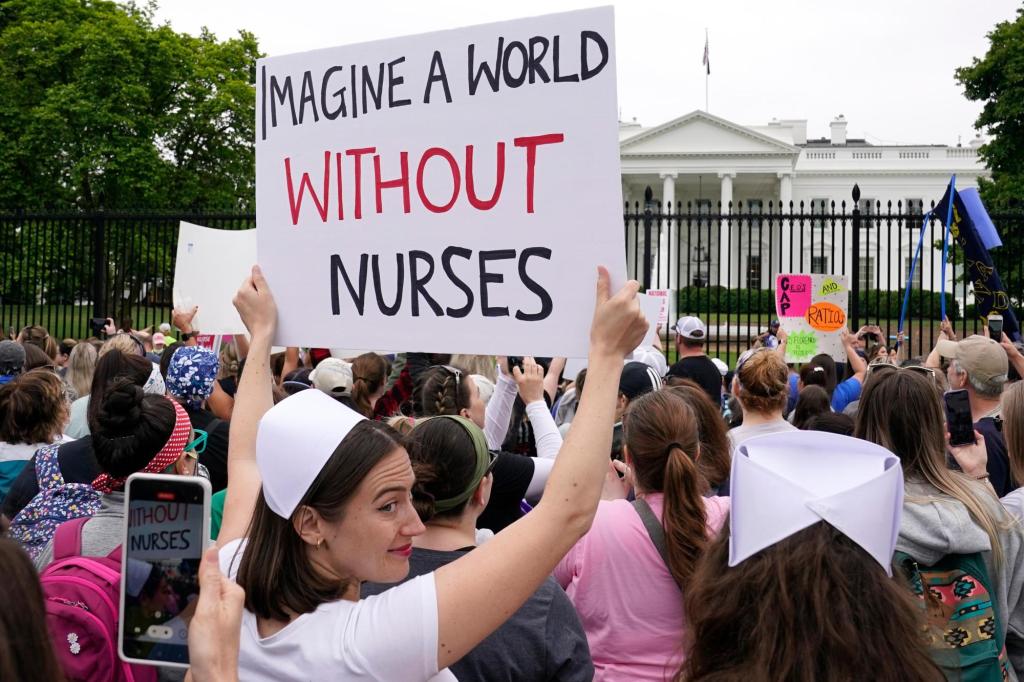
A recent move by the Trump administration to redefine which graduate programs qualify as “professional” has sparked significant debate. The definition impacts loan borrowing limits, leaving nursing programs notably absent from the list, much to the dismay of industry groups and lawmakers alike.
Currently, the federal definition includes fields like medicine, law, and theology, enabling students in these programs to borrow up to $200,000 for their education, with an annual cap of $50,000. Conversely, students in fields not deemed professional face a total borrowing cap of $100,000 and an annual limit of $20,500.
More than 140 legislators, with bipartisan support, have expressed their concern in a letter addressed to the Education Department. They argue that the $100,000 cap constrains students in expensive yet critical nursing programs, such as those for nurse anesthetists and year-round nurse practitioner courses, which typically exceed the annual cap.
Despite these concerns, the Education Department maintains that 95% of nursing students are enrolled in programs unaffected by the new financial restrictions.
The conversation is particularly relevant for programs like certified nurse anesthetists, which not only come with higher tuition costs but also serve essential roles in rural and underserved areas. Lawmakers emphasize the importance of such programs, stating that they are vital for providing anesthesia services in these communities.
Sen. Jeff Merkley, Sen. Roger Wicker, Rep. Suzanne Bonamici, and Rep. Jen Kiggans are among the prominent voices leading this initiative. Additionally, Rep. Ritchie Torres of New York, representing the South Bronx, noted that excluding nursing from the professional designation could push students towards riskier private loans or make education financially inaccessible. Torres stated, “A restrictive interpretation would undermine our healthcare and education systems, weaken our workforce, and close doors for low-income, first-generation, and immigrant students who make up much of my district.”
The Trump administration justifies the loan caps as a strategy to compel colleges to lower tuition costs. The selection of professional programs relies on a 1965 financial aid law, which lists examples of professional degrees but is not exhaustive. This decision has drawn criticism from nursing organizations and other excluded fields, such as physical therapy and social work.
While the definition is currently under review, department officials have indicated potential adjustments through the federal rulemaking process.
The Associated Press’ education coverage receives financial support from multiple private foundations. AP is solely responsible for all content. Find AP’s standards for working with philanthropies, a list of supporters and funded coverage areas at AP.org.
Read More Here