Elite Colleges Witness Surge in Low-Income Student Enrollment Amid Affirmative Action Changes
In a significant shift within the realm of higher education, some of America’s most elite universities are enrolling an unprecedented number of low-income students. This change comes as institutions strive to diversify their student populations following the cessation of affirmative action.
Despite the persistent presence of affluence on these campuses, universities are making concerted efforts to broaden their reach across different regions, including urban and rural areas. By offering tuition-free education to families below the highest income brackets, colleges aim to attract a more economically diverse student body.
This approach, however, could potentially lead to legal challenges. The Trump administration has previously withdrawn funding from elite institutions over various issues and has suggested that targeting economically disadvantaged students may be illegal. Nevertheless, college leaders are confident in their legal standing.
Record Numbers of Low-Income Students at Top Universities
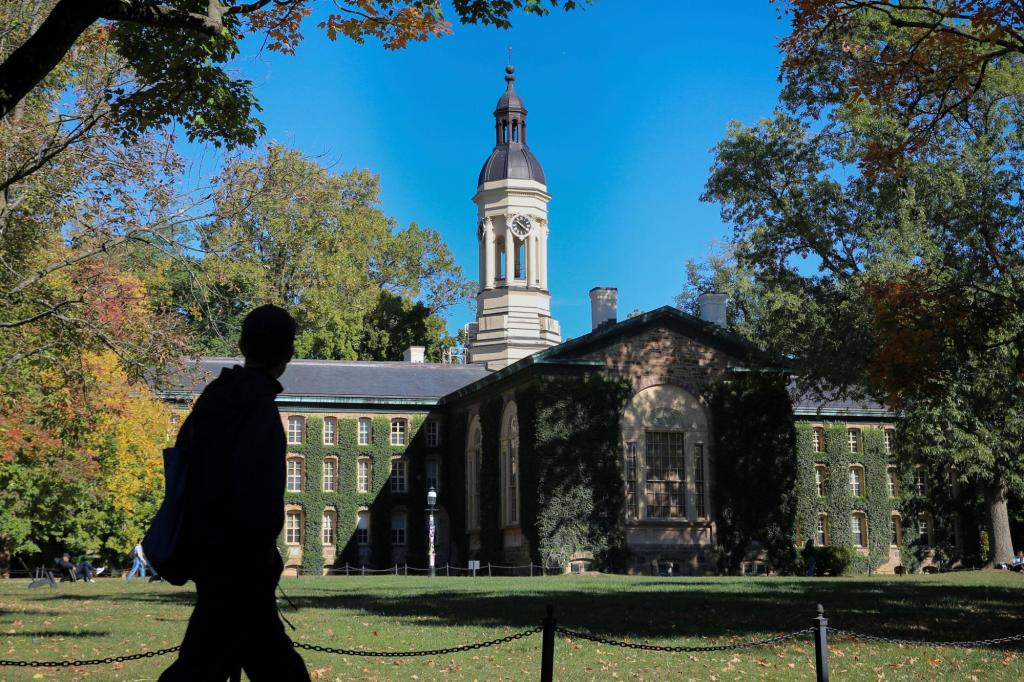
Princeton University is at the forefront, with its current freshman class including more low-income students than ever before. One in four students at Princeton now qualify for federal Pell grants, a significant increase from twenty years ago when less than 10% were eligible. Princeton President Christopher Eisgruber stated, “The only way to increase socioeconomic diversity is to be intentional about it.”
Following the Supreme Court’s prohibition of affirmative action, Princeton has set ambitious targets to recruit more low-income students, seeing this as the best opportunity to attract diverse talent by focusing on economic diversity.
While America’s most selective colleges have historically enrolled a disproportionate number of students from the wealthiest 1% of families, they are now slowly changing this trend. Institutions like Yale, Duke, Johns Hopkins, and MIT have achieved record enrollments of Pell-eligible students over the past two years. MIT, in particular, has seen a 43% increase in low-income students in its freshman class, driven in part by its free tuition policy for families earning under $200,000 annually. MIT’s Dean of Admissions, Stu Schmill, emphasized the institution’s commitment to accessibility, stating, “MIT has always been an engine of opportunity for low-income students.”
Challenges in Balancing Economic and Racial Diversity
The focus on economic diversity was partly intended to sustain racial diversity, given that Black, Hispanic, and Indigenous Americans experience the highest poverty rates in the U.S. However, as low-income enrollment grows, racial diversity has not necessarily followed suit on many campuses. Richard Kahlenberg from the Progressive Policy Institute remarked that economic diversity is crucial for ensuring that America’s leadership includes those who have faced economic challenges.
Swarthmore College exemplifies this trend, with its Pell-eligible student numbers jumping from 17% to 30% last year. Despite efforts to accommodate financially disadvantaged students, such as offering free laundry and textbook credits, Swarthmore saw a decline in Black student enrollment.
Federal Scrutiny and Potential Legal Challenges
The White House has argued that prioritizing students by income or geography could serve as a “racial proxy,” violating the Supreme Court’s decision against affirmative action. In a letter, Trump officials accused UCLA of implementing “race-based admissions in all but name” by considering applicants’ family income and ZIP code.
This legal interpretation has already influenced some actions. The College Board discontinued a service that provided admissions offices with demographic data, including neighborhood earnings, citing changes in federal and state policies.
This situation highlights the ongoing tension between efforts to increase diversity in higher education and the legal constraints shaped by recent Supreme Court rulings.
Read More Here