
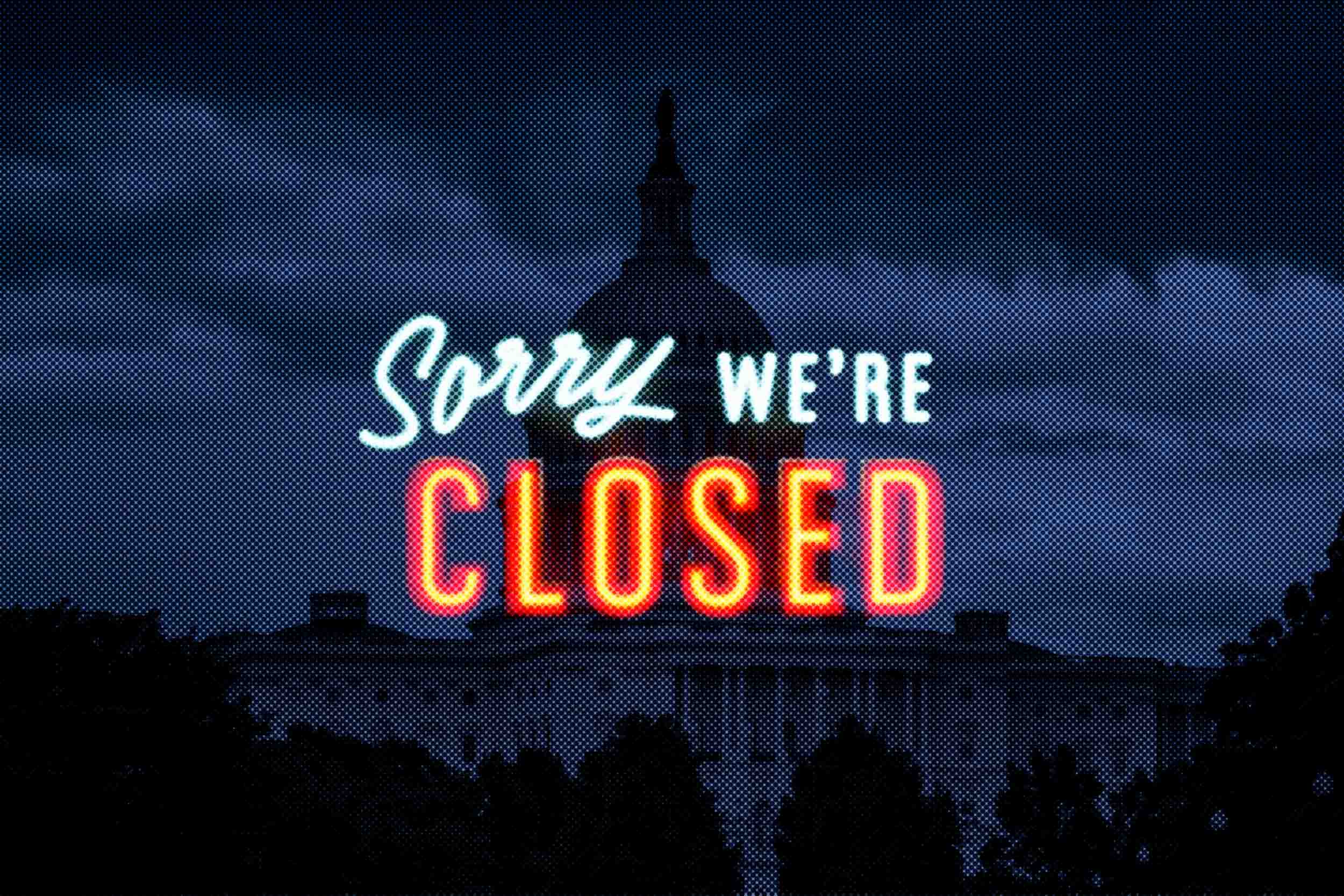
In today’s economy, the value of human capital often surpasses that of physical assets, as evidenced by the lengths to which major corporations go to recruit and retain elite talent. This trend highlights the potential negative implications for government effectiveness if shutdowns deter prospective employees or lead to the departure of skilled personnel.
Shutdowns and Their Long-Term Effects
Research indicates a significant increase in federal employees leaving government positions post-furlough. While some advocate for reducing government size through such means, it’s crucial to remember the pivotal roles government plays—overseeing infrastructure, conducting essential research, and managing vast insurance programs. Impressively, about one-third of all U.S. expenditures pass through government channels, necessitating a talented workforce.
In the aftermath of a shutdown, a notable migration of federal workers occurs. Younger employees often transition to the private sector, especially in robust job markets, while older employees tend to opt for retirement once their benefits are fully vested. This trend results in the simultaneous loss of both seasoned managers and eager young professionals.
Impact on Federal Agency Performance
The ramifications of shutdowns extend to the operational effectiveness of government agencies. Although measuring “performance” varies across departments—such as the Department of Agriculture versus the Department of Commerce—common functions like legal representation and internal payment accuracy are shared.
Post-shutdown, agencies exposed to furloughs and the resulting skill drain display decreased performance. For instance, accounting errors and improper payments increase slightly, but even a 1% rise can translate to billions of dollars lost, given the scale of government operations.
Assessing the Broader Workforce Impact
Utilizing comprehensive data, researchers have developed economic models to translate employee departure rates into financial impacts, akin to a 10% salary reduction. This substantial morale impact elucidates why numerous qualified employees depart.
Regardless of personal views on government, efficient operation is universally desired. However, the ongoing erosion of human capital raises concerns about the future efficacy of government functions.
Read More Here






![Robert Harmon Celebrates 99th Birthday at UVA’s Homecomings Weekend[embed]https://www.youtube.com/watch?v=c_VPFnE8x-w[/embed]](https://realnewsfast.com/wp-content/uploads/2026/10/Robert-Harmon-Celebrates-99th-Birthday-at-UVAs-Homecomings-Weekendembedhttpswwwyoutubecomwatchvc_VPFnE8x-wembed-300x200.jpg "Robert Harmon Celebrates 99th Birthday at UVA’s Homecomings Weekend[embed]https://www.youtube.com/watch?v=c_VPFnE8x-w[/embed]")
![Environmental Opera “Auksalaq” Opens UVA’s Arts on the Hill Series[embed]https://www.youtube.com/watch?v=PjYuP9wh3Hw[/embed]](https://realnewsfast.com/wp-content/uploads/2026/10/Environmental-Opera-Auksalaq-Opens-UVAs-Arts-on-the-Hill-SeriesembedhttpswwwyoutubecomwatchvPjYuP9wh3Hwembed-300x200.jpg "Environmental Opera “Auksalaq” Opens UVA’s Arts on the Hill Series[embed]https://www.youtube.com/watch?v=PjYuP9wh3Hw[/embed]")
![New documentary explores Elizabeth Holmes’ final days before prison[embed]https://www.youtube.com/watch?v=GGJSRFWALTI[/embed]](https://realnewsfast.com/wp-content/uploads/2026/10/New-documentary-explores-Elizabeth-Holmes-final-days-before-prisonembedhttpswwwyoutubecomwatchvGGJSRFWALTIembed-300x200.jpg "New documentary explores Elizabeth Holmes’ final days before prison[embed]https://www.youtube.com/watch?v=GGJSRFWALTI[/embed]")