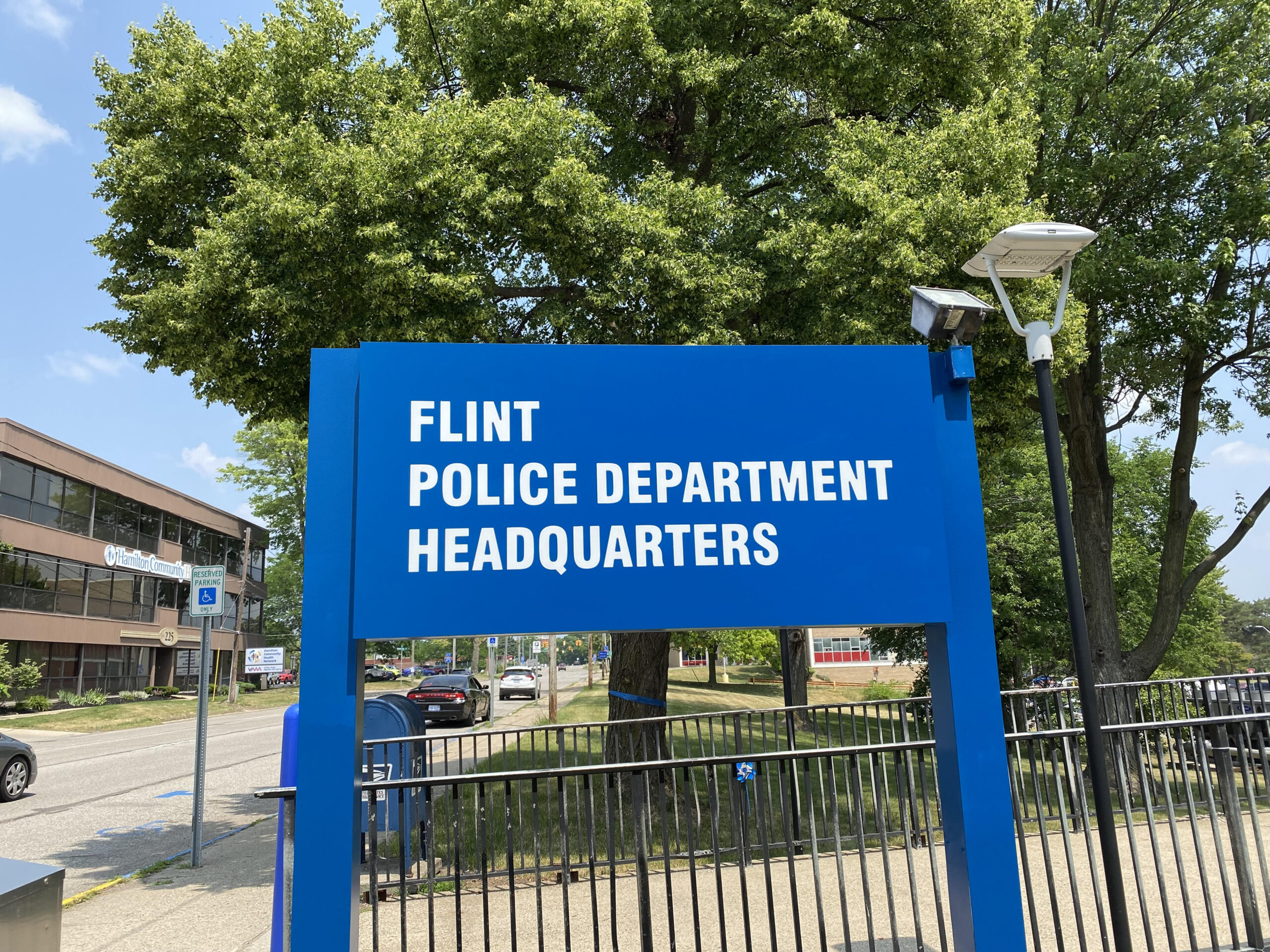
FLINT, Mich. — As the city grapples with a surge in violence, Mayor Sheldon Neeley has unveiled a comprehensive public safety initiative aimed at tackling the issue head-on. The plan emphasizes prevention, intervention, and fostering community relations, while actively seeking collaboration and resources from the State of Michigan.
This past summer, Flint has witnessed a troubling increase in violent incidents, including shootings, stabbings, and public disturbances. Notable among these was a fatal shooting during the annual 810 Day celebration and a contentious incident where police were captured on video using pepper spray on a crowd. These events have left the community on edge, highlighting the pressing need for a sustained and coordinated response.
Mayor Neeley emphasized the necessity of moving beyond mere reactive measures. “Our community deserves more than reactive enforcement,” he stated. “We need strategies that address the root causes of violence, rebuild trust between residents and institutions, and create lasting change. That means building on the work we’ve started and securing the resources to take it further.”
The expanded public safety strategy will be rolled out in phases, focusing on four key areas, with state involvement as a crucial component:
Community-Based Violence Prevention
Investing in programs that engage directly with at-risk youth and the neighborhoods most affected by violence.
Intervention Strategies
Expanding programs that utilize credible messengers, offer conflict mediation, and provide trauma-informed services.
Law Enforcement Training & Engagement
Improving skills in de-escalation, crisis response, and community engagement to enhance accountability and build trust.
Data & Evaluation
Allocating resources for independent evaluations and maintaining transparent progress reports.
In Mayor Neeley’s words, “With the right partnerships, we can turn the tide. This is about healing, prevention, and community-led solutions — not just enforcement.”
Read More Here