
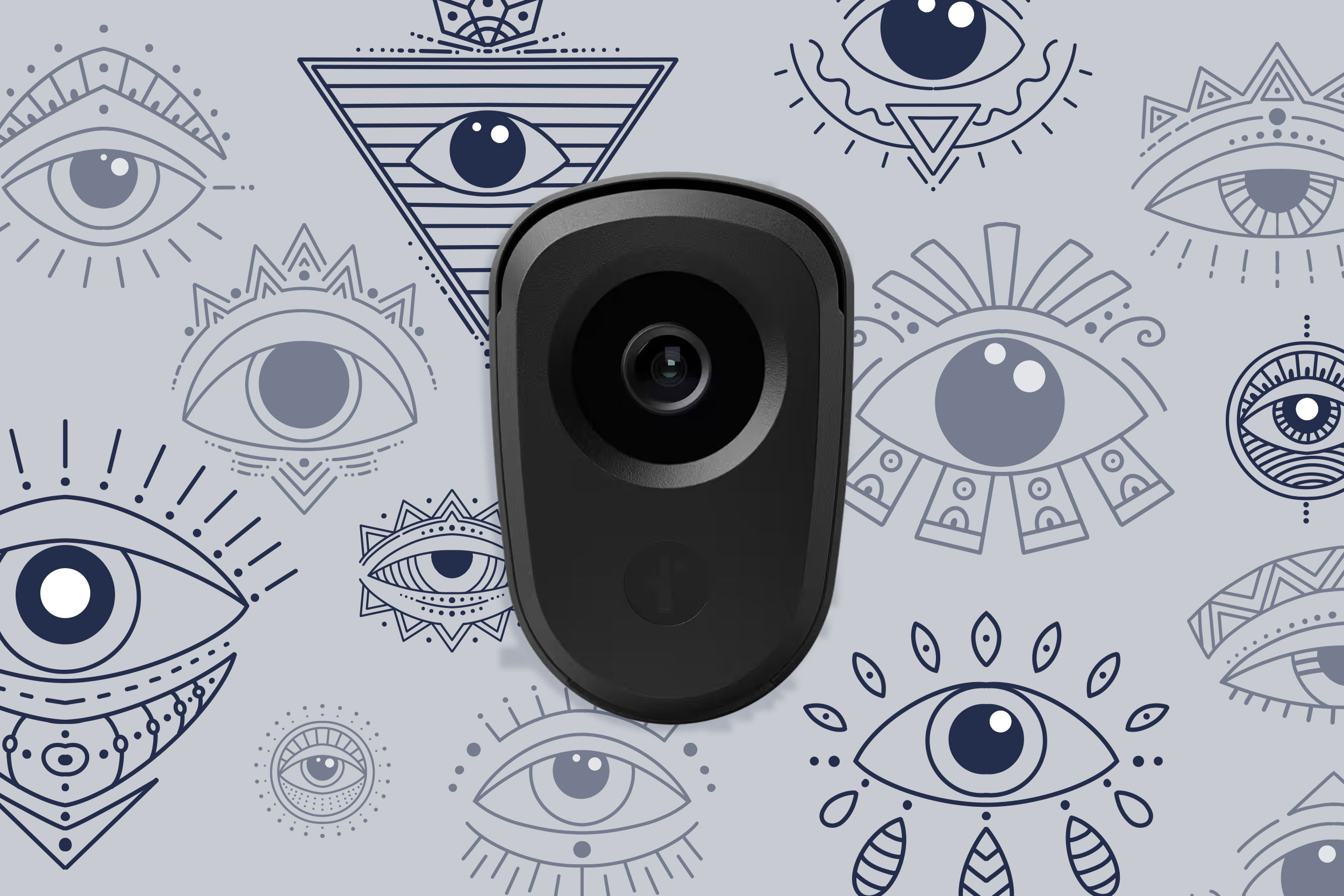
Amidst increasing deployment of automatic license plate readers nationwide, questions about privacy and surveillance are surfacing. The city of Charlottesville recently ended its agreement with a provider after a year-long trial involving ten devices. Similarly, over 20 localities in Virginia have opted out of using Flock Safety cameras since July. Proponents highlight their utility in law enforcement, while detractors worry about inadequate privacy safeguards.
Daniel Graham, a cybersecurity expert and associate professor at the University of Virginia School of Data Science, delves into the workings of license plate readers. As the author of “Ethical Hacking,” he brings insight into what these devices do, the data they gather, and the associated security concerns.
Privacy Concerns with License Plate Readers
Flock cameras increase privacy challenges due to their interconnected nature. They can share data across locations, allowing for the tracking of movement patterns. This centralized data collection means anyone with access to the database can retrieve information without needing a warrant, posing significant privacy risks.
Data Transmission Process
These cameras are equipped to locally process vehicle details such as license plates before securely transmitting the data to a central database, which is then accessible for queries. Unlike this system, cellphones require warrants for accessing historical location data, as established by the Supreme Court in Carpenter v. United States.
Current Safeguards
Flock cameras lack the same protective measures in place for cellphone data. Implementing similar safeguards, requiring a warrant and due process, could help balance surveillance benefits with privacy concerns, potentially reducing public opposition.
Confidence in Data Handling
Mass surveillance systems vary in the comfort level they provide. For example, Google allows users to delete or retrieve their search data. Offering similar options for Flock system data could build trust among users, ensuring the data is used appropriately.
Misuse of Flock Systems
Misuse often occurs when access configurations are not properly set. If protections are disabled, individuals might gain excessive access, querying information multiple times or even across multiple locations. Proper configuration management is essential to prevent such breaches.
Read More Here










Comments are closed.