
While the sun has long been seen as the main driver of our daily rhythms, innovative research from Carnegie Mellon University brings the spotlight to the gut as a critical timekeeper of the human body. This discovery opens a new chapter in understanding how our internal clocks are guided by more than just sunlight.
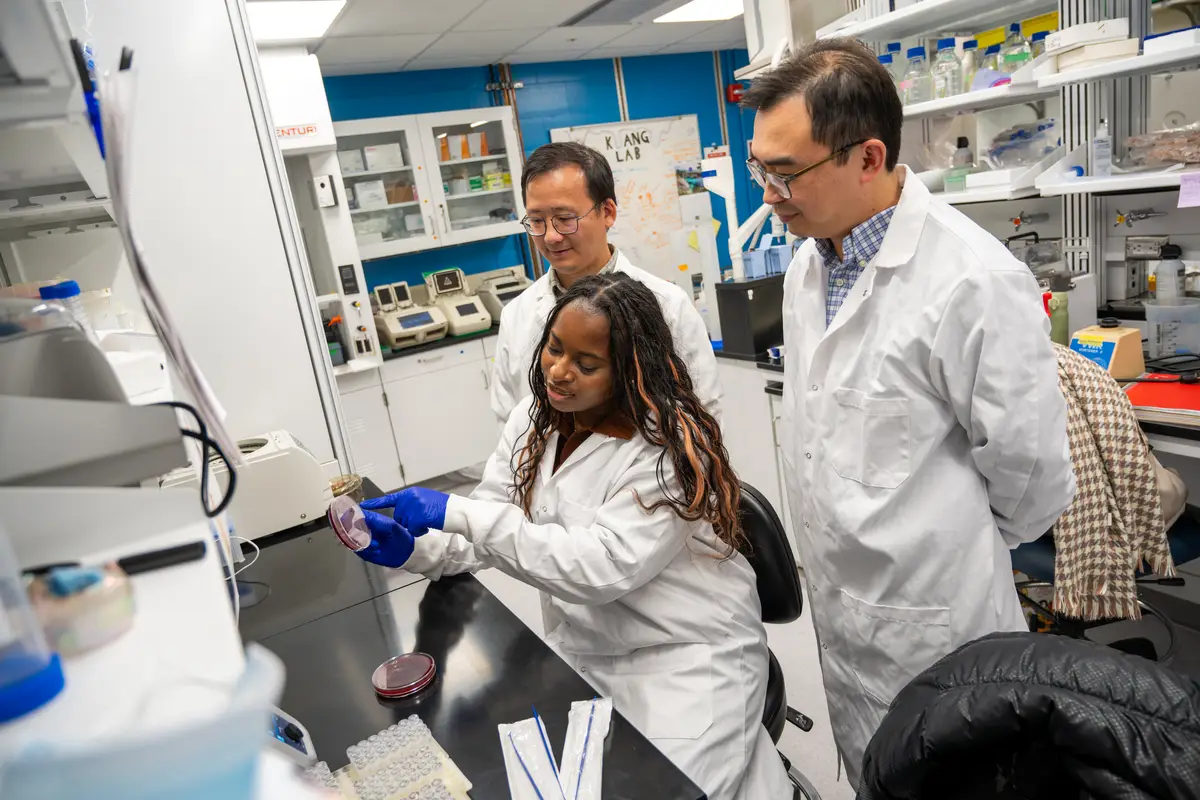
A groundbreaking study led by Zheng Kuang, Eberly Family Associate Professor in the Department of Biological Sciences, has unveiled that gut bacteria play a crucial role in synchronizing bodily functions with meal times. By sending signals to intestinal cells, these bacteria help optimize nutrient absorption, linking the microbiome with circadian rhythms and metabolism.
“These bacteria don’t have access to light,” Kuang explained. “Instead, they use food as a signal to tell time. When we eat, they produce molecules that communicate with our intestinal cells and help coordinate nutrient absorption.”
A Microbial Timekeeper
Research has pinpointed a specific bacterial strain that metabolizes phytate, a compound found in nuts, seeds, and grains. As these bacteria break down phytate, they release molecules that activate a protein in the gut, which in turn triggers genes responsible for nutrient absorption.
The bacteria signal the presence of food, prompting the body to maximize nutrient uptake.
“These bacteria evolved alongside humans over millions of years,” Kuang noted. “When food was available, it was beneficial to absorb as many nutrients as possible.”
An Ancient Advantage in Modern Times
The research provides fresh insight into contemporary issues like obesity. Through mouse models, it was observed that bacteria aiding this nutrient-absorbing pathway also encouraged fat storage when high-calorie diets were consumed. This mechanism, once essential for survival during food scarcity, now potentially contributes to metabolic disorders.
“In the past, this relationship helped us grow and survive,” Kuang commented. “Today, we live in a different environment with constant access to calorie-dense foods. A system that was once beneficial may now contribute to metabolic problems.”
To explore this further, researchers examined how these bacteria affect animals on nutrient-poor diets, finding that they enhance growth by extracting more nutrients from limited food supplies.
Future Possibilities
Kuang envisions that harnessing these bacteria could aid in tackling malnutrition. These bacteria might be less prevalent in undernourished children, suggesting that increasing their levels could improve nutrition and growth in populations facing food insecurity.
The potential applications extend to agriculture as well, where microbiome-focused strategies might boost livestock growth.
Though practical applications are still years away, the study underscores that biological clocks are influenced by more than just sunlight.
“The alignment between when we eat and when our bodies expect food appears to be very important,” Kuang stated. “Our work suggests that maintaining consistent eating patterns may help support a healthy relationship between the microbiome and the body.”
Read More Here







Comments are closed.