
A common weedkiller found on farm fields, golf courses, and neighborhood lawns is quietly flowing into rivers and streams across the United States — and three environmental groups say the federal government has sat on its hands long enough. A new lawsuit is demanding the EPA finally act on a problem it has officially acknowledged for decades.
The Center for Biological Diversity, Pesticide Action & Agroecology Network, and Center for Environmental Health filed suit on October 14 in U.S. District Court for the Northern District of California. Their target: the Environmental Protection Agency’s long-standing failure to finalize water quality protections for atrazine, one of the most widely used pesticides in the country.
What Is Atrazine and Where Is It Showing Up?
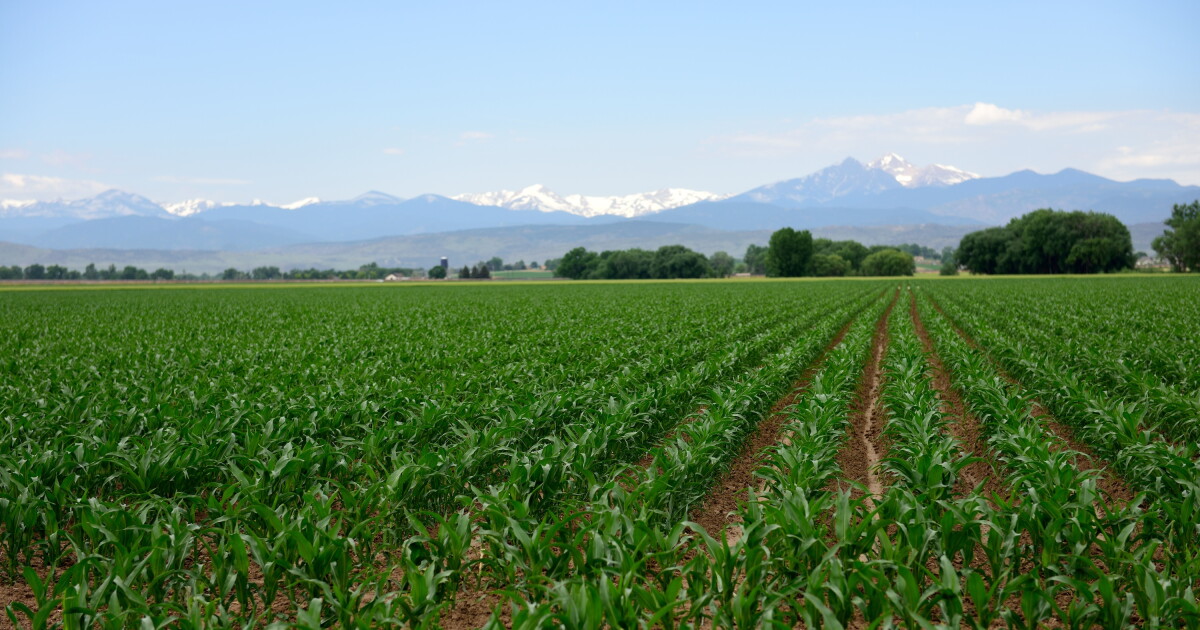
Atrazine is a herbicide applied heavily to corn and sorghum crops to control weeds. Its use is widespread across American agriculture, particularly in the Midwest. But the chemical doesn’t stay put. According to a recent report from the Center for Biological Diversity, atrazine contaminates roughly 25% of river miles in the continental United States at levels the EPA itself considers harmful to aquatic life.
Nathan Donley, the center’s environmental health science director, put it bluntly:
“It’s a problem chemical. It goes where the water is. There’s basically no way to keep it out of the water.”
While contamination is heaviest in the Midwest, affected watersheds reach into eastern Colorado and New Mexico. Beyond farm fields, Donley noted that atrazine can also be applied to residential lawns, golf courses, and athletic fields throughout the West — though consistent data on that use remains limited.
What the Lawsuit Argues
At the heart of the legal challenge is a simple timeline: the EPA began developing Clean Water Act water quality criteria for atrazine back in 1999. More than two decades later, those criteria have never been finalized. Without them, states lack a clear federal benchmark for limiting atrazine contamination in their waterways.
The groups argue the agency cannot plead ignorance. As Donley stated,
“We’ve got a problem in this country. [The] EPA actually acknowledges that we have a problem. The data on rivers and streams contaminating the U.S. is their data.”
The EPA has not filed a formal response to the lawsuit and declined to comment on the pending litigation. The agency is separately weighing whether to reapprove atrazine under federal pesticide law, but environmental groups contend that the proposed protections under that process would still leave many waterways at unsafe contamination levels.
You can read the full 38-page complaint here.
Health and Environmental Concerns
Scientific research has linked atrazine exposure to harmful effects on aquatic plants and wildlife. The chemical has also raised concerns about its presence in drinking water supplies and its broader impacts on human health.
Atrazine is banned in more than 60 countries, according to the Center for Biological Diversity. Donley argued the U.S. should reconsider its continued use in light of that global trend:
“We’re falling behind. And other countries are cleaning up their messes while we’re still making them here in our backyard, unfortunately.”
The lawsuit draws attention to a broader debate over how the U.S. regulates agricultural and farming chemicals, and whether existing federal law is being enforced to protect the waterways Americans depend on every day. Reporting on this story was produced by the Mountain West News Bureau, a collaboration of public radio stations across the region.









Comments are closed.