
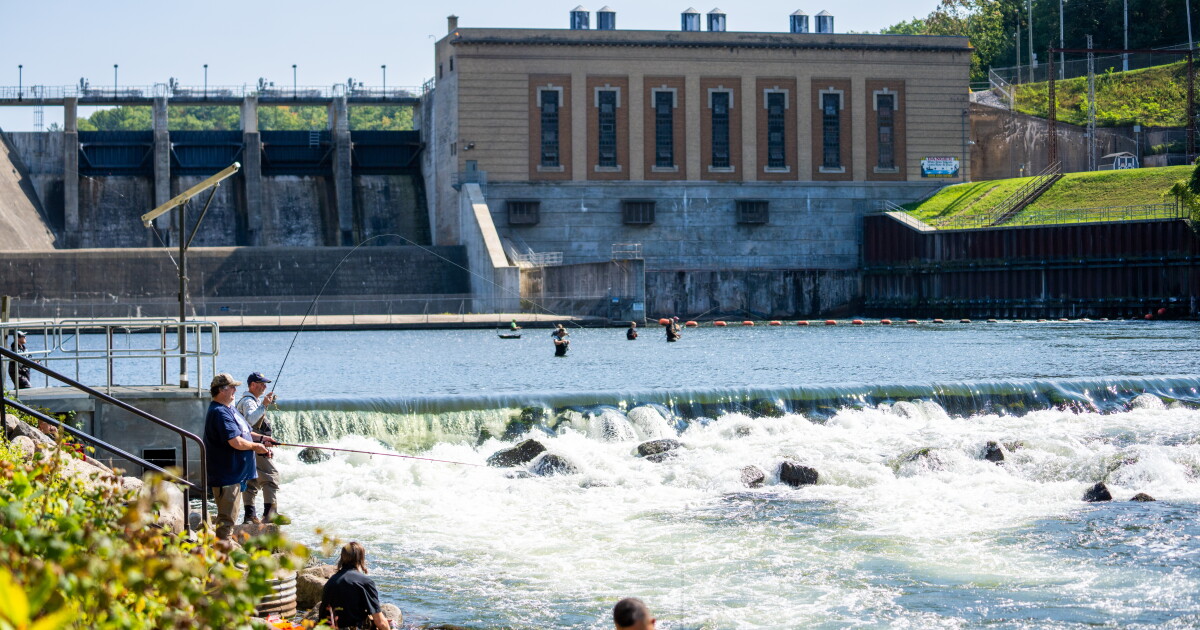
A fight over who controls Michigan’s aging hydroelectric dams — and who foots the bill if something goes wrong — has reached a new flashpoint. Michigan Attorney General Dana Nessel is now calling on state regulators to block a proposed deal that would transfer 13 publicly-tied dams to a private company, warning the arrangement could put Michigan residents at serious financial and physical risk.
At the center of the dispute is Consumers Energy’s plan to sell its fleet of aging hydroelectric dams to private company Confluence Hydro for just $1 each. The sale, which covers dams along several Michigan rivers — including the Hodenpyl and Tippy dams on the Manistee River in northern Michigan — requires approval from the Michigan Public Service Commission (MPSC). Consumers Energy signed the purchase agreement last year, arguing the deal is the most cost-effective option for ratepayers while keeping the dams and their surrounding reservoirs intact for local communities.
But Nessel and allied environmental groups say the terms of the deal are dangerously flawed. After negotiations this month failed to produce an agreement, Nessel told Interlochen Public Radio that further talks appear futile.
“The conversations are going nowhere. Consumers has basically said what we often hear from the utilities: My way or the highway, and their way could be very, very dangerous for the people of this state.”
Among the changes Nessel’s office proposed was requiring Confluence Hydro’s parent company, Hull Street Energy, to be held liable for all costs tied to operation, maintenance, and any future decommissioning — whether carried out by Hull Street or a subsequent owner. Without those safeguards, Nessel argues taxpayers could be left holding the bag if a dam fails.
“There is no reason at all that this sale should go through and have the taxpayers at the end of the day potentially have to pick up the tab in the event that something goes wrong,”
she said.
Consumers Energy pushed back sharply. Spokesperson Brian Wheeler said Nessel
“is deliberately seeking to disrupt this process,”
and urged her to return to the negotiating table rather than make public statements.
“If she wants to focus on protecting Michigan customers and seeking a positive outcome for communities who depend on these dams, she should focus on negotiating in good faith instead of chasing headlines,”
Wheeler said.
The company also maintains that the sale is the best available option, since the alternative would involve charging ratepayers billions of dollars to repair or demolish the unprofitable dams.
“Consumers Energy and Confluence Hydro have gone to bat for our customers and the communities we serve, and we remain committed to collaborating with stakeholders in this case to address their concerns and provide the best outcome for Michigan,”
Wheeler added.
The MPSC had originally been set to make a decision by September 10, but Consumers Energy asked to extend that deadline, citing a possible path to a deal. However, groups opposing the sale said after several attempts that a settlement is out of reach because the two sides “remain far apart on fundamental issues.”
Nessel initially offered conditional support for the deal but reversed course this summer after an administrative law judge recommended the MPSC reject what the judge called the “highly problematic” transaction.
A Broader Warning About Private Infrastructure
The dam sale debate doesn’t exist in isolation. This past spring, flooding across Michigan pushed numerous dams to dangerous levels. One of the most troubling situations involved the Cheboygan Dam, where a split between state and private ownership complicated emergency response efforts.
Those events helped accelerate bipartisan legislation targeting dam safety reform. The bill, which would increase state oversight, expand inspections, and establish a dedicated dam safety fund, has inched closer to becoming law after clearing the Michigan Legislature this month. It now awaits Gov. Gretchen Whitmer’s signature.
For Nessel, the Consumers Energy sale reflects a troubling pattern of moving critical public infrastructure into private hands.
“The more infrastructure that can be actually owned by the government, the better off,”
she said.
“The only responsibility will be to keep people safe and to keep that infrastructure maintained, and not just how much money you can make off of it.”
The Michigan Public Service Commission will ultimately decide whether the sale moves forward. This story was reported through a partnership between WCMU Public Media and Grist, a nonprofit environmental media organization. For more coverage on dam repairs and Michigan’s environment, visit WCMU Highlights.









Comments are closed.