
New Documentary Explores Bipolar Disorder Through Music and Film
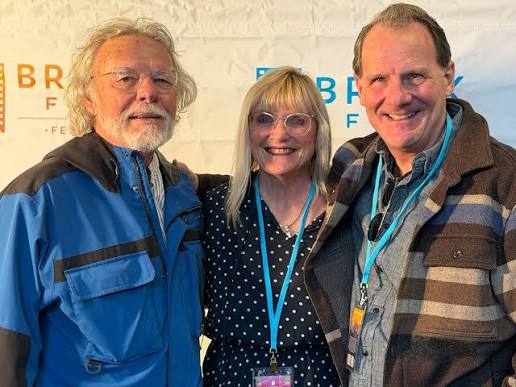
The Breckenridge Film Festival in Colorado recently featured a compelling new documentary titled “Making UNQUIET”. Directed by Michelle Bauer Carpenter, the executive director of the School of Communication, the film delves into the intricate emotional world of bipolar disorder. This insightful documentary is available on PBS, coinciding with International Mental Health Day on October 10th.
Understanding “Making UNQUIET”
The 30-minute documentary “Making UNQUIET” centers on the creation of a musical composition by Shelby Rassler. This piece seeks to reflect the emotional spectrum associated with bipolar disorder, highlighting the average 13-year gap in understanding and diagnosing the condition. Through the film, audiences are invited into a unique collaborative effort between Rassler and acclaimed jazz drummer Joseph Farnsworth. Their work translates the highs and lows of bipolar disorder into a musical experience that provides an understanding beyond words.
Carpenter’s film combines interviews, original music, and visual storytelling to bridge the gap in understanding bipolar disorder. It offers a deeply human experience, shaped by both struggle and resilience, as viewers witness the creative process behind the music and the stories of those affected by the disorder.
Motivation Behind the Documentary
Michelle Bauer Carpenter is driven by a commitment to storytelling that fosters understanding of personal and social challenges. She focuses on narratives that illuminate complex issues such as identity, resilience, and healing. Carpenter’s work aims to elevate voices and experiences often overlooked, exploring how individuals navigate systemic injustices, health challenges, and personal transformations. Her films blend research with lived experiences, creating a space where personal and political narratives intersect.
Highlights of the Filmmaking Process
Carpenter expresses a particular fondness for the interviewing and editing phases of filmmaking. She notes, “When you prepare for a documentary interview, you shape your questions around the story you hope to tell and you think you know the answers people might give. I love being surprised when the story shifts from what you thought it would be.” The editing process involves structuring audio transcriptions based on the narrative before addressing the visual elements, a process Carpenter finds deeply engaging and immersive.
Read More Here



Comments are closed.