
In Tuba City, a small town nestled within the Navajo Nation, community spirit thrives, especially when there’s something to celebrate. This enthusiasm is now being harnessed to transform STEM education opportunities for local schoolchildren through a unique initiative.
“Members of the Navajo Nation love celebrating,” remarked Anne Hamlin, a research associate at Northern Arizona University’s Center for STEM Teaching and Learning (CSTL). “They turn out to basketball games, parades, flea markets, and fairs in droves. I once tabled at the Navajo Nation Fair and interacted with 3,000 people.”
With a $50,000 grant from the National Science Foundation (NSF), Hamlin along with her colleague Sean Ryan, are spearheading a project named Intergenerational, Grounded, and Networked Innovation for Technology Education in STEM, or IGNITE-STEM. The initiative aims to create a STEM learning model that resonates with Tuba City’s community values while paving pathways to careers in science, technology, engineering, and math.
The IGNITE-STEM project, falling under NSF’s FINDERS Foundry program, begins this fall with community planning workshops on October 3 and October 17. These workshops invite locals to share their visions for learning and celebration opportunities they wish to see.
Unlike traditional educational programs, this initiative emphasizes community-driven development. “We want what we do here to come from the community, not the university,” Hamlin explained. “We’re asking families, students, and educators what they want to celebrate, how they want to use AI, how they want community members involved, and even what research questions they think are most important.” The goal is to involve the community in shaping both the program and the research.
The project emerged from a need identified by parents within the Tuba City Unified School District, where STEM and AI learning opportunities are limited due to the town’s rural setting and resource availability. Educator Marisa Soto-Harrison expressed interest in teaching students to responsibly and critically engage with emerging AI technologies.
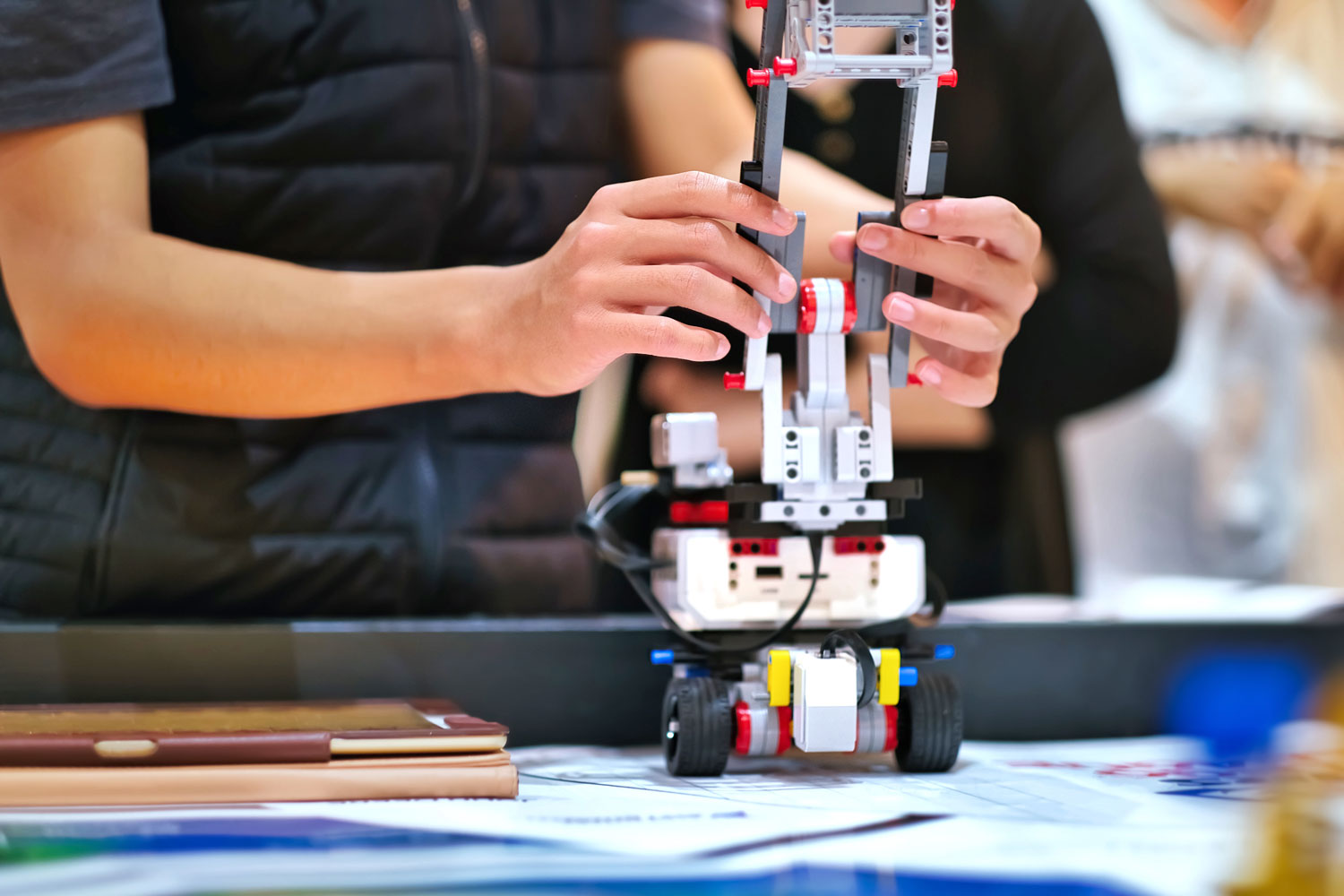
Building on existing NASA-funded STEM programs, students already engage in national STEM and robotics challenges. IGNITE-STEM seeks to elevate the visibility and community impact of these experiences while fostering AI literacy and critical-thinking skills among students.
Ryan emphasized the broader impact of the project, stating, “The real inspiration is to spark curiosity and provide opportunities for students to access learning experiences and resources they may not otherwise have. We want students to see not only that STEM careers exist, but that people who look like them can succeed in those roles. This work has the potential to strengthen the community and create new opportunities for future generations.”
Students will play an integral role throughout the project’s planning phase. They will be compensated for their participation in workshops, where they’ll help determine research questions and explore future research activities.
Should a subsequent NSF proposal be funded, the team could receive an additional $300,000 to implement the community-developed STEM education model by the 2027-28 school year. The insights gained could benefit not just Tuba City but also other rural and economically challenged communities nationwide.
The project aligns with NSF’s mission to expand workforce development, encouraging more young people to consider STEM fields as viable career paths.
“Students, families, and educators all have valuable knowledge to contribute,” Hamlin noted. “By building something together, we hope to create STEM experiences that are meaningful, sustainable, and truly rooted in the community’s vision for its future.”
Key collaborators include six educators from the Tuba City Unified School District, six Tuba City students, NAU researcher Nena Bloom, AI literacy expert and NAU Ph.D. student Nesma Nasr, and Tuba City parent Janeen Phillips, ensuring a community-centered approach.
Read More Here



Comments are closed.