
Capybaras, known for their charming appearance and semi-aquatic lifestyle, have intrigued both zoo visitors and scientists alike. Typically found in the wetlands of South America, these creatures are not associated with arid regions. This makes the discovery of a fossilized capybara tooth in Chile’s Atacama Desert, a region known for its extreme dryness, a remarkable find.
According to the study, published in Nature’s Scientific Reports, the tooth dates back nearly 9 million years. This places it in a period long before the Atacama Desert was recognized as one of the planet’s oldest dry areas, which scientists estimated to have been dry for about 40 million years.
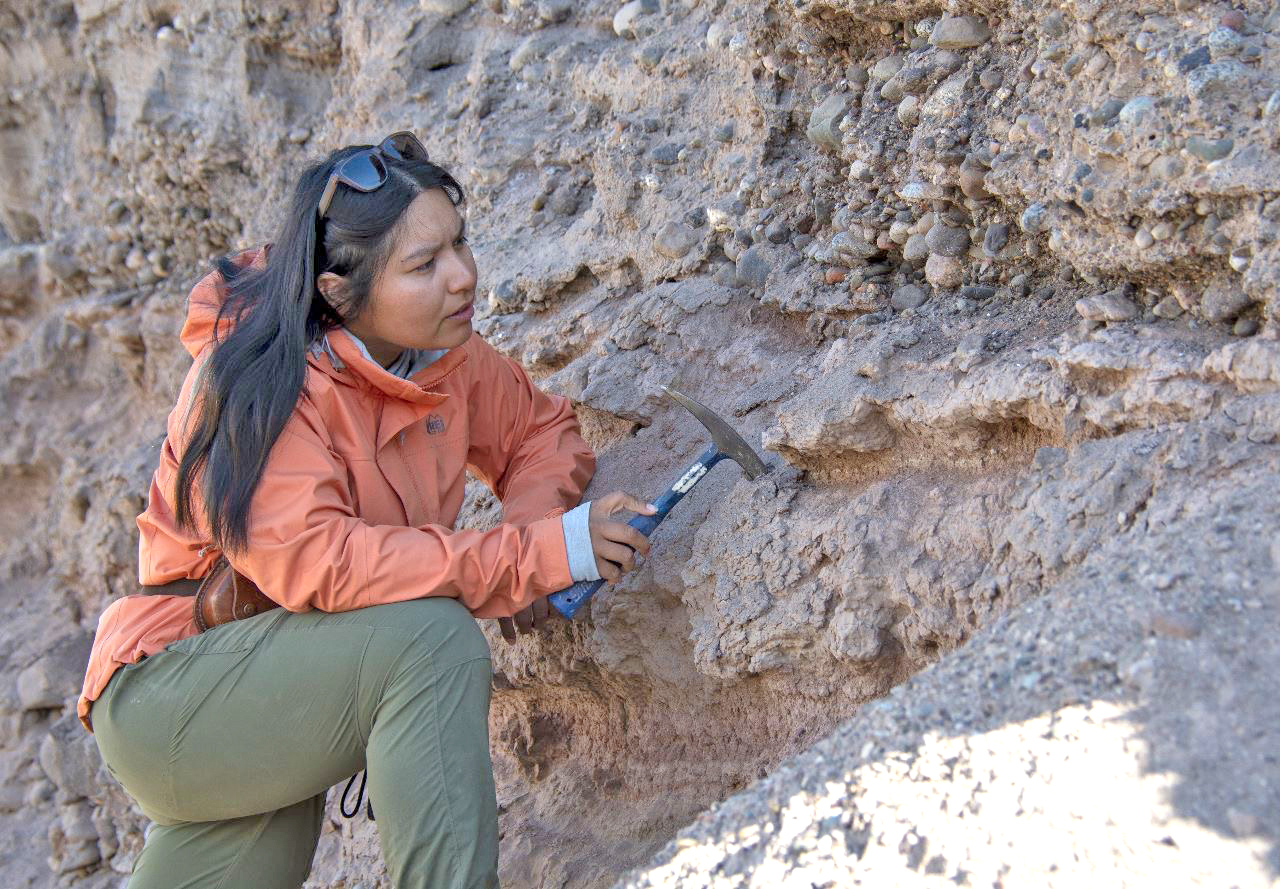
The fossil was unearthed from a sediment layer at El Morro, a part of the Bahía Inglesa Formation, which is renowned for its abundant marine fossils, including the famous “Whale Hill.” The presence of a capybara tooth amidst these marine sediments is an anomaly, as noted by Priscilla Martinez, the lead author and a doctoral student at the University of Arizona’s Department of Geosciences. Martinez described the find as “freakish,” given the desert’s current climate.
Capybaras, the largest rodents in existence, are usually found in the wetlands east of the Andes, thriving in areas rich in surface water and vegetation. Their presence in coastal Chile, where they do not exist today, raises questions about historical geography and climate of the region.
Barbara Carrapa, a co-author and professor of Geosciences, expressed surprise at the discovery, stating, “They’re not supposed to be there. So, we immediately asked ourselves, ‘Why were they there? Where did they come from?'”
Geological assessments suggest the Andes formed a significant barrier long before capybaras appeared, potentially isolating the Atacama from the eastern lowlands where these rodents are usually found. Martinez posits that the capybaras may have navigated through low-elevation wetlands that once connected their native habitats with coastal areas, moving counterclockwise around northern South America.
Supporting this theory, the research team found evidence of conditions conducive to capybara habitation, such as fossils of freshwater fishes and crocodiles. They also uncovered phytoliths, tiny silica formations within plant cells, indicating the presence of palm trees and flowering plants in the area—flora that would not survive in today’s Atacama.
Mark Clementz, a study co-author and head of the Department of Geology and Geophysics at the University of Wyoming, noted, “All this supports the idea that there was enough of an ecological community to support capybara populations long term.”
The study, which involved collaboration with local experts and paleontologists like Carolina Gutstein, underscores the importance of reevaluating established scientific assumptions. As Clementz pointed out, “Finding this capybara – which I think everyone can agree is not a desert animal by any means – at that location is going to challenge many of the ideas about the Atacama’s history.”
Martinez emphasized the broader implications of the findings, particularly in understanding deserts’ sensitivity to climate changes. She remarked, “The more we understand deserts, which are extremely sensitive to changes in climate, including shifts in monsoon intensity from year to year, the better we can predict how they fare long term.”
Read More Here






Comments are closed.