
Innovative Approach Boosts Immune Response Against Lung Cancer
A cutting-edge approach developed by researchers at the University of Arizona R. Ken Coit College of Pharmacy is making strides in lung cancer treatment by enhancing the body’s immune response. By incorporating a chemotherapy drug and an RNA molecule into a tiny lipid carrier, this novel strategy has shown promise in slowing tumor growth and improving the effectiveness of immunotherapy.
Enhancing Immunogenic Cell Death
In a study published in Nature Communications, the research team introduced a platform that combines the chemotherapy drug paclitaxel with an siRNA molecule. This lipid-based delivery system targets lung tumor cells more effectively, promoting a process known as immunogenic cell death (ICD). ICD is increasingly recognized as a promising mechanism for activating the immune system to identify and destroy cancer cells.
Research Led by Jianqin Lu
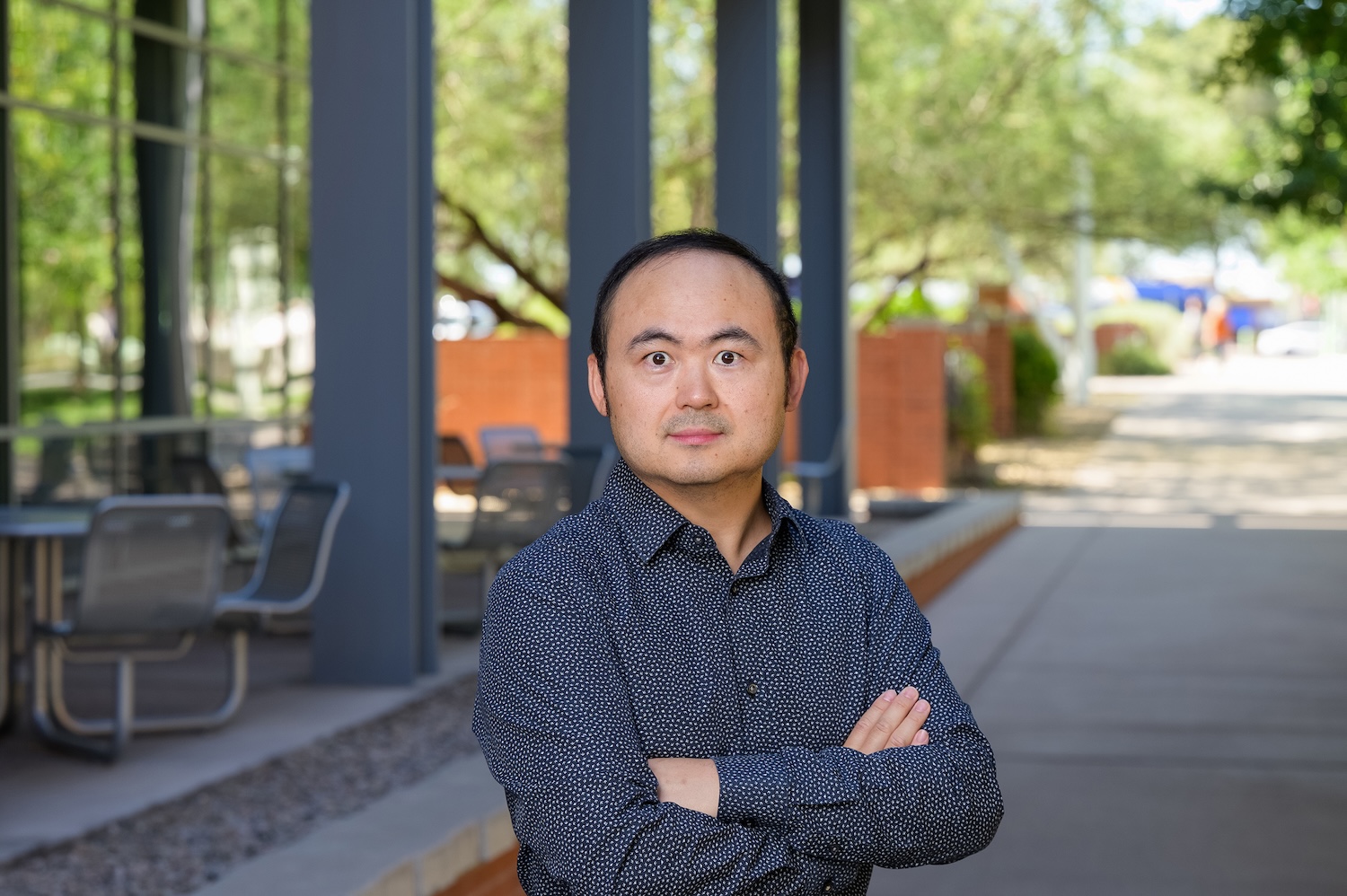
Jianqin Lu, an associate professor at the University of Arizona and a member of the Comprehensive Cancer Center, spearheaded the research. According to Lu, “Despite the significant potential of ICD-enabled immunotherapy, its therapeutic applications remain underused.” By pairing paclitaxel with a sphingolipid to form a nanovesicle, the team enhanced drug delivery to tumor sites.
The Mechanism of Tumor Recognition
As paclitaxel induces cancer cell death, it triggers the protein calreticulin (CRT) to surface on dying cells, acting as an “eat me” signal for immune cells. However, some tumors evade this process using the molecule STC1, which inhibits CRT. To mitigate this, the research team utilized the siRNA molecule siSTC1 to suppress STC1 gene activity alongside paclitaxel administration.
Testing and Results
The strategy was tested on Lewis lung cancer cells with high STC1 expression, and MC38 colon cancer cells with lower STC1 expression. Results indicated that the combination was more effective against the lung cancer cells. “If you trigger an ICD immune response, there should be no tumor development or delayed tumor development,” Lu explained.
Impact on Cancer Treatment
Using mouse models, the combination of SCT1 siRNA and paclitaxel eradicated up to four out of five tumors, depending on the cancer type. This approach also enhanced tumor sensitivity to PD-1 blockade therapy, a form of cancer immunotherapy, thus altering the tumor microenvironment. “The paclitaxel-siSTC1 combination potentiates the PD-1 blockade therapy, and the cancer immunotherapy,” Lu emphasized.
Future Implications
This platform holds potential for treating cancers with high STC1 expression, such as non-small cell lung cancer, certain colon cancers, and others. The research team aims to collaborate with clinical oncologists for a phase 1 clinical trial in the future.
Contributors to this research include Wenpan Li, Zhiren Wang, Mengwen Li, Yanhao Jiang, Shuang Wu, Leyla Cordova, and MinHyeok Kim, with funding support from various grants and institutions.
Read More Here






Comments are closed.