
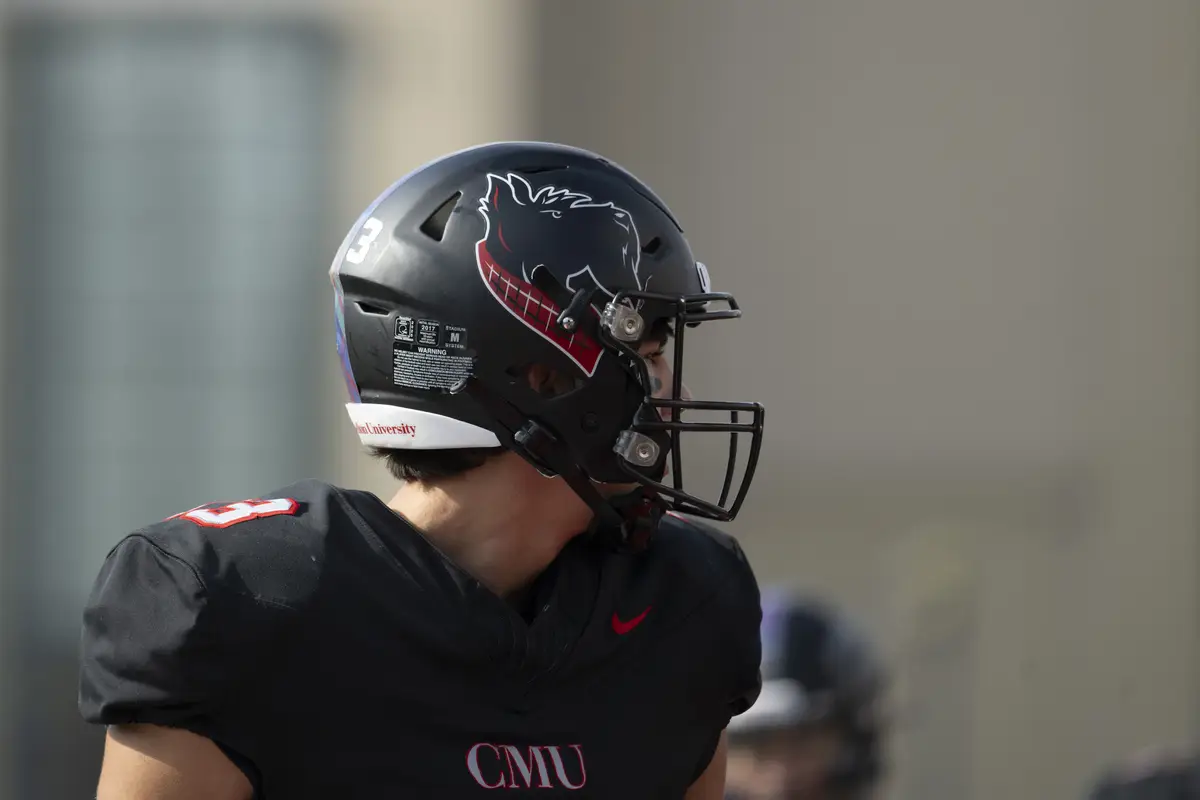
Innovative research at Carnegie Mellon University is transforming the understanding of football-related brain impacts. Led by neuroscientist Brad Mahon, the study leverages real-game data from the university’s football players to explore how routine field collisions affect the brain.
While Mahon works on predictive models and future-oriented solutions like digital twins, the players contribute invaluable insights from their on-field experiences. This collaboration aims to enhance the safety and intelligence of football systems, ensuring the sport remains dynamic yet secure.
For the love of the game
Danny Moynihan, a former tight end who graduated in May, joined the study due to both his passion for football and family ties. His sibling rivalry with his brother Michael culminated in a memorable match during CMU’s final home game last season.

“It was really fun to play that game, especially against someone I’ve competed with my whole life. Our family’s group chat was on fire with all our trash talk before kickoff,” he said, laughing at the memory.
Concerned about the hits he has endured, his mother found solace in Moynihan’s participation in the research. By wearing sensor-equipped mouth guards during practices and games, Moynihan contributes real-time impact data, aiding researchers in predicting when players need rest.
“It’s a small contribution with big potential, and for me, it was a way to give back to the sport I love,” he said.

Alumnus Avery Campbell, a former defensive end and statistics major, also embraced the study. His interest in merging academic pursuits with football motivated his involvement.
“I’m fascinated with research and development. I wanted to help in any way I could, especially knowing it would benefit the football team,” he said.
Initially awkward, the mouth guard became a normal part of his routine. “Once I adjusted, I played with the same intensity and fire as always,” Campbell remarked.
His drive stems from a belief in player accountability. “I’m willing to do whatever it takes to make the game safer for players,” he said. “I love football because it teaches you how to survive — by trusting your family and holding yourself accountable. Every brother beside me is trusting me as much as I trust them, and that bond doesn’t end when the game does.”


Logan Armstrong, another defensive end, has seen the sport evolve since his early playing days. Improvements in helmet technology and the use of Guardian Caps in practice have made a noticeable difference.
“Helmets keep getting better, and now most teams wear Guardian Caps at practice,” he said. “There are a lot less opportunities to tackle at full speed, but it’s safer.”
Armstrong also values the Sunday-morning recovery sessions, which, while tedious, are beneficial. “It’s a hassle,” he admitted, “but it loosens you up and helps prevent injuries.”

Built on structure, driven by standards
The shift towards safer play is championed by Head Coach Ryan Larsen, who emphasizes both excellence and athlete well-being. Prospective recruits are introduced to a program that values high standards both academically and athletically.

Larsen tells recruits, “You come to Carnegie Mellon University to get one of the best educations in the country, if not the world. Why would you expect your football experience to be any different?”
His practice sessions are structured into four tempos to maximize skill development while minimizing collisions. Full-contact tackling is sparingly used and purposeful.
“It all starts with structure,” Larsen said. “You can prevent a lot of issues before they start if you have the right systems in place.”
Larsen’s early adoption of Guardian Caps and custom helmet fittings has also been credited with reducing injuries over the season.
“We’ve made significant strides in player protection during the time I’ve been here,” he said.

For Larsen, the commitment is deeply personal. Football has shaped many key relationships in his life, including his bond with his father. Now, he sees it as his duty to guide the next generation and ensure the sport’s vitality.
“I’m grateful to work alongside incredible student-athletes and to use football as a vehicle for their development,” he said. “Our game improves only when we take care of the players to the very best of our ability.”
Read More Here





Comments are closed.