
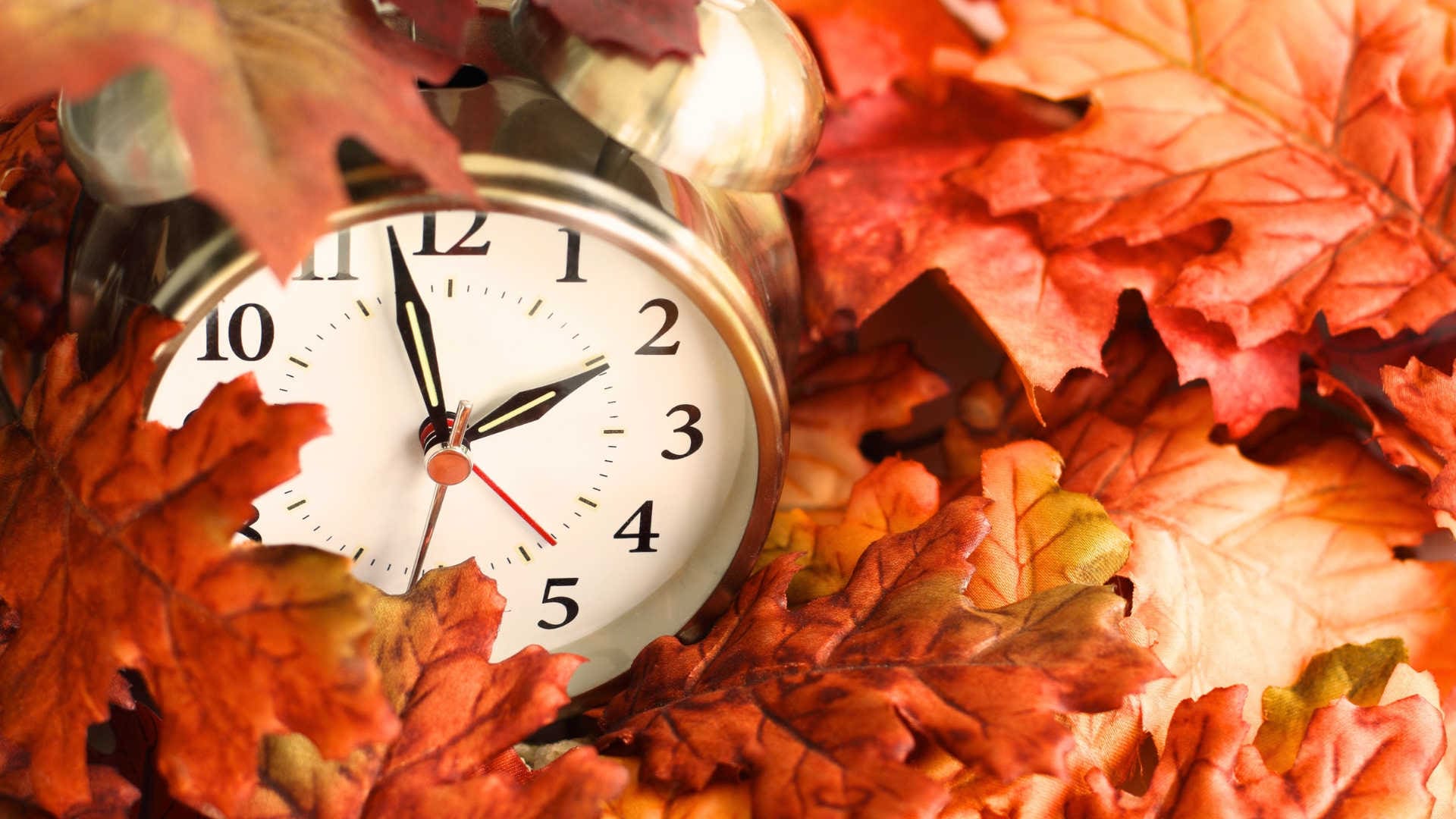
As the end of daylight saving time approaches, Wisconsin residents are reminded to prepare for more than just resetting their clocks. While the extra hour of sleep is a welcome change, it serves as an ideal opportunity to enhance safety measures and update emergency plans.
“Turning back the clocks is easy, but being prepared takes a little bit of planning,” stated Wisconsin Emergency Management Administrator Greg Engle. He encourages residents to utilize the additional hour to implement measures that can protect their families and loved ones.
On Sunday, Nov. 1, at 2 a.m., daylight saving time will conclude, and clocks will revert to standard time.
Functioning smoke and carbon monoxide detectors are crucial in alerting individuals to potential dangers, such as fires or harmful gas leaks. Here are some important steps to ensure their effectiveness:
- Conduct tests on all alarms within your residence.
- Annually replace the batteries in these alarms.
- Check the alarms’ manufacture date. Carbon monoxide detectors should be replaced every five to seven years, while smoke alarms need replacement every decade.
As heating systems become more active, precautions against home fires are essential. It is recommended to have furnaces and chimneys professionally inspected. Space heaters should be kept at least three feet away from any flammable materials. Additionally, if summer flooding affected your furnace or HVAC system, ensure it is inspected for possible equipment damage or mold growth.
This weekend also serves as a prime time to check your emergency kit for expired items or replacements needed for borrowed supplies. Reviewing and updating emergency plans with family members, especially children and older adults, is highly advisable.
About ReadyWisconsin
ReadyWisconsin, a public service initiative of Wisconsin Emergency Management, is part of the Wisconsin Department of Military Affairs. In conjunction with the U.S. Department of Homeland Security’s national Ready campaign, it aims to educate and empower Wisconsinites to prepare for and respond to emergencies, both natural and human-made. For more information on emergency preparedness, visit readywisconsin.wi.gov or follow ReadyWisconsin on Facebook, X, and Instagram for regular updates and tips.
Read More Here

Comments are closed.