Engage in History: An Interactive Homeschool Event at Bennett Place
On March 6, from 10 a.m. to noon, Bennett Place State Historic Site offers a unique educational opportunity for homeschool students. This special event will immerse attendees in North Carolina’s rich history through interactive activities and demonstrations. The program is designed to cater to homeschool groups and is organized by the dedicated staff and volunteers at Bennett Place, with additional contributions from other historic sites across the state.
Students aged 5 to 18 are welcome to join, although the majority of activities are tailored for those in grades 3 to 8. The program provides an affordable learning experience at $2 per student, while adults can attend free of charge. Advance registration is encouraged through a Google Form. Ticket purchases will be made on-site during the event.
Participation requires at least one adult per group, and larger groups of seven or more children should have additional adults accompanying them. Notably, homeschoolers are welcome to register individually and do not need to be part of a larger group.
About Bennett Place State Historic Site
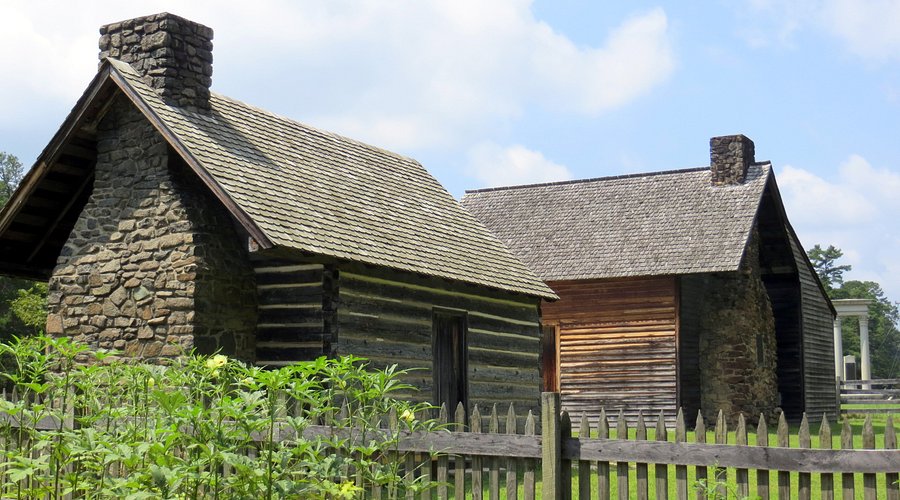
Bennett Place, once the farm of James and Nancy Bennett, holds significance as the site of the largest Confederate troop surrender during the American Civil War. In April 1865, Generals William T. Sherman and Joseph E. Johnston negotiated surrender terms here, marking a pivotal moment in history. Visitors today can explore the reconstructed farmhouse and learn about the life of a Southern farmer during the Civil War era. The historic site is located at 4409 Bennett Memorial Rd., Durham, NC 27705. For more details, contact 919-383-4345 or visit https://historicsites.nc.gov/all-sites/bennett-place.
About the North Carolina Department of Natural and Cultural Resources
The N.C. Department of Natural and Cultural Resources (DNCR) is committed to preserving and promoting North Carolina’s vibrant arts, culture, and history, as well as its remarkable natural landscapes. The department operates over 100 sites statewide, contributing to education, economic growth, public health, and community resilience. To learn more about DNCR’s initiatives, visit www.dncr.nc.gov.
Read More Here