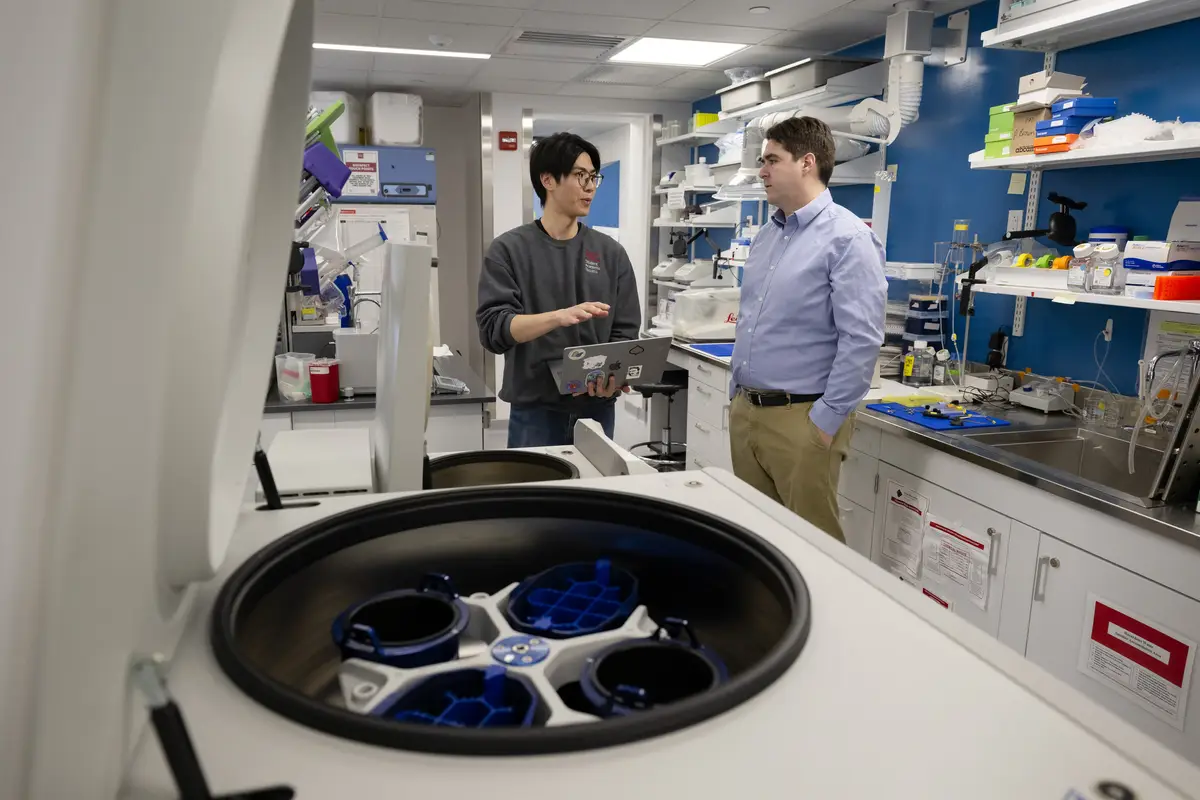
In an effort to decode the genetic mysteries behind bipolar disorder, researchers at Carnegie Mellon University are delving into the intricate dance of genes being switched “on” and “off.” Their work aims to pinpoint the genetic triggers that might lead to innovative treatments for this complex condition.
Associate Professor Andreas Pfenning and his team in the Neurogenomics Lab are at the forefront of this research, which is grounded in the field of epigenetics. This field examines how environmental factors can influence gene expression, potentially leading to new therapies with fewer side effects.
Groundbreaking Genetic Research
This research is part of the broader BRAIN Armamentarium initiative, backed by the National Institutes of Health. According to Pfenning, “We’re not doing this research in isolation. There’s an entire network of collaborative researchers across the country, working together to develop technologies and then to use those technologies to develop tools that target specific subtypes of neurons.”
The team’s focus is on understanding the genetically informed activity of brain cells and how varying gene expression levels in different cells can influence disorders such as bipolar disorder and Alzheimer’s disease.

Stephen Wu, a senior at Carnegie Mellon, has been involved in this project. He explains, “Different cells have different gene expression levels. Even in the same tissue, cells could have different levels of genes that lead to diseases like Alzheimer’s disease and bipolar disorder.”
Wu collaborated with Sarah Ross from the University of Pittsburgh, examining RNA sequencing data and chromatin structures to identify potential genetic contributors to bipolar disorder. This analysis aims to identify which specific cell type or group is responsible for the disorder.
As Wu explains, “In the hypothalamus, we found a specific cell population that is highly associated with bipolar disorder and is enriched in sets of genes that regulate calcium.” His research could pave the way for new gene therapies targeting these genetic pathways.
Fostering Undergraduate Research
The research is supported by Carnegie Mellon’s Summer Undergraduate Research Fellowship (SURF) program, which offers students the chance to immerse themselves in full-time research. Wu’s outstanding contributions earned him the Allen Newell Award for Excellence in Undergraduate Research.
Wu’s journey in the Neurogenomics Lab began in his junior year, providing him with the opportunity to apply theoretical knowledge to practical research. His mentor, Andreas Pfenning, commended Wu for his innovative approach and impressive results, which have pinpointed a cell population heavily linked to bipolar disorder.
A Tradition of Research Excellence
Carnegie Mellon has a rich tradition of undergraduate research, a legacy that Pfenning himself was a part of during his academic career. Under the mentorship of faculty members like Allison Barth and Russell Schwartz, Pfenning participated in the Small Undergraduate Research Grant and SURF programs.
Reflecting on his academic journey, Pfenning stated, “Research does a good job to prepare you for those different directions. Even if it’s not ultimately what you end up deciding to do, there are different ways to take that degree and training and have an impact.”
Read More Here